
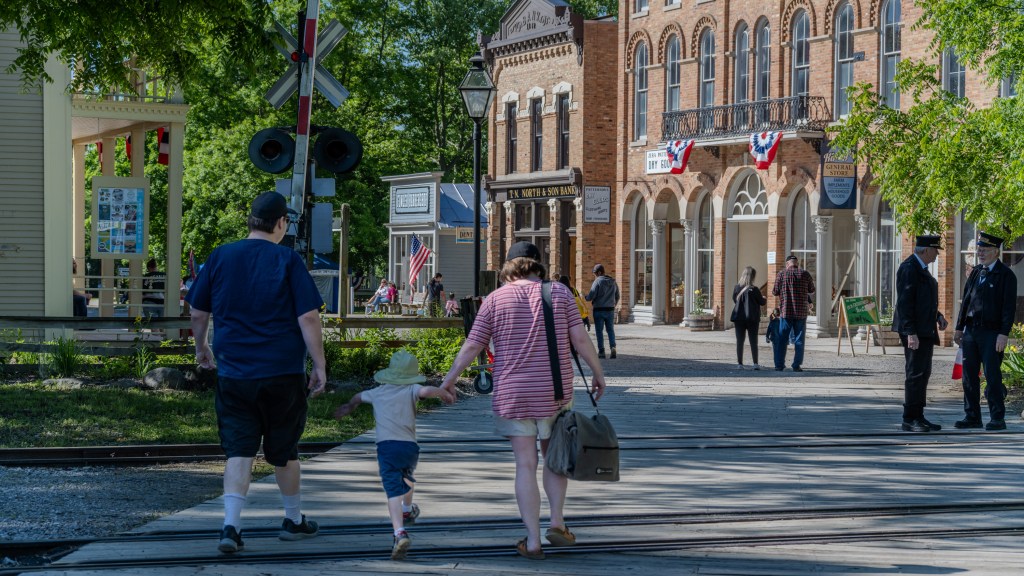
Recently, we came across an incredible memoir written by the late Homer Dowdy, one of the visionaries behind our county parks system, the largest in Michigan. Dowdy penned this memoir in 1981 as a gift to a friend and colleague, Ken Smithee, who was the first Director of the Genesee County Parks and Recreation Commission. This is a great time to look back, as we celebrate America’s 250th anniversary jointly with the 50-year anniversary of Crossroads Village and Huckleberry Railroad on August 29.
Fifty years ago, a remarkable vision became a reality on a large parcel of land in northeast Genesee County.
Crossroads opened as a historical village in 1976, just a few years after the creation of Mott Lake, as communities across the nation celebrated America’s Bicentennial. This was a project built around a simple yet ambitious vision: To preserve pieces of our local history and bring them together in a place where future generations could experience the stories of those who came before them.
In his memoir, Homer Dowdy recalled that several historic buildings had been preserved but were waiting for a larger purpose. The approaching Bicentennial provided the opportunity.
“The three silent sisters stood lonely in their meadow through too many summers and winters. Then someone saw the American Bicentennial approaching. The County Board of Commissioners designated Crossroads Village as the county’s Bicentennial project. They provided some funds for restoration. Private grants joined these funds. Citizens by the hundreds donated cash, artifacts and personal effort. What has to be one of the most popular projects in my recollection to be undertaken in this community opened with appropriate fanfare on July 4, 1976.”
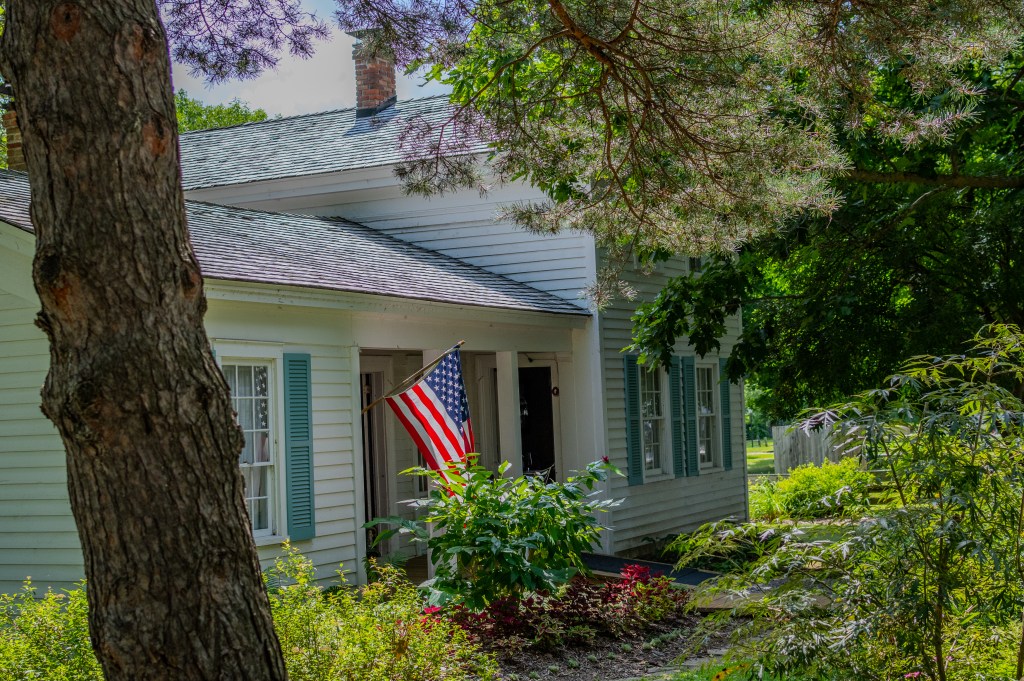
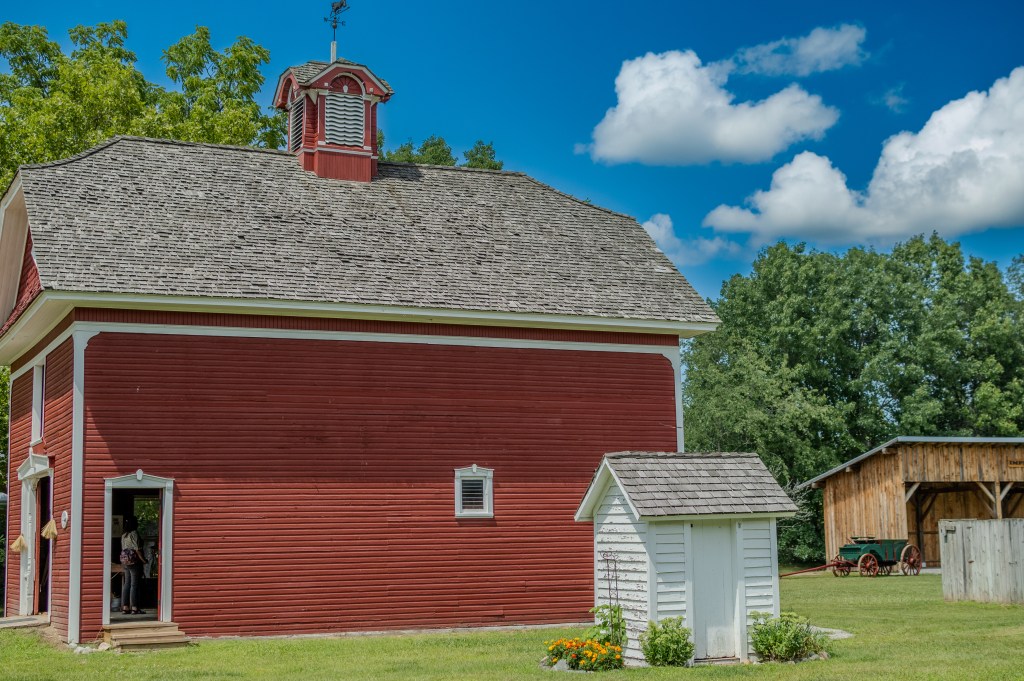
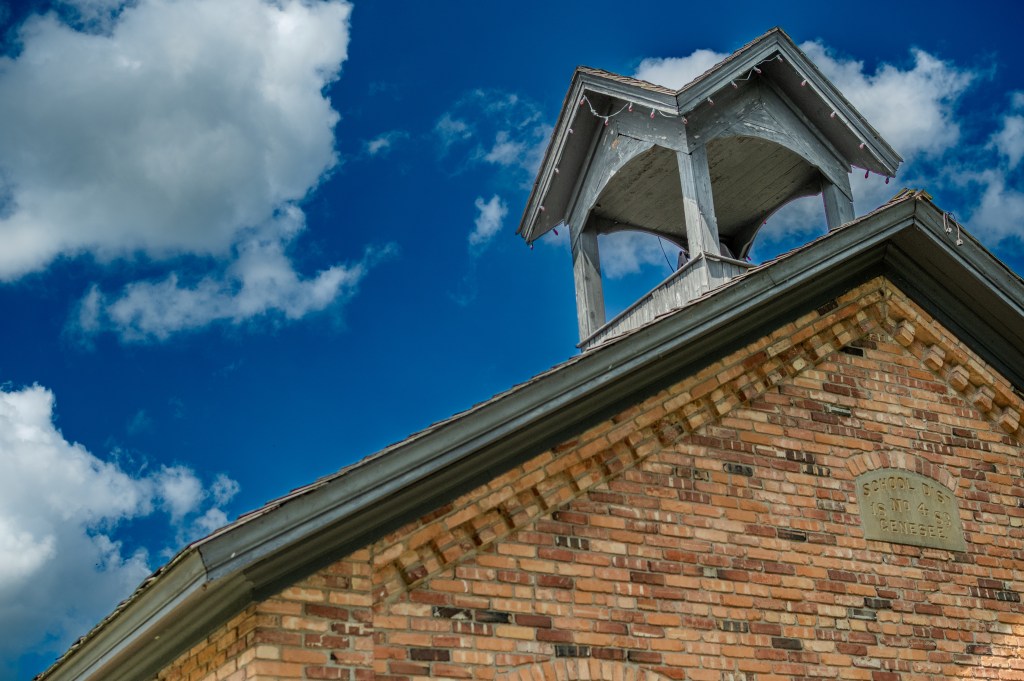
The “three silent sisters” were historic structures from the Flint area that were moved to what would become Crossroads Village, but left unused until the 1976 Bicentennial project gave them a new purpose.
That passage speaks to something that remains central to Crossroads Village 50 years later: It was a community project before public-private partnerships became en vogue across the country.
The county provided leadership; private organizations provided support; residents donated money, artifacts, and countless hours of work. Together, they created something intended not simply to preserve historic buildings, but to preserve the experiences, traditions, and stories those buildings represented.
Five years after Crossroads opened, Dowdy reflected on what he believed the Village could become. His words capture a vision that was on full display for the more than 10,000 visitors to the Village over the last two weekends.
“Crossroads Village, to me, is less a tourist magnet and more an expression of a community seeking its heritage and being appreciative that it has found an important bit of that heritage. If we build and carry on Crossroads Village for the good of ourselves — all of our people — the crowds from outside will just naturally come also.
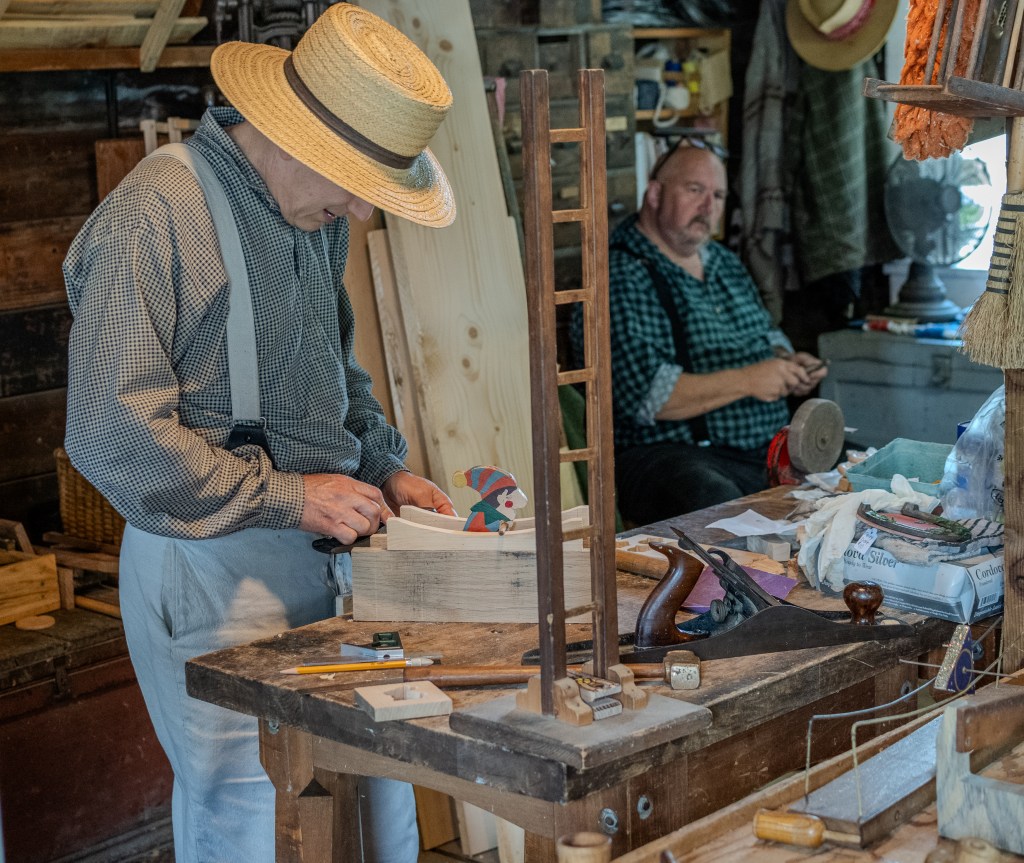
“Sleigh rides in winter, boat rides in summer, walking through the fallen leaves of autumn, soap making, bread baking, lumber cutting, sheep shearing, milking, barn-dancing, field threshing, dressmaking — all of them and more can teach us much about those who came before us, and even about ourselves.”
Perhaps Dowdy summarized the philosophy behind Crossroads Village best when he wrote that the Village should be viewed “not as old buildings, but as the drama of people who are living out the pulsating spirit of their forebears.”
That was the vision. It was a window into a bygone era that Dowdy believed should never be closed.
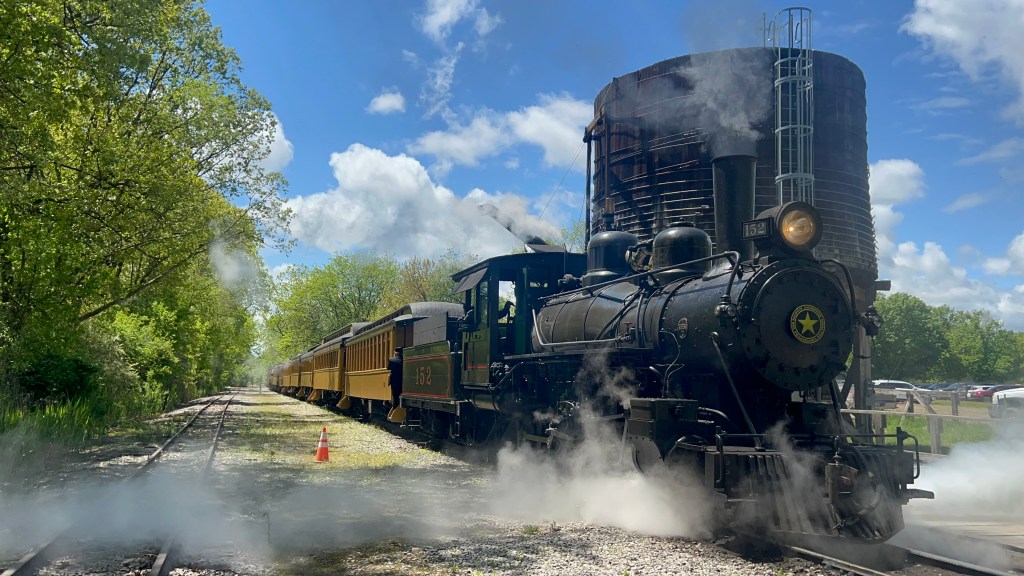
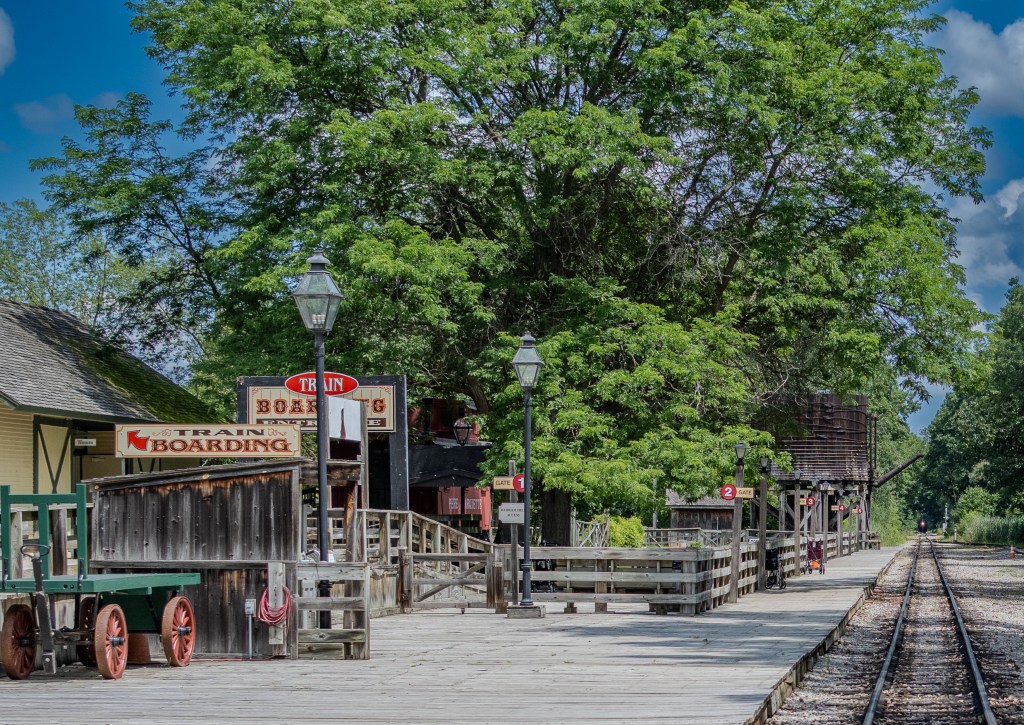
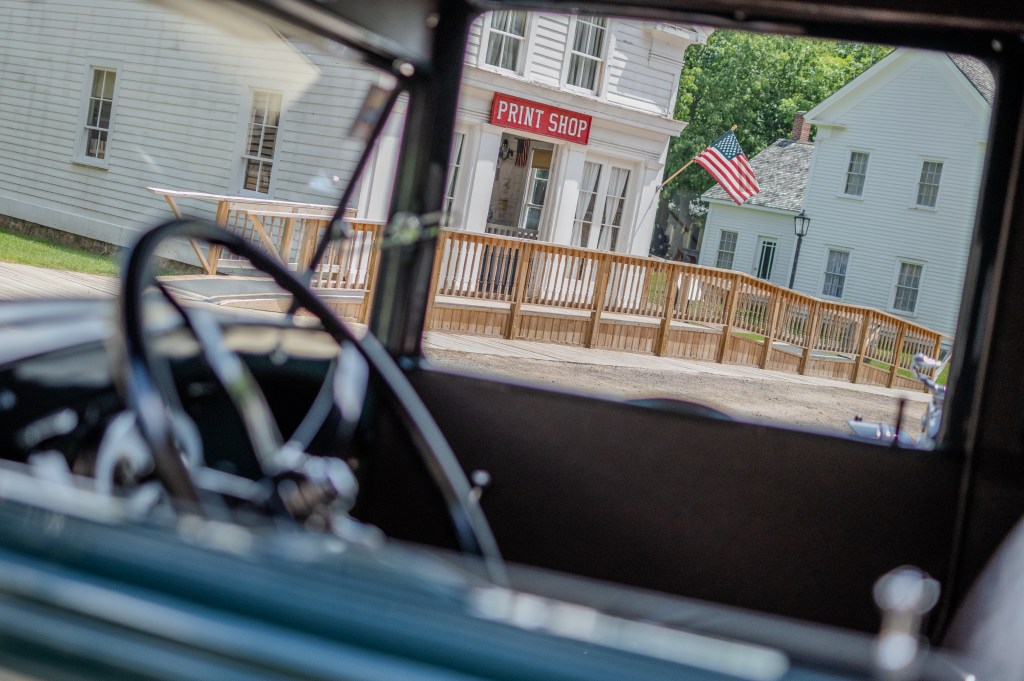
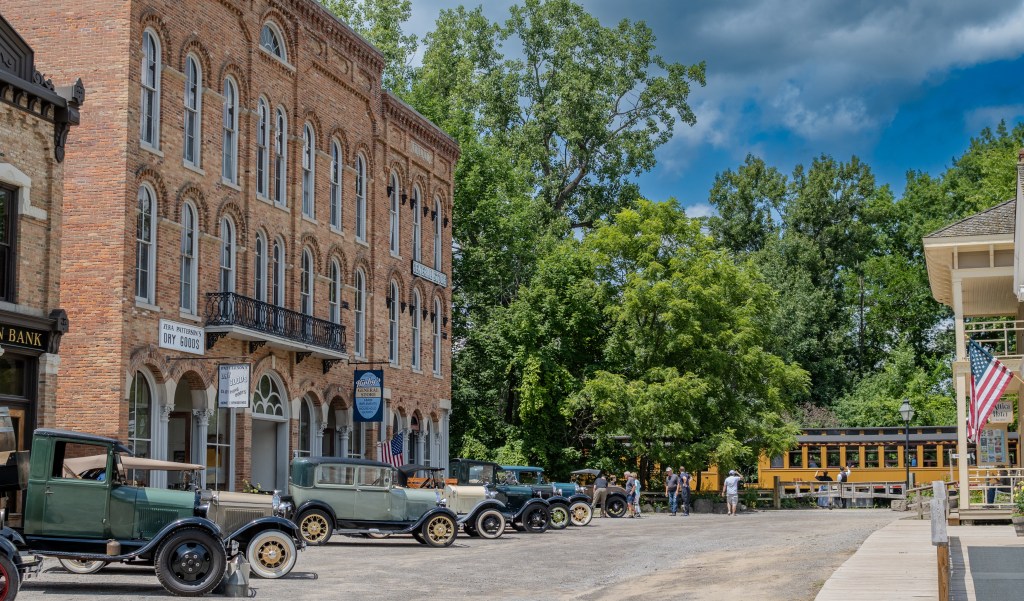
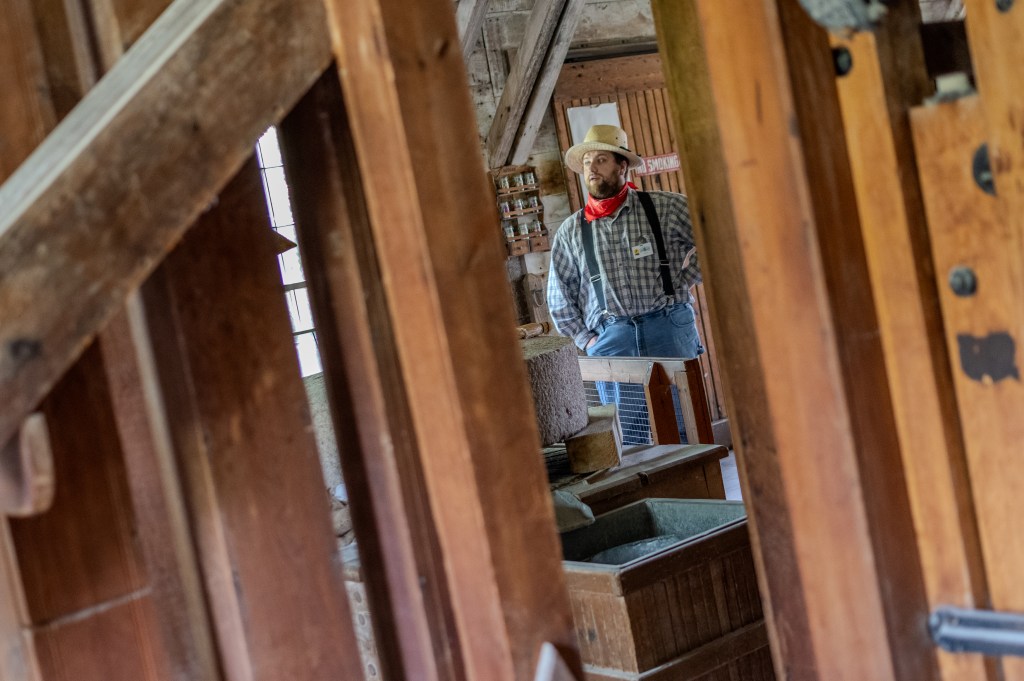
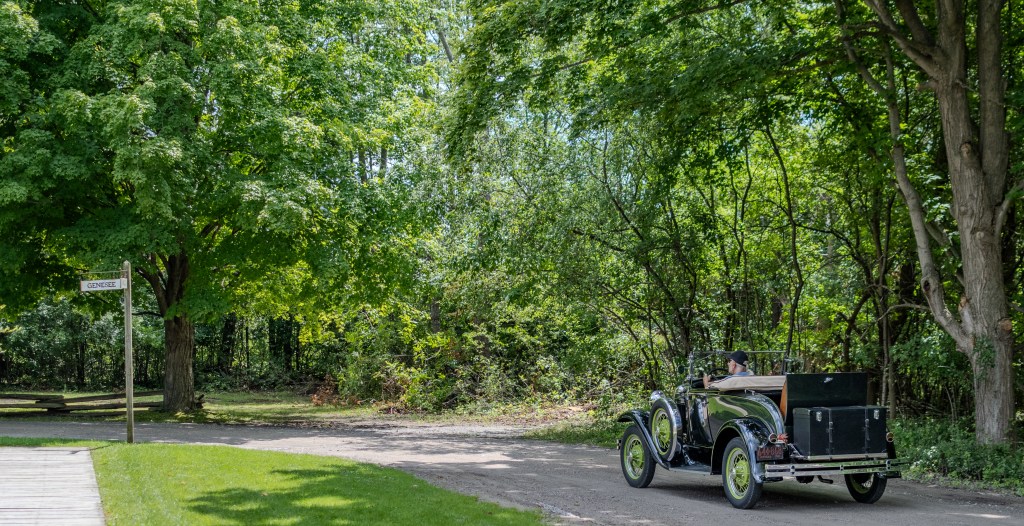
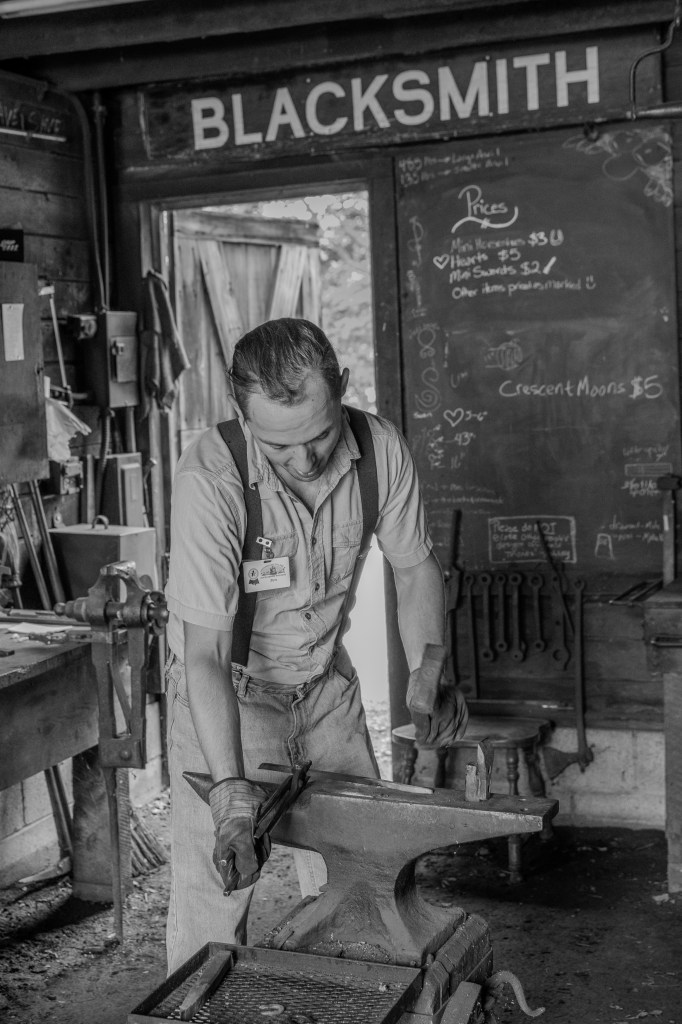
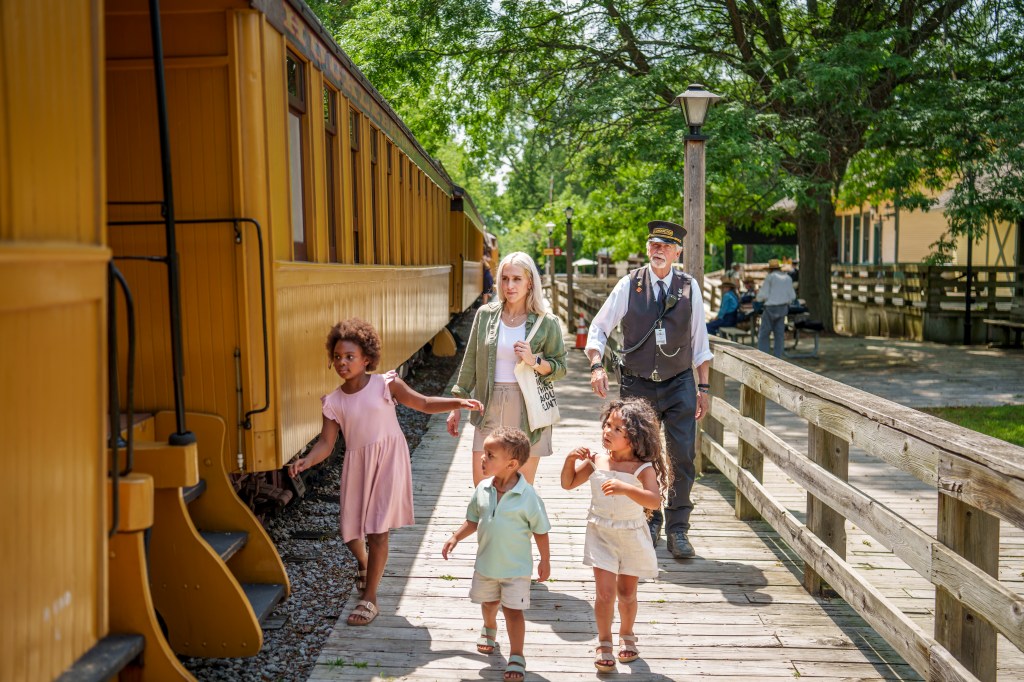
Crossroads Village would not simply display history behind ropes and glass. It would allow people to experience it. To ride in a train car pulled by a steam locomotive, to walk through historic structures, see traditional crafts demonstrated, and better understand how generations before us lived, worked, and built their communities.
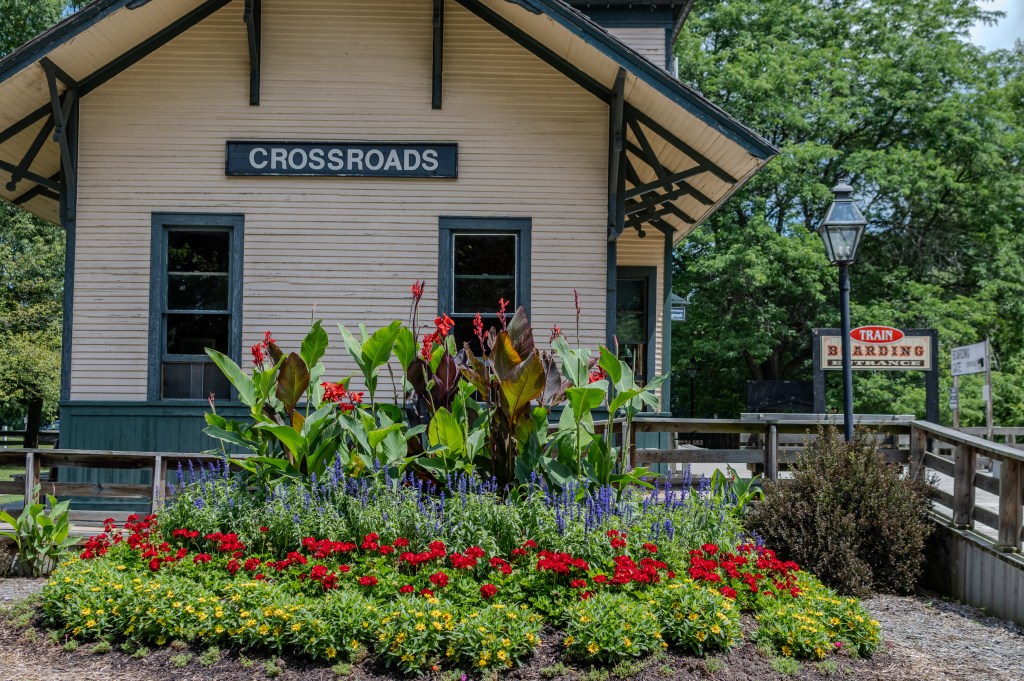
And so, what began as Genesee County’s Bicentennial project has endured for half a century.
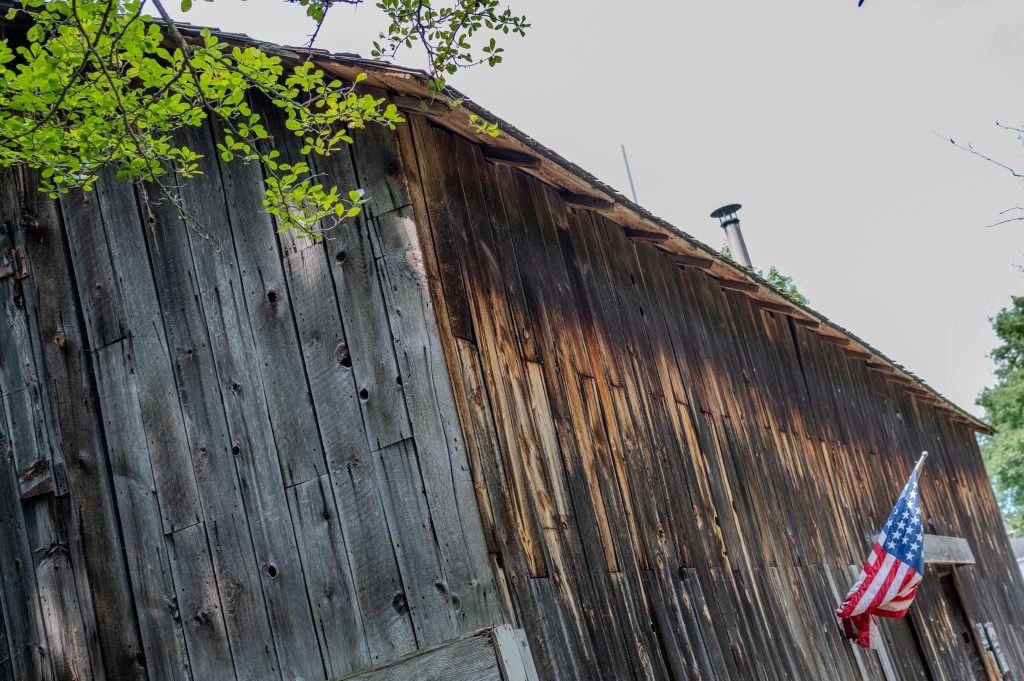
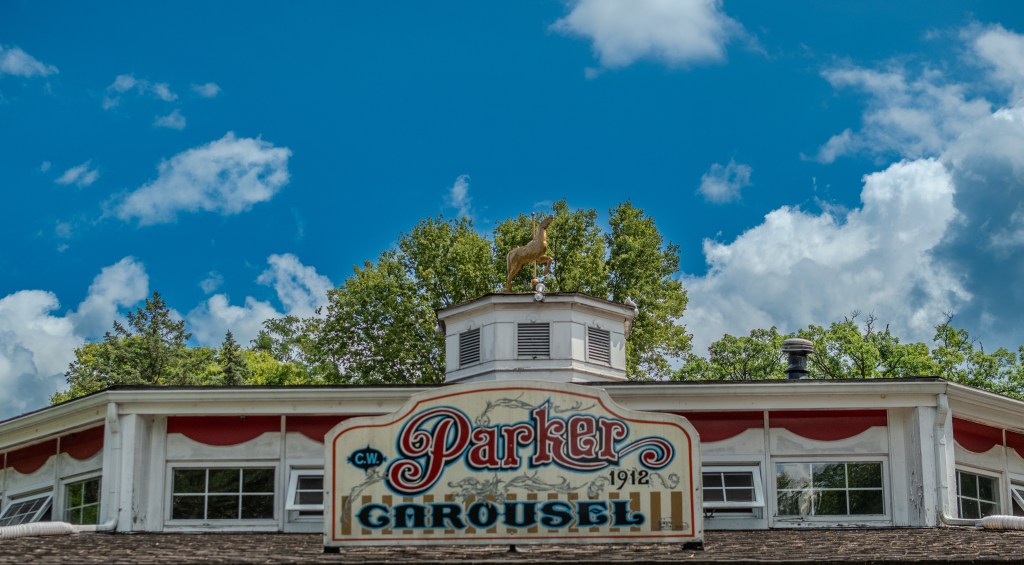
Generations of families have now walked the streets of Crossroads Village. Children who first visited decades ago have returned with their own children and grandchildren at Halloween, Christmas, and throughout the summer. Historic buildings that might otherwise have disappeared remain standing and are maintained with great care to preserve the history that continues to connect visitors to our region’s past.
Video: The Evolution of Crossroads Village
The Huckleberry Railroad, an abandoned rail line once considered a nuisance, made its maiden voyage at Crossroads on July 4, 1976. It has become one of the enduring symbols of the state’s largest parks system, thanks to the financial support of the C.S. Mott Foundation, which continues to keep history alive in our community.
As we celebrate the 50th anniversary of Crossroads Village, we celebrate far more than an attraction. We celebrate the vision of those who believed our history was worth preserving, and the manner in which they preserved it.
Fifty years later, Crossroads Village remains what its founders hoped it would become: A place where Genesee County’s past is experienced today and preserved for the future.
Crossroads Village & Huckleberry Railroad is located at 6140 Bray Road in Genesee Township.


Leave a Reply