
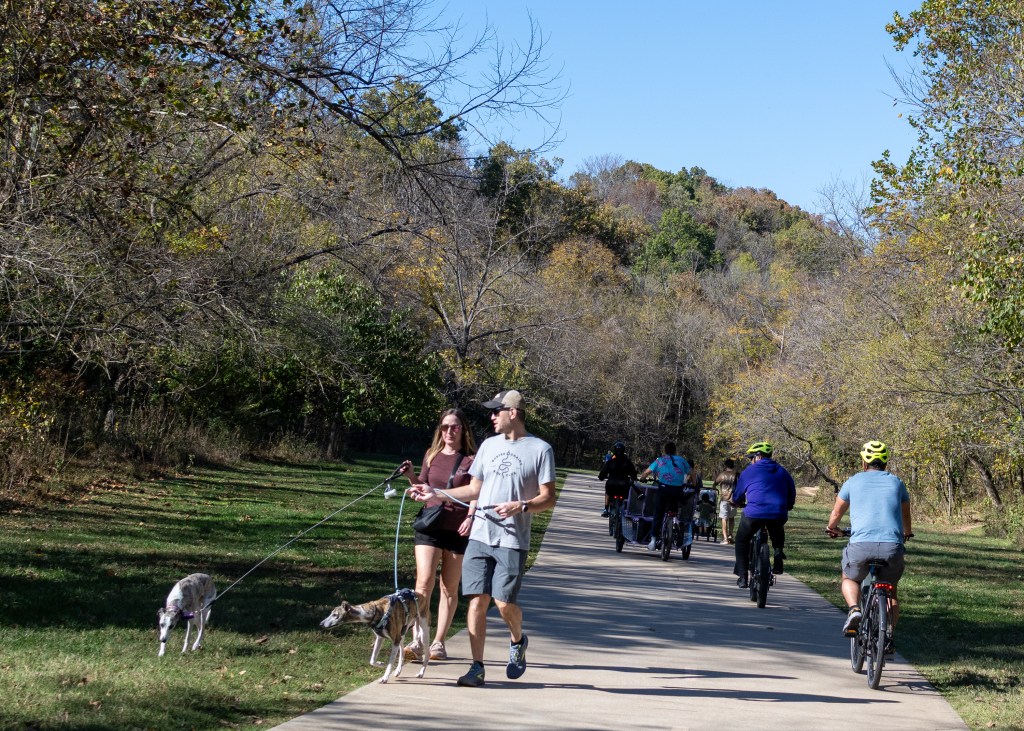
In Northwest Arkansas, trails are about much more than recreation. They are about connecting people to their communities and the places they want to go.
Residents can ride bicycles to work, students can walk to school, and families can follow trails to museums, restaurants, and downtown business districts. What began as individual community projects has evolved into a regional network that connects neighborhoods and destinations while supporting economic growth and quality of life.
It’s a remarkable story of regional transformation, and leaders from across Genesee County are taking note.
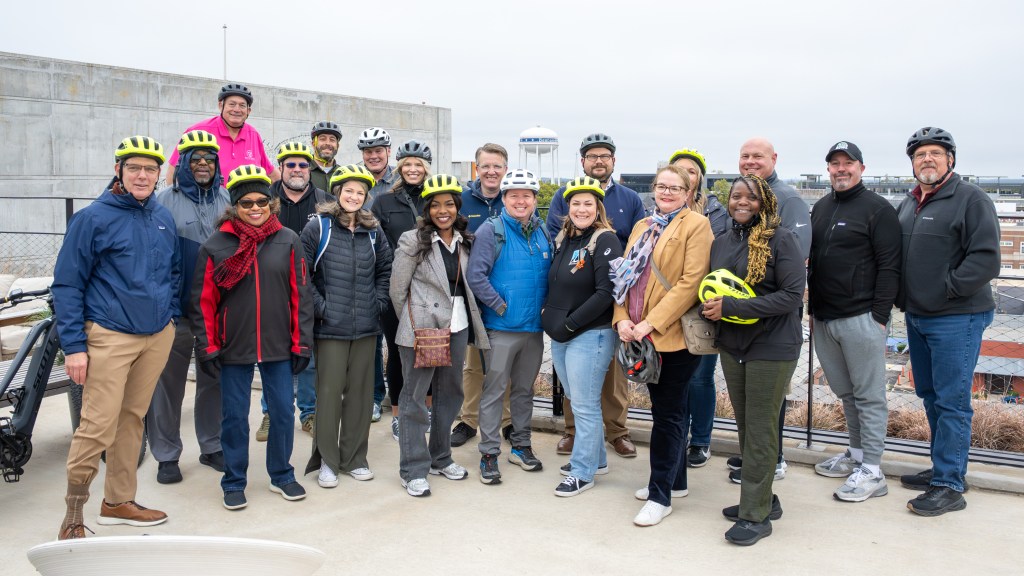
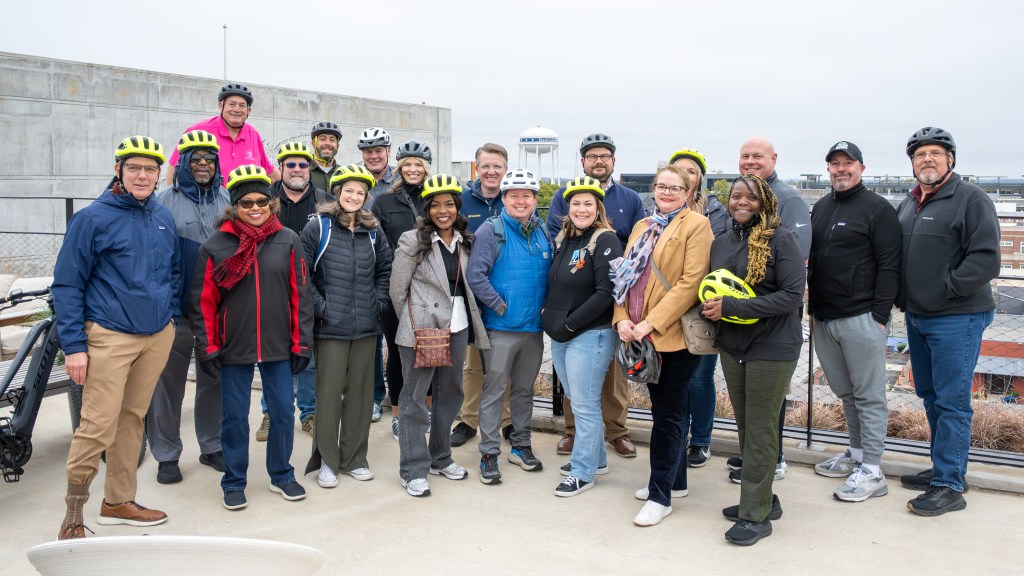
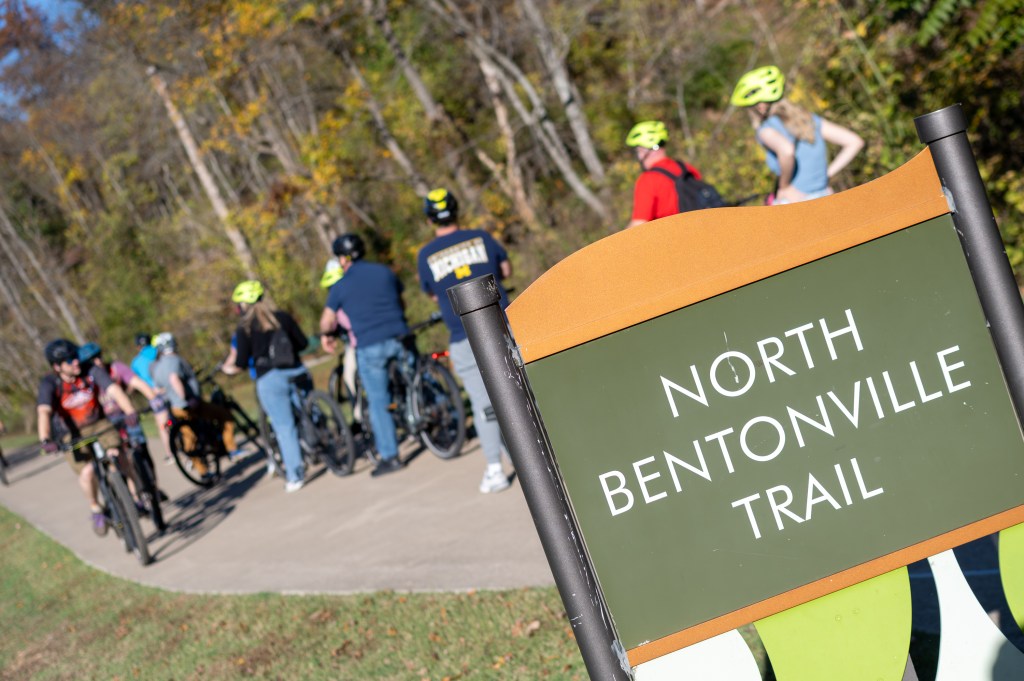
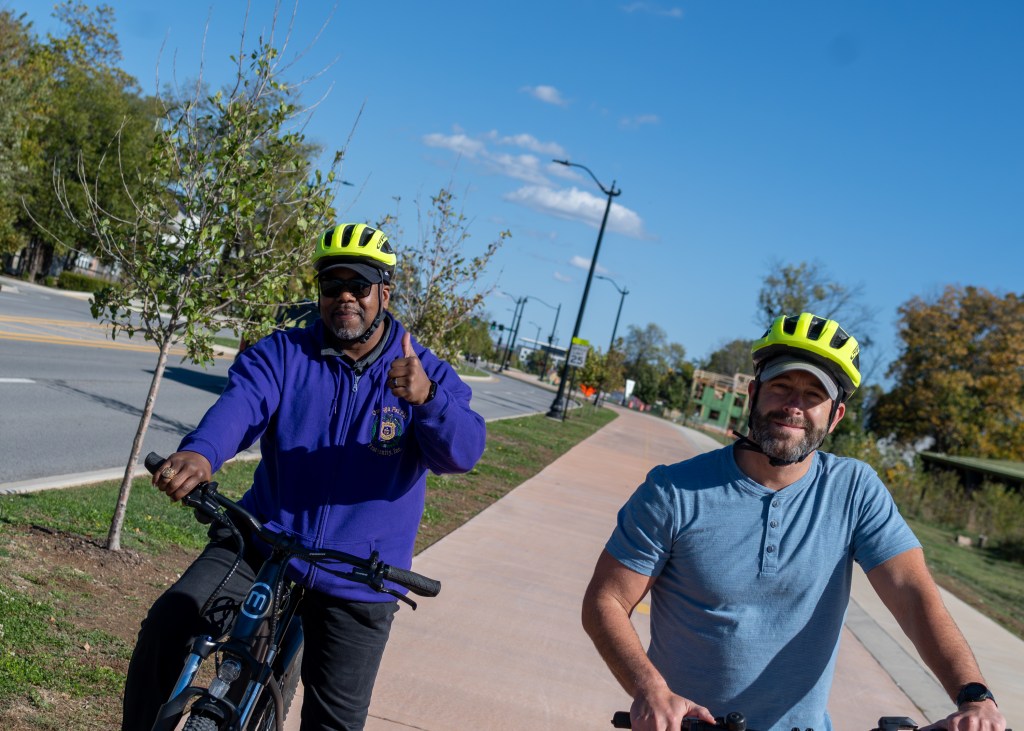
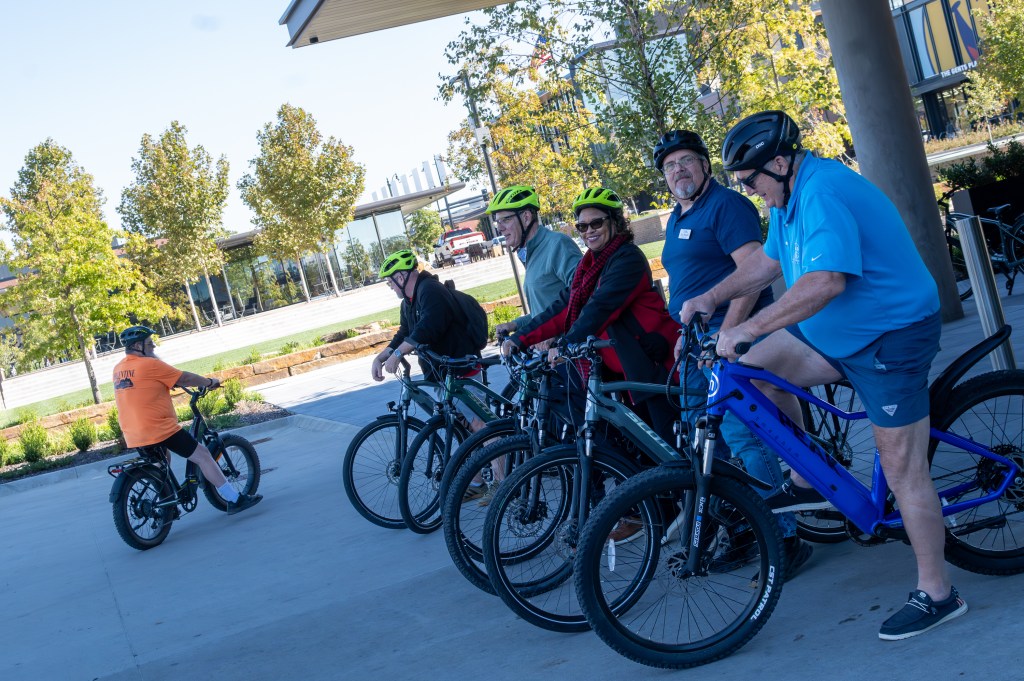
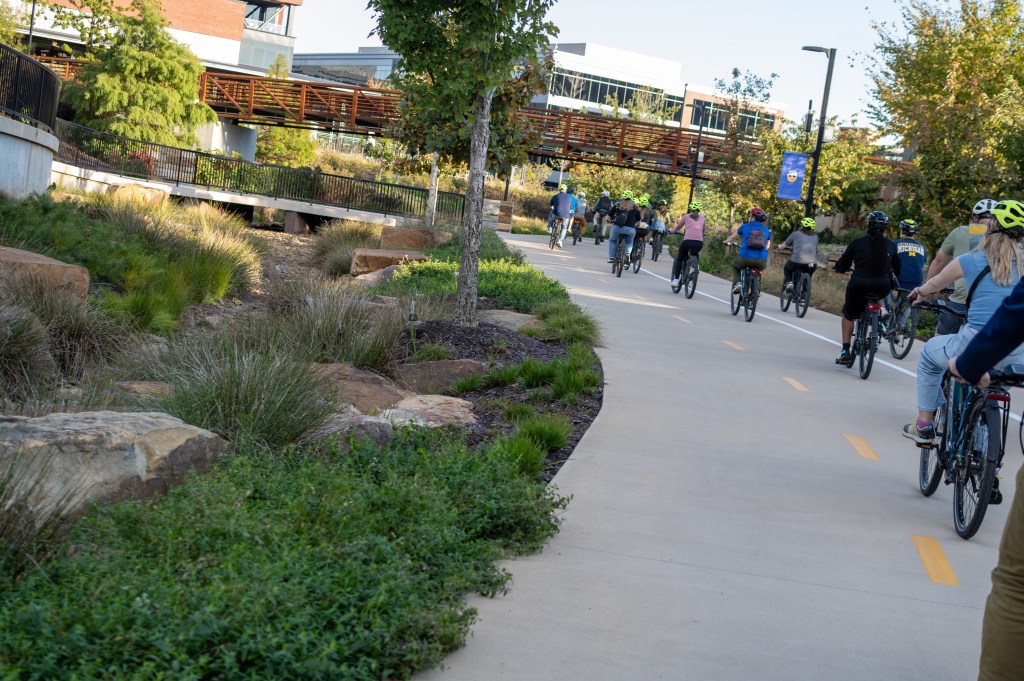
This month, a diverse delegation of Genesee County leaders traveled to Bentonville, Arkansas, for a three-day best-practices training to better understand how Northwest Arkansas developed its nationally recognized trail system (OZ Trails).
The delegation included representatives from the Genesee County Board of Commissioners (James Avery, Dr. Beverly Brown and Gary Goetzinger), the Charles Stewart Mott Foundation, Genesee County Metropolitan Planning Commission, Genesee County Parks, Genesee County Road Commission, Crim Fitness Foundation, Flint Institute of Arts, Flint & Genesee Group, Community Foundation of Greater Flint and Rowe Engineering. Municipal leaders represented Swartz Creek, Burton, Fenton, Mundy Township, Grand Blanc Township, Argentine Township and Atlas Township.
Together, they explored how collaboration, community engagement, and a shared regional vision helped transform Northwest Arkansas into a destination for outdoor recreation, spurring economic and community development.
The Genesee County delegation met with representatives from several organizations that led the region’s transformation. These discussions focused on community development, public-private partnerships, strategic planning, and the economic impact of the region’s trail system, including how cross-sector collaboration helped bring the vision to life.
The visit comes at a critical moment for Genesee County, which has undertaken an ambitious effort to develop the Legacy Trails, a countywide network designed to connect communities and provide safe access to workplaces, schools, parks, businesses, and cultural attractions.
A Culture of Collaboration
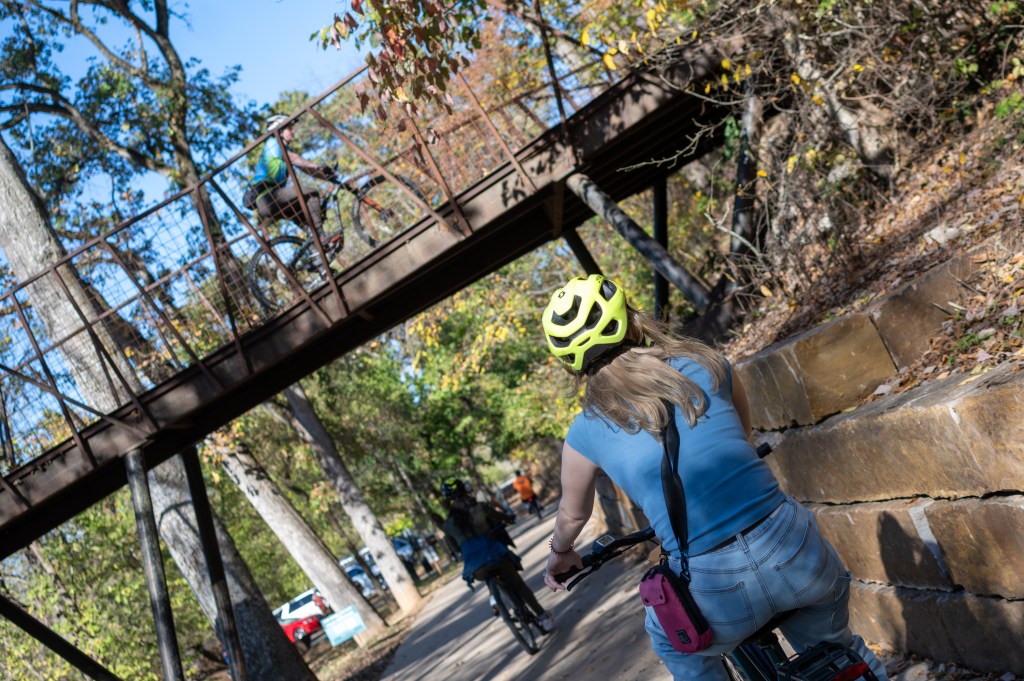
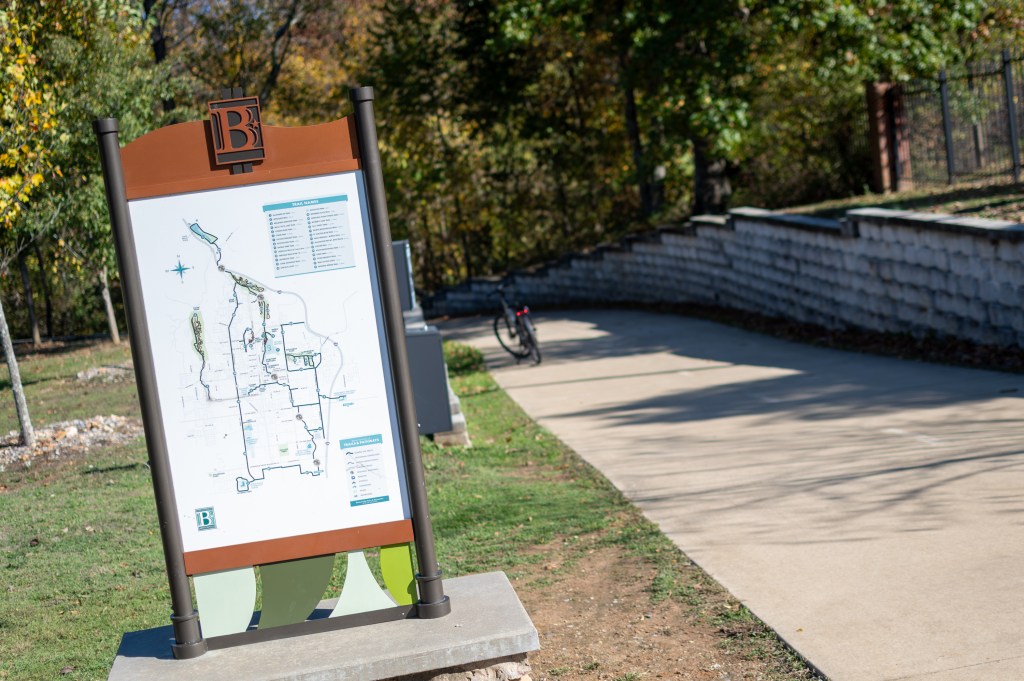
The transformation of Northwest Arkansas did not happen overnight, nor was it the result of any single organization acting alone. Over more than two decades, municipalities, regional planners, elected officials, nonprofits and private funders worked toward a common vision. Individual trails were gradually connected into a regional system anchored by the Razorback Greenway, a 40-mile paved trail linking seven communities north to south.
Today, the region’s trail network is an important part of its identity and a driver of economic growth. A University of Arkansas study estimated that cycling-related businesses and tourism generate nearly $160 million in economic impact annually.
During the visit, the delegation heard how municipalities acting like neighbors, and private organizations working shoulder to shoulder with them, helped solve challenges that might otherwise have prevented important connections.
For example, when Walmart, headquartered in Bentonville, planned its new corporate campus, discussions about the Razorback Greenway initially centered on routing the trail around the property. But that approach would make bicycle commuting less convenient for employees. Through collaboration, the company and local officials developed an approach that balanced campus security with direct bicycle access, while preserving an alternative public route.
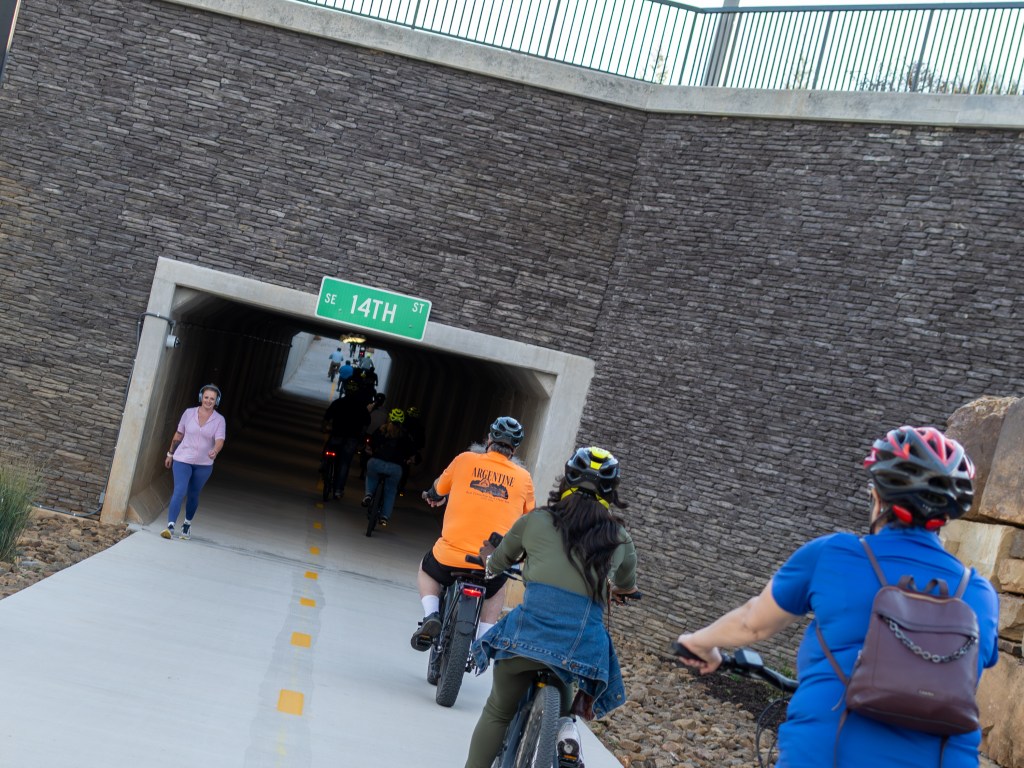
At Bentonville’s Osage Park, the delegation learned how publicly and privately owned properties were developed into a seamless recreational destination. Maintenance responsibilities were arranged around what made the most sense for serving residents, rather than simply following property boundaries.
“At the end of the day, our focus is our citizens,” said David Wright, Director of Bentonville Parks & Recreation. “How do we serve our citizens with the partnerships that we have?”
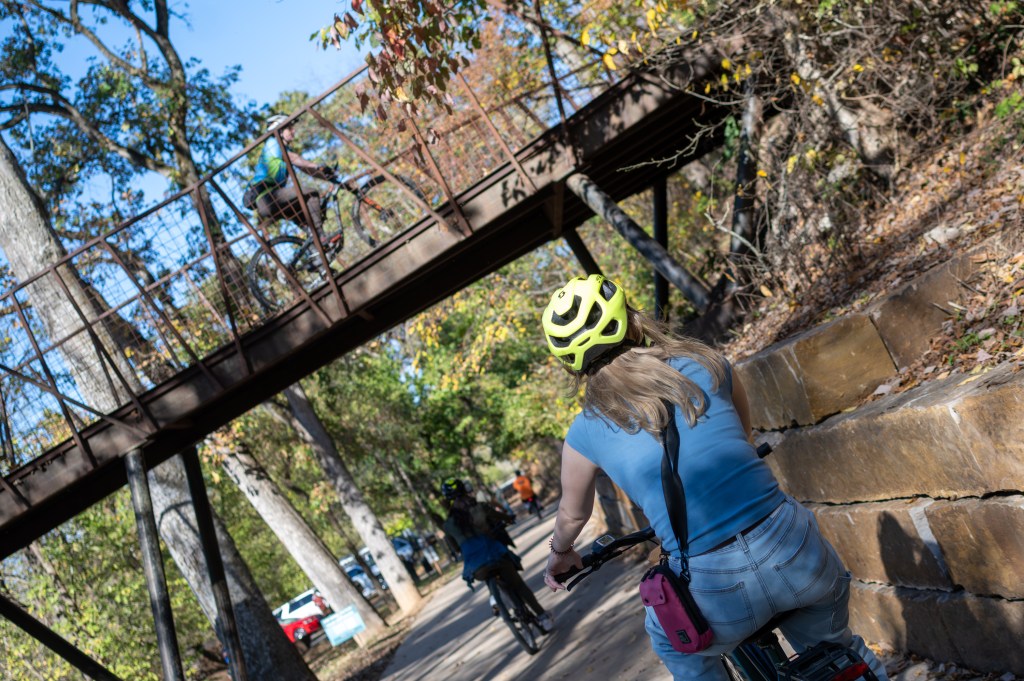
These examples reinforced an important lesson: regional collaboration does not require communities to sacrifice their individual identities or autonomy.
Anne Figueroa, Chair of the Genesee County Parks & Recreation Commission, observed that municipalities throughout Northwest Arkansas agreed on a shared regional goal while retaining the flexibility to accomplish it in ways that worked best for their individual communities. Ultimately, every community could take pride in contributing to something larger than itself.
“People who are coming to ride bikes don’t care what city they’re in; they care about the experience they’re getting,” said Kalene Griffith, CEO of Visit Bentonville. “A visitor doesn’t know the boundaries.”
The delegation also learned that creating a thriving trail culture requires more than infrastructure. Northwest Arkansas invested in community engagement, youth programs, business participation, and regional marketing, helping residents and businesses recognize the value of the trails and develop a sense of ownership in their success.
Bringing That Vision Home
That same spirit of collaboration is at the heart of Genesee County’s Legacy Trails initiative.
In 2026, the Genesee County Metropolitan Planning Commission, working with municipalities and community partners, developed Healthy, Happy, and Resilient Communities by 2030, a strategic plan identifying approximately 70 miles of critical missing connections between existing trails.
The foundation for Genesee County’s trail system was established decades ago through the vision and philanthropy of Charles Stewart Mott, who helped create the Genesee Recreation Area during a period of growth and prosperity in the county. Building on that legacy, the Flint River Trail emerged in the 1970s and has evolved into one of Michigan’s most recognizable recreational corridors, connecting downtown Flint, universities, and neighborhood parks to the Genesee Recreation Area.
Thanks to a commitment of up to $25 million from the Charles Stewart Mott Foundation, the county and its partners are working to accelerate the build-out and connection of more trails over the next five years as part of a planned investment exceeding $80 million.
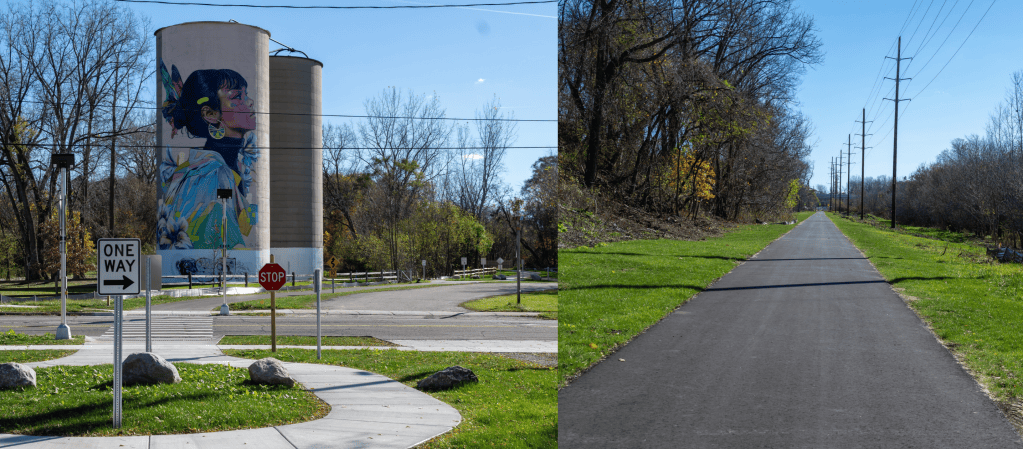
Phase 1 of the Grand Traverse Greenway opened in November 2026.
The initiative is expected to connect more than 180,000 residents to important community services and destinations. The longer-term vision calls for a regional network totaling 364 miles, with the goal of bringing every household in Genesee County within one mile of a nonmotorized trail.
That vision is already taking shape. Recent projects, including the Embury-Cook Road Trail in Grand Blanc Township and the ChoiceOne Bank Trail connecting communities in southern Genesee County, demonstrate how local investments can contribute to something much larger.
Genesee County has also begun to build a shared identity for its growing trail system. Through the generous support of the Charles Stewart Mott Foundation, the county has partnered with Destination by Design, a firm specializing in community branding, trail planning, and destination development, to help establish a recognizable brand for Legacy Trails. This effort will help residents and visitors see individual community trails as part of something much larger: a connected, countywide network that celebrates the unique character of each community while strengthening Genesee County as a whole.
Instrumental in advancing this effort has been Jacob Maurer, division manager with the GCMPC, whose leadership and commitment to building partnerships have helped move trail projects forward across the county.
And while the physical connections are important, the relationships necessary to build them may be even more consequential.
“One of the most important lessons from Northwest Arkansas is that transformational projects require transformational partnerships,” said Genesee County Commissioner Dr. Beverly Brown, chair of the Board of Commissioners’ Community and Economic Development Committee. “The relationships we are building are laying the foundation for something truly special. Our success with Legacy Trails will depend on our willingness to look beyond individual community boundaries, embrace a shared vision and work together to accomplish something that benefits all of Genesee County.”
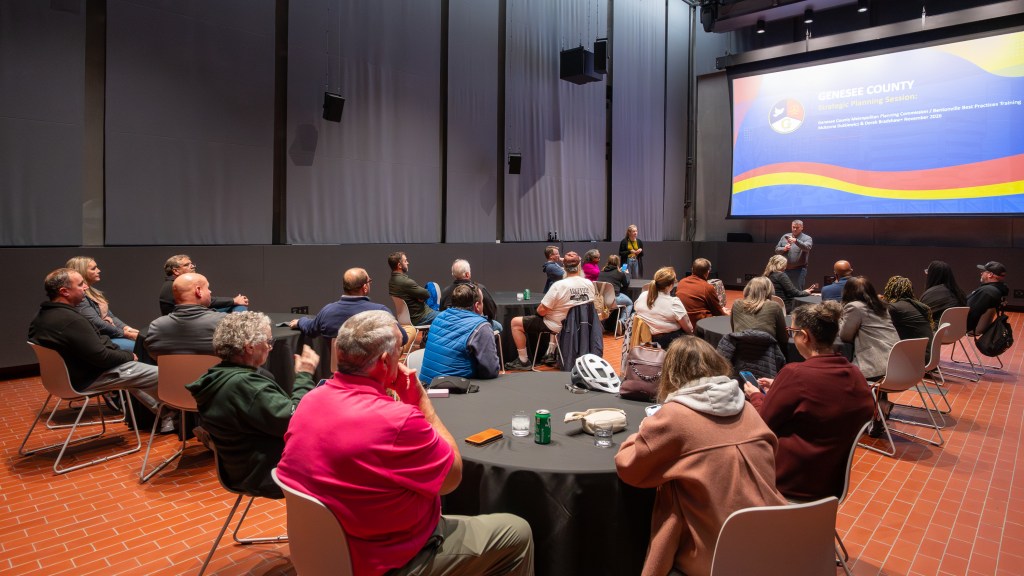
During the visit, the Genesee County delegation met to discuss the future of collaboration and brainstorm new and creative ways to leverage the people, places, and things that make our community unique.
“It’s critical that we have a shared understanding of the opportunities ahead and the importance of continuing to work together,” said Derek Bradshaw, Director of the Genesee County Metropolitan Planning Commission, who led the discussion alongside Planning Specialist McKenna Dutkiewicz. “We need to focus our collective resources on a unified effort to ensure Genesee County is a place that is attractive to investment while also offering the kind of community amenities that make people want to put down roots here.”
In Northwest Arkansas, they have a simple philosophy:
“If you build a place where people want to visit, you’ll build a place where people want to live,” Griffin said. “If you build a place where people want to live, you’ll build a place where people want to work.”
A Connected Future
Perhaps the greatest takeaway from Northwest Arkansas is that trails should not be viewed simply as recreational amenities. They are community infrastructure that can strengthen neighborhoods, encourage economic development, improve access to opportunities, and make Genesee County a more attractive place to live, work, and visit.
Just as importantly, the delegation learned that building the trails is only part of the equation. Lasting success requires community ownership, ongoing maintenance, thoughtful planning, and a commitment to making the system accessible to residents across the region.
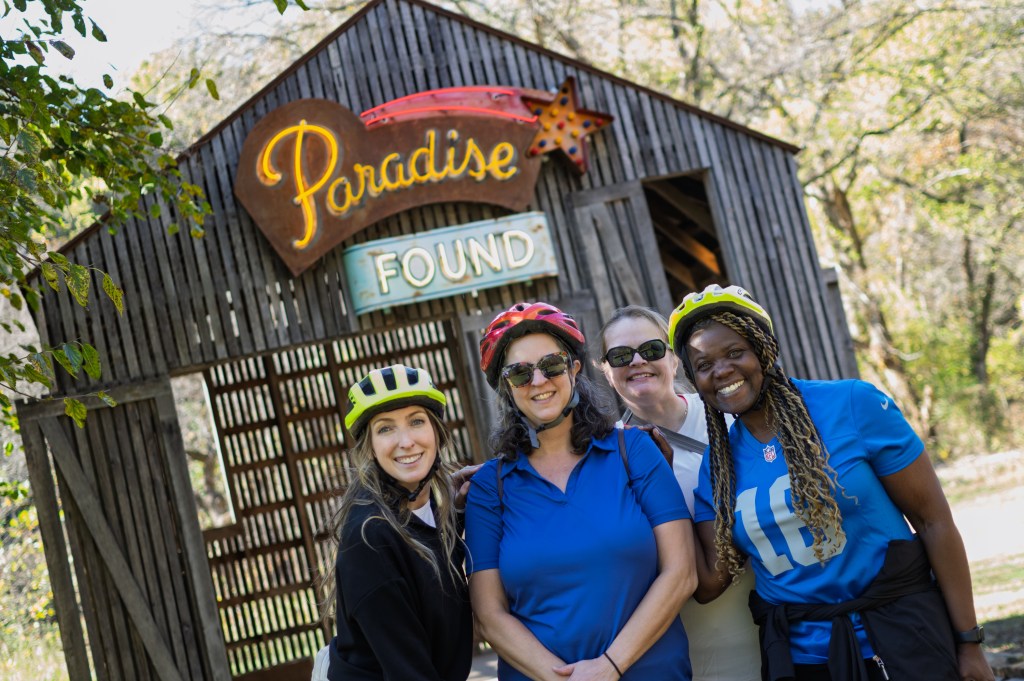
Genesee County has its own unique geography, communities, and opportunities. Delegation members were particularly inspired by how Northwest Arkansas integrated art, cultural attractions, and unexpected experiences throughout its trail network, transforming ordinary bicycle rides into opportunities for exploration and discovery. With its vibrant arts community, historic downtowns, and distinctive public assets, Genesee County has an opportunity to create something equally compelling. The goal is not to replicate Northwest Arkansas, but to build on the qualities that make our own community unique.
“I was so impressed and inspired by how art is embedded into not only the downtown area but also through surprising and delightful occurrences on the trails,” said Tracee Glab, Executive Director of the Flint Institute of Arts. “The art feels like an essential part of the fabric of the experience, rather than an afterthought.”
How we pull together as one community will ultimately shape the future of Genesee County and determine the legacy we leave to our children and grandchildren.
“We can’t afford to sit back and wait for opportunities to come to Genesee County,” Commissioner Dr. Beverly Brown said. “We must think big, plan strategically, and work together to turn bold ideas into reality. This experience showed us what’s possible when communities come together with a bold, shared vision for the future.”
For more information, visit GeneseeTrails.com.


Leave a Reply