
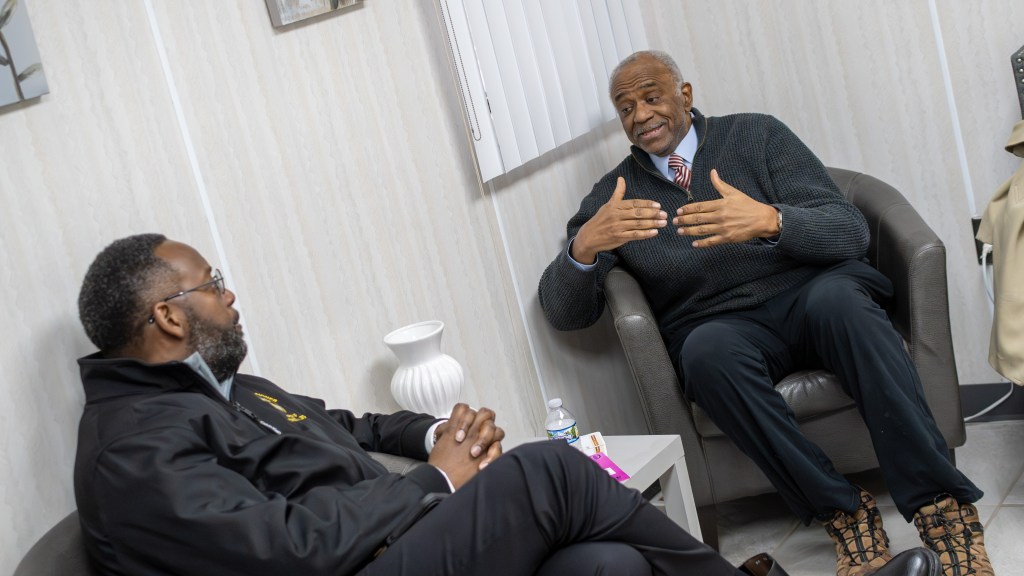
Genesee County, MI — Genesee County Commissioner Delrico J. Loyd joined community advocate Art Woodson Thursday morning to complete enrollment in the National Minority Quality Forum’s (NMQF) community-driven effort focused on helping detect cancer earlier, when it is most treatable. The pair was hosted by the Life in 3D Clinic in Flint Township as part of NMQF’s outreach to Genesee County residents.
The culmination of the Forum’s most recent work comes on Saturday, as residents are invited to attend the Flint Forward: Community Town Hall and Free Mini Clinic, held at the Flint Development Center, 4121 Martin Luther King Avenue in Flint. The Town Hall begins at 11 a.m. followed by a free mini clinic from noon until 3 p.m. Registration begins at 10:15 a.m.
Commissioner Loyd’s message to residents is simple: There are proactive ways to detect cancer and other diseases early, and lead to far better health outcomes.
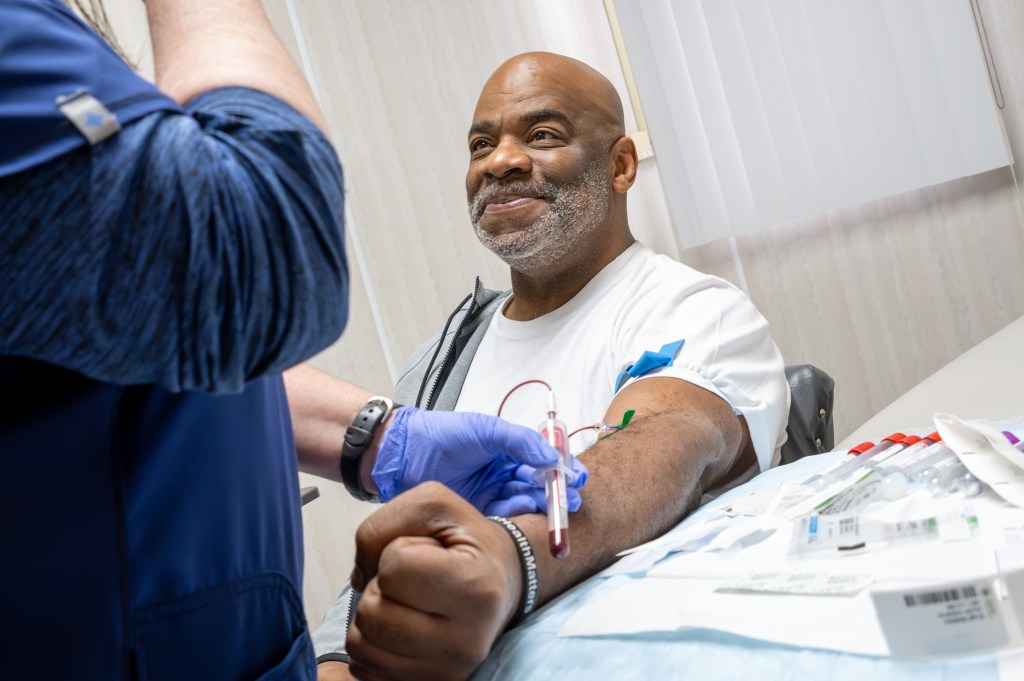
“I think this is going to be a game-changer for our community,” said Loyd, who represents District 1 of Genesee County, including a large portion of the City of Flint. “We know that Flint is such a resilient community that has faced many significant challenges … and we’ve seen a lot of loss with cancer … but this science is going to be important to communities like Flint and many others as well as we work to ensure we do our part to save lives through early testing and detection of cancer.”
NMQF’s work is designed to support communities that have too often carried an unfair burden of environmental harm and longstanding health inequities. By building trust, improving access, and connecting people to resources, the initiative helps more residents get the information, screening support, and follow-up care needed to identify cancer and other serious diseases as early as possible. With advances in medical technology, there’s now a single test that can detect up to 50 different types of cancer, often before symptoms appear.
Gary A. Puckrein (pictured above), PhD, President and Chief Executive Officer of NMQF, has big plans for Flint and Genesee County.
“We want to turn Flint into one of the research centers in the country for communities that have been exposed to environmental risk, because we need new science about how to treat people in those communities,” Puckrein said. “This is about taking Flint, like a rocket ship, into the future by bringing good science, technology, and jobs to transform this community … this is the moment.”
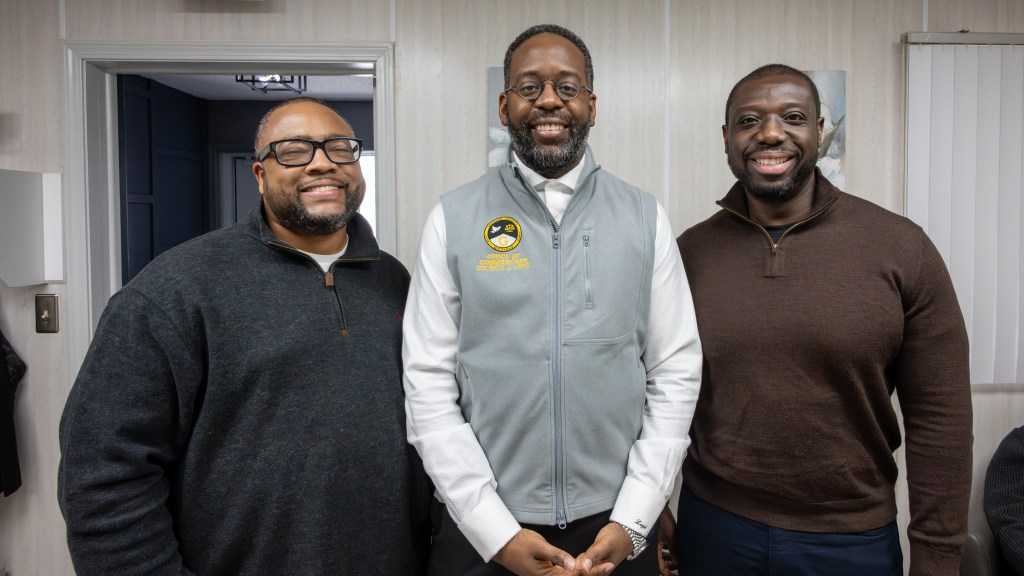
Art Woodson, a community advocate whose family, like so many others, has been impacted by cancer, was the first to bring the life-saving work of NMQF to the Board of Commissioners’ attention last year. The Board ultimately invested $100,000 in the Flint Cancer Study as a proactive response to community concerns about high cancer rates and the possibility that environmental toxins were contributing factors.
“We have the ability now to determine three to five years ahead, and that gives people here access to innovative technology that isn’t available to everyone,” Woodson said. “It should make a huge impact to give people a fighting chance.”
When serious diseases are found early, treatment options are often broader, care can begin sooner, and families have more time, more support, and more hope for longevity.
Click here to learn more about the work of the National Minority Quality Forum.


 1836 Place
Leave a comment