
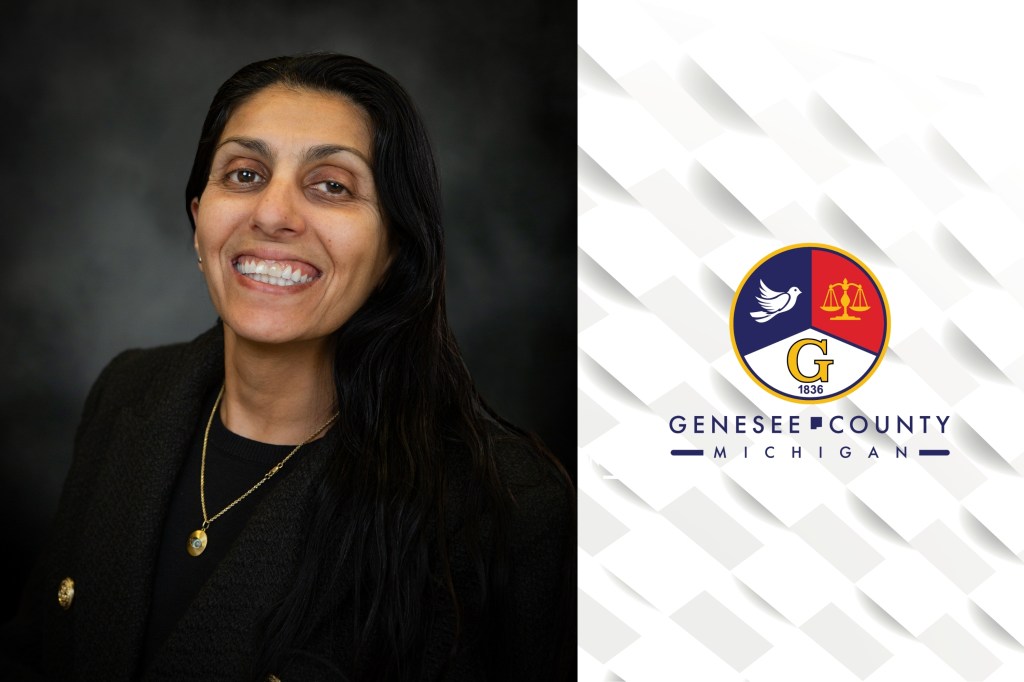
Genesee County, MI — Marlene Collick’s simple yet profound approach drives her passion for nearly everything she does — it’s her “life on earth” philosophy.
“Every human has to go through whatever they need to go through to ascend, and I’m no different than my neighbor,” said Collick, Genesee County’s Deputy Director of Community Engagement and Justice Services , an advocate for those suffering from Substance Use Disorder. “That’s life on earth.”
One significant component of her life and career is using her voice to raise awareness and understanding of Substance Use Disorder wherever it exists. Awareness is crucial in cultivating healthy, safe, and livable communities—one of the main priorities of the Genesee County Board of Commissioners.
In her role in Community Engagement and Justice Services , Collick serves an often overlooked population: Justice-impacted residents, specifically those in the pretrial and bond-issuance phase.
“We assist the individuals from the beginning all the way through the process, whether it’s a dismissal, a conviction, or a probation situation,” she said.
Throughout her career, she has seen firsthand how people struggling with Substance Use Disorder or mental health issues can find themselves locked up, hopeless, and in need of care — and Collick’s own experience would not allow her to look the other way.
She uses her 23 years in recovery and her husband’s experience with recovery to guide her approach to the issue in her role in Community Corrections.
“I’m committed to this cause, giving voice to people who maybe don’t have a voice yet,” she said. “Because of my experience, I’m strong enough and have no fear to be that voice for them.
“I had people who did this for me … people who saved my life. We must walk together because we are not as strong by ourselves.”
Lived Experience Matters
Michelle Ryder, a member of the Genesee County Opioid Executive Committee and Community Advocate, has made it her life’s work to give voice to the experiences of those suffering from Substance Use Disorder.
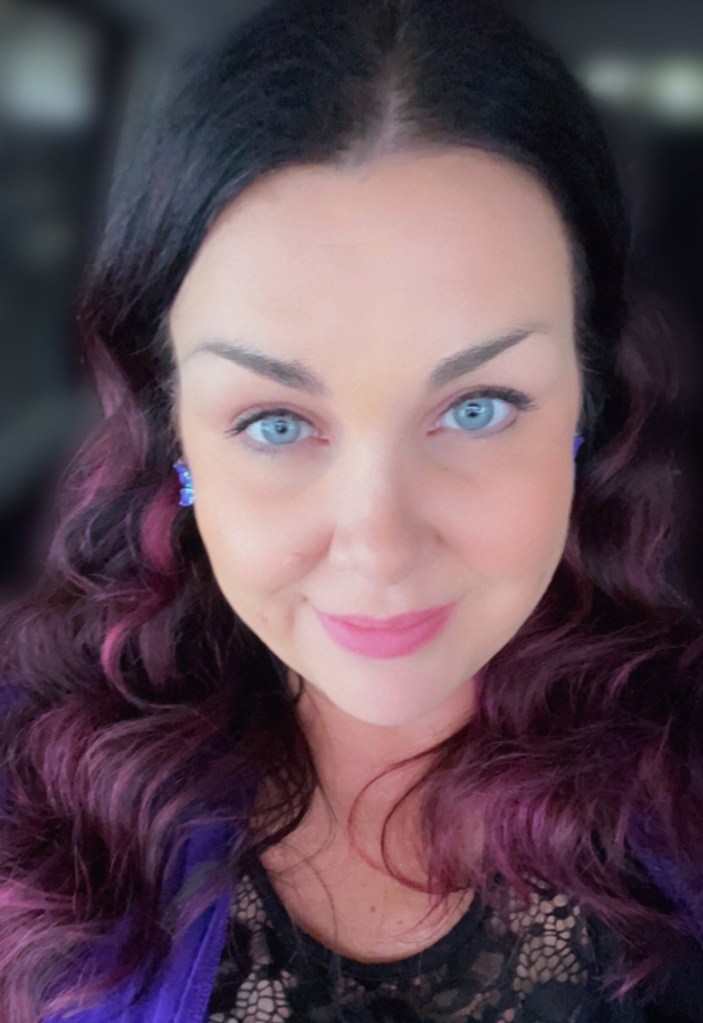
She has experienced the loneliest moments of Substance Use Disorder firsthand, suffering through the misery of withdrawals inside a jail cell. She wants those who are suffering now to know they are not alone, and she has the courage to share her story with anyone who will listen.
“Lived experiences, like my own, bring real-world insight into what helps people recover,” she said. “The voices of people who have been through it can help create more compassionate, practical, and effective programs. They also reduce stigma, helping to shift the system’s focus from punishment to recovery. If we want better outcomes, we must listen to those who have lived it.”
Empathizing with those suffering from this disorder and raising awareness of its many effects can bridge the gap between stigmatization and recovery, enabling a more humane approach to treatment and rehabilitation — and this includes those currently incarcerated. Such empathy can lead to better outcomes for individuals and healthier communities, emphasizing the need for understanding over judgment in the face of the disorder.
“Our jail population is filled with individuals that have substance use disorder and mental health concerns, but this has allowed me to get in the community and become partners with a whole bunch of different types of social service providers in our community,” Collick said.
In her role, Collick meets individuals and often connects them with a peer recovery coach. If appropriate, she creates transition plans for when they are released, ensuring that all the right questions have been asked. Collick says there is still work to do, but the processes in the Genesee County Jail, especially those tied to the health and wellness of justice-involved residents, have improved tremendously in recent years, and more improvements are on the horizon.
“We’re triaging people in our jail,” she said. “We are effectively meeting them where they are when they are on medication-assisted treatment and then giving them a triage plan. This is unique to Genesee County. Not many jails in Michigan do this type of transitioning.”
Collick says that, as much as possible, the experience should be rehabilitative in nature. It must include care for physical and mental health and harm reduction.
“We want to give them as many tools as necessary to prevent them from continuing down the path that got them into our jail in the first place,” she said.
Next Steps
With funding from the Opioid Settlement Fund, Genesee County aspires to positively impact residents through treatment, prevention, and outreach.
Most recently, the County hired a R.I.S.E. Coordinator (Reach, Inspire, Serve and Empower) whose job is to ensure anyone entering the jail dealing with Substance Use Disorder, whether in recovery or even those actively withdrawing, have the support they need. The County has also begun the process of expanding Medication-Assisted Treatment (MAT) in partnership with New Paths, a comprehensive Substance Abuse Disorder treatment facility in Flint that offers multiple levels of rehabilitation.
“This will ensure individuals in our care at the jail get the treatment they need,” said Collick, who also says the Jail will be able to track Substance Use Disorder data to understand better the challenges faced and the supports needed to overcome them.
The goal is always to get people to the next phase of recovery, and for some that step needs to be made while they are incarcerated.
“Ultimately, we want them to become productive members of society,” she said.
For Ryder, incarceration was a low point but it may also serve as a window of opportunity to begin the process toward recovery.
“Often it’s the first time in a long time that they’re in a stable environment, away from the chaos that often fuels substance use,” Ryder said. “The structure of jail can provide a powerful moment to introduce recovery resources and build motivation for change. MAT is a great start, a necessary start, but we need to allow people to begin healing their trauma with counseling, peer support, and an individualized reentry plan.
“If we can start treatment in jail and carry it through to the community with strong partnerships and less stigma, we have a real chance to help people build lasting recovery and reduce the cycle of incarceration.”
‘Secrets Make Us Sick‘
The Genesee County Opioid Executive Committee has plans to use Opioid Settlement Funds to expand access to treatment, support prevention programs, and invest in long-term recovery resources. This includes increasing the availability of medication-assisted treatment in jail, supporting community-based recovery services, and funding education, harm reduction, and stigma initiatives.
What we’ve learned is that one of the most effective ways to ensure people who need help are getting it is through awareness and outreach. Studies show that where stigmas regarding Substance Abuse Disorder are most pronounced, individuals who need support are far less likely to seek it out. The old way of pretending problems don’t exist or wishing them away doesn’t work.
“Secrets make us sick, right? And in our old world, we have so many secrets,” Collick said. “Let’s choose a different path. Let’s live in a glass house; let’s share our stuff so that we can help the other person so they don’t have to be fearful to share what they’re going through inside.”
Moving forward, Genesee County will lead a comprehensive anti-stigma campaign, funded by Opioid Settlement Funds, that will take a major step toward making Genesee County a safe space for people who need help.
The funds provide a unique opportunity to expand on what has already been built in Genesee County, fully letting go of the old way of reacting to addiction and moving toward a new path of community-based treatment, prevention and a culture rooted in second chances.
“My dream scenario is a fully integrated system where anyone struggling with substance use, whether in jail, at home, or in the community, has immediate access to compassionate, comprehensive care,” Ryder said. “The time is now.”
April is National County Government Month.
During this month, we will focus attention on the variety of services provided to residents as a reminder of our critical role in promoting healthy, safe, and livable communities across our community. With that in mind, we are first and foremost grateful for every member of our team and their role in providing the programs and services that help make Genesee County a great place to live and work. #NCGM #GeneseeCountyServes


 1836 Place
Leave a reply to Vaughn, Jessica Cancel reply