
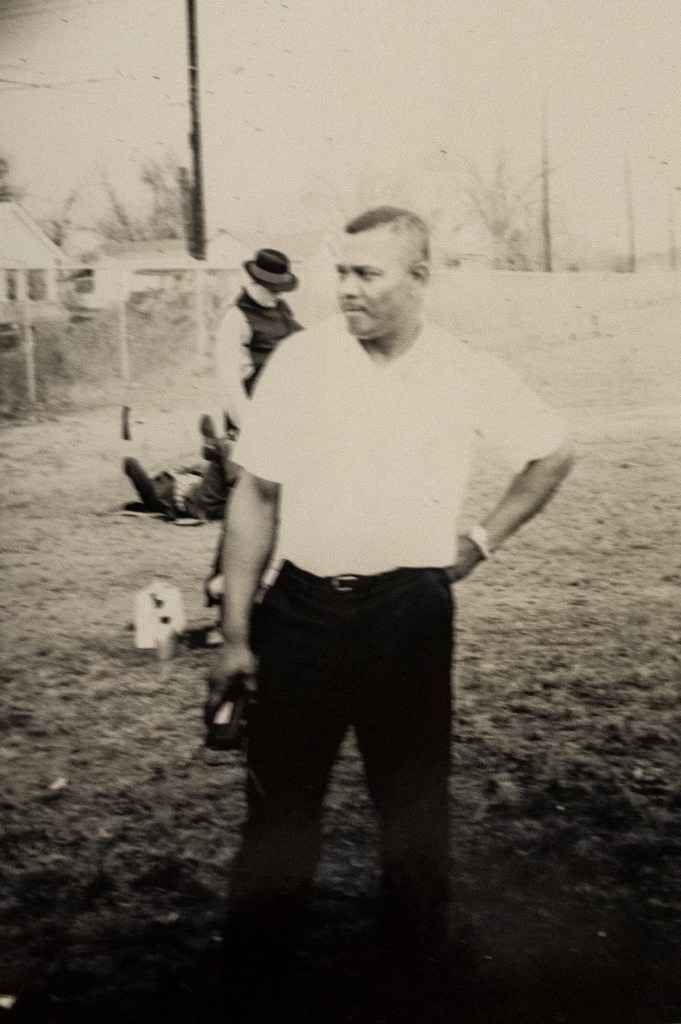
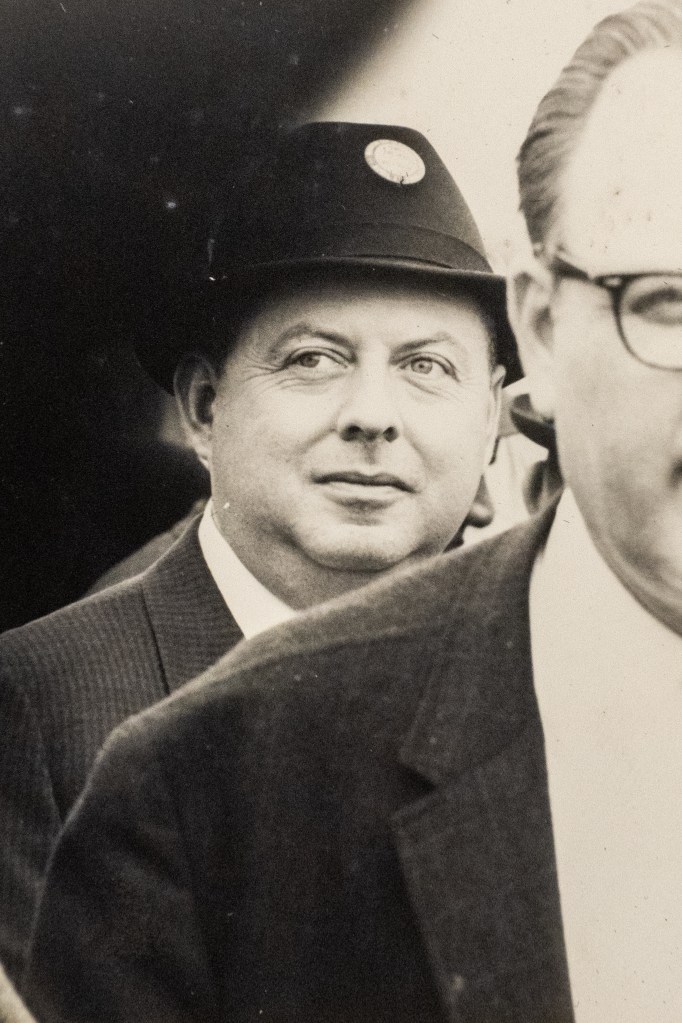
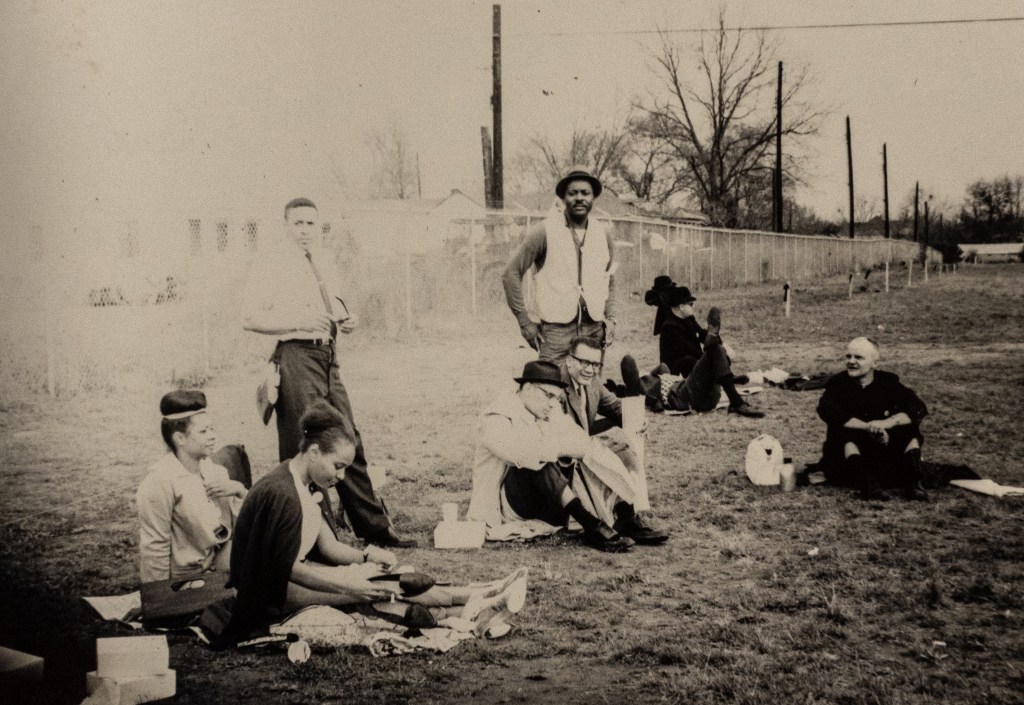
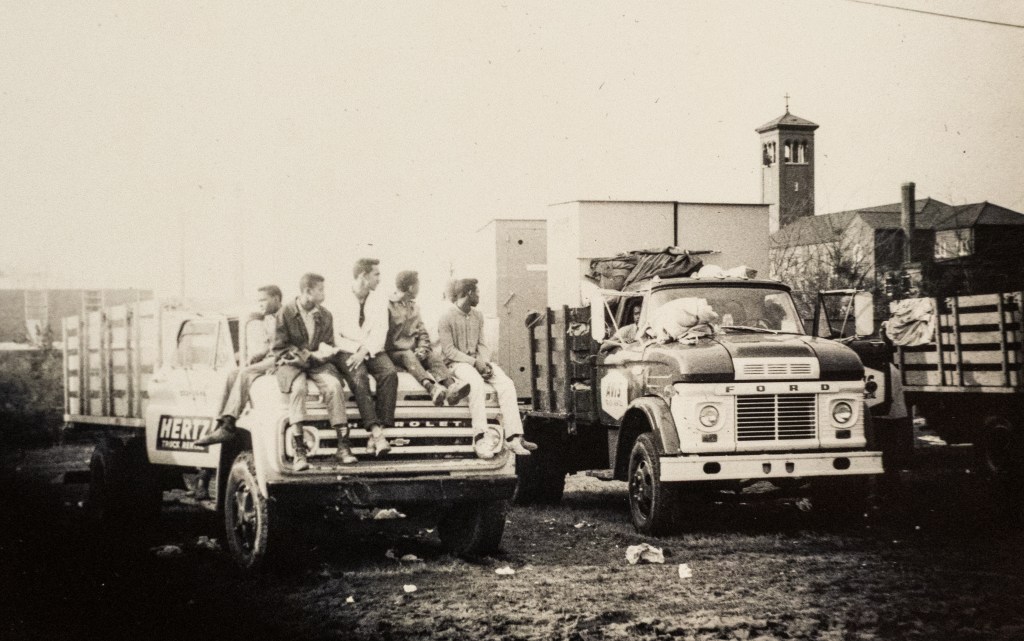
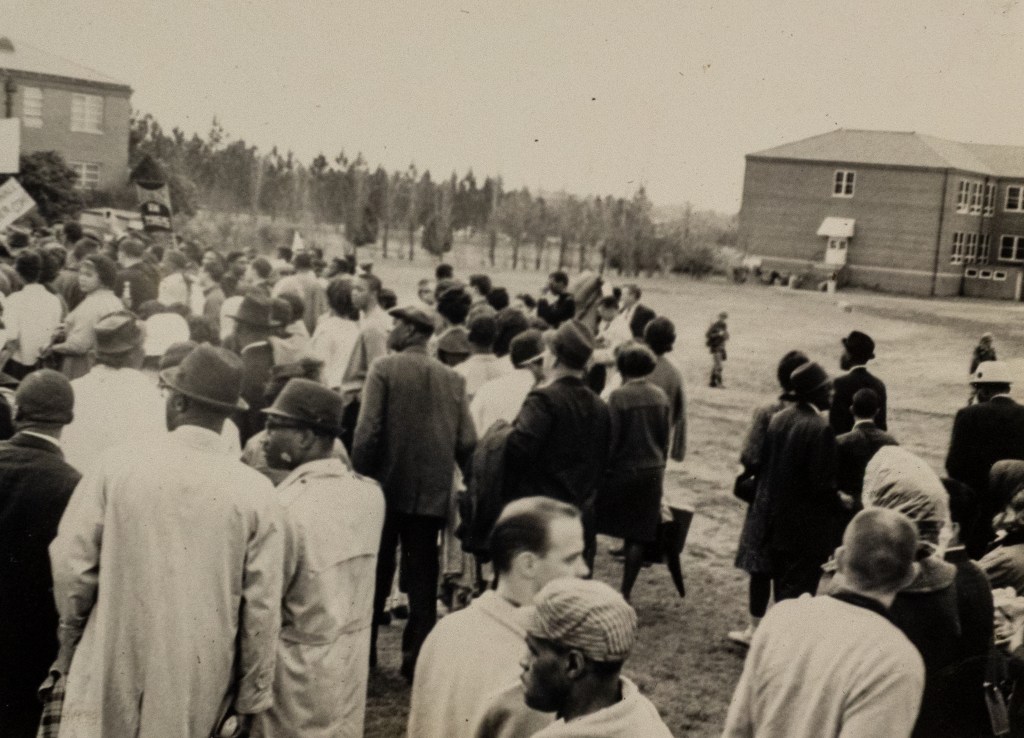
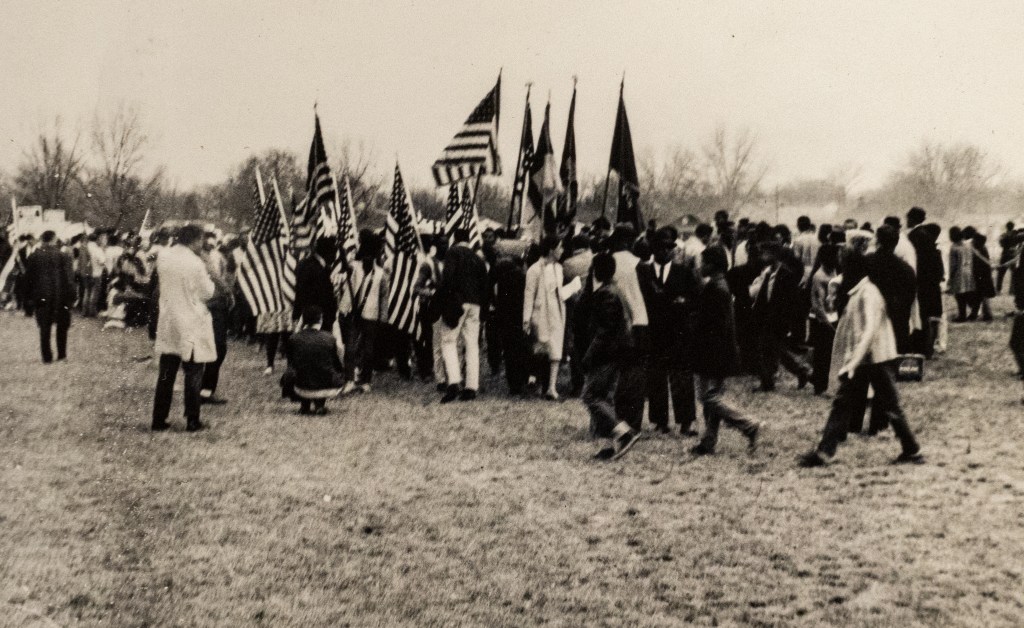
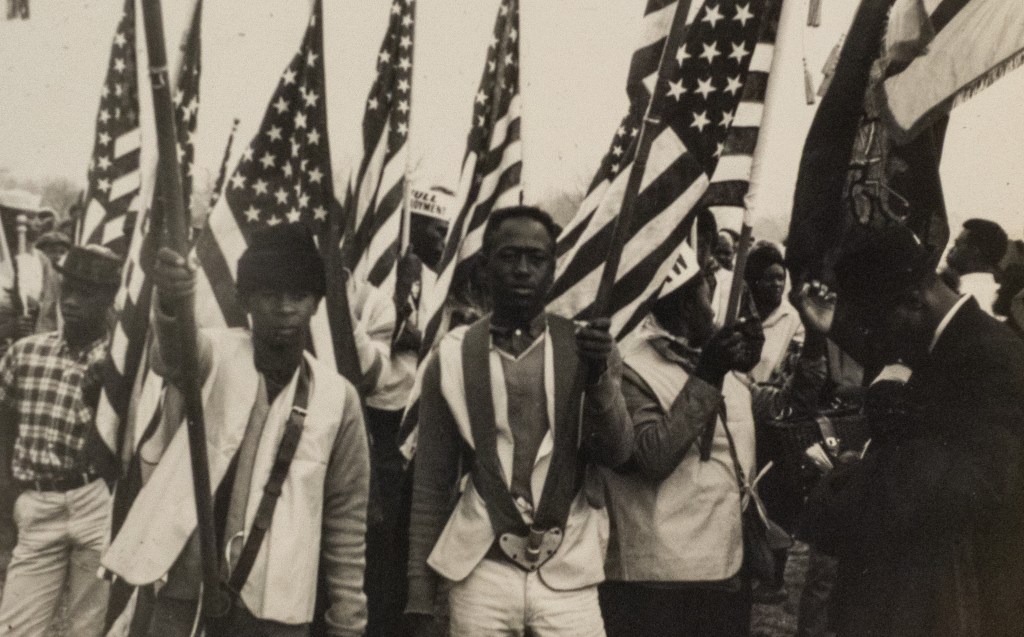
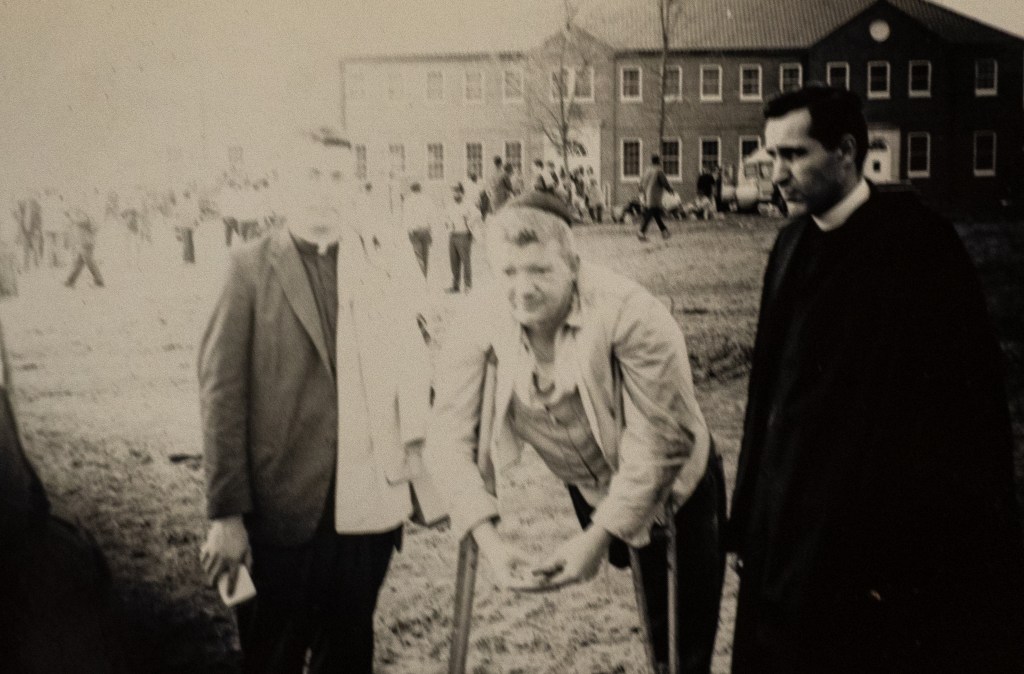
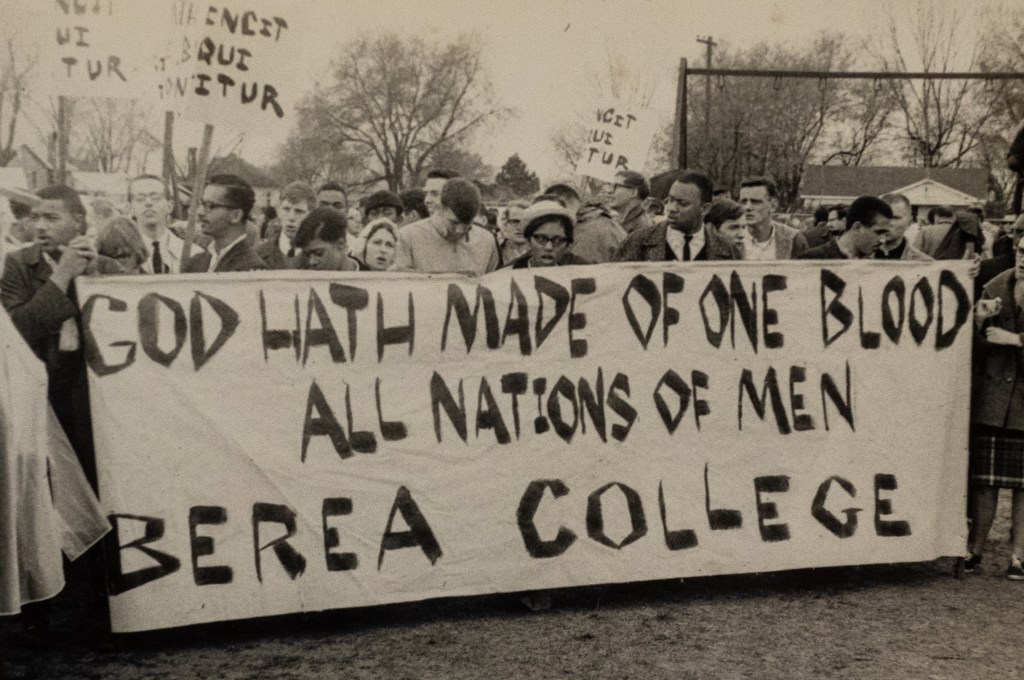
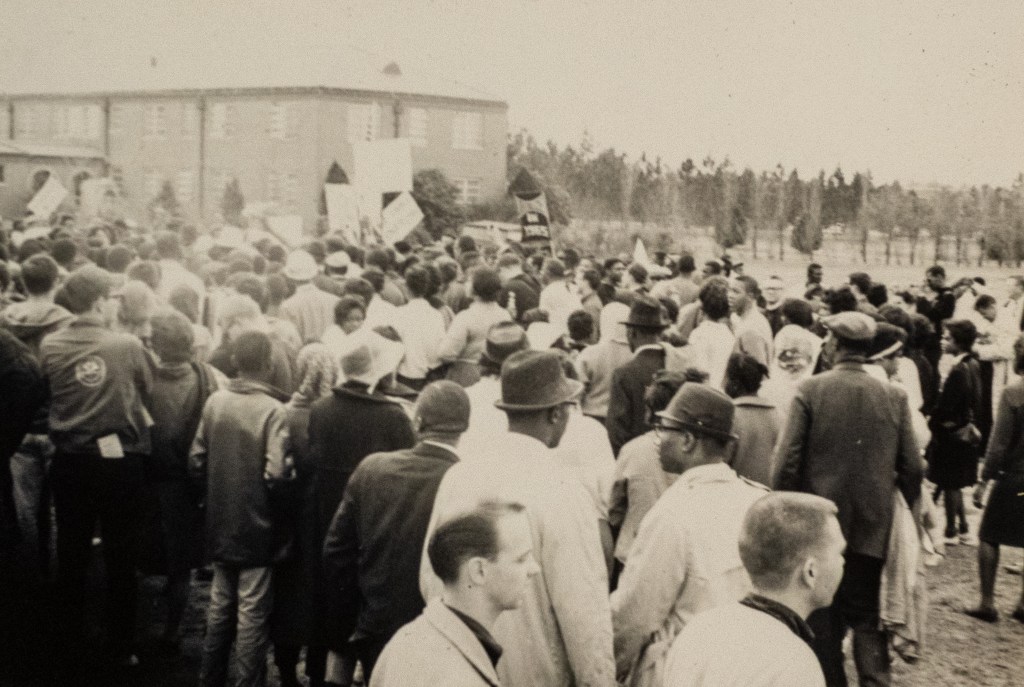
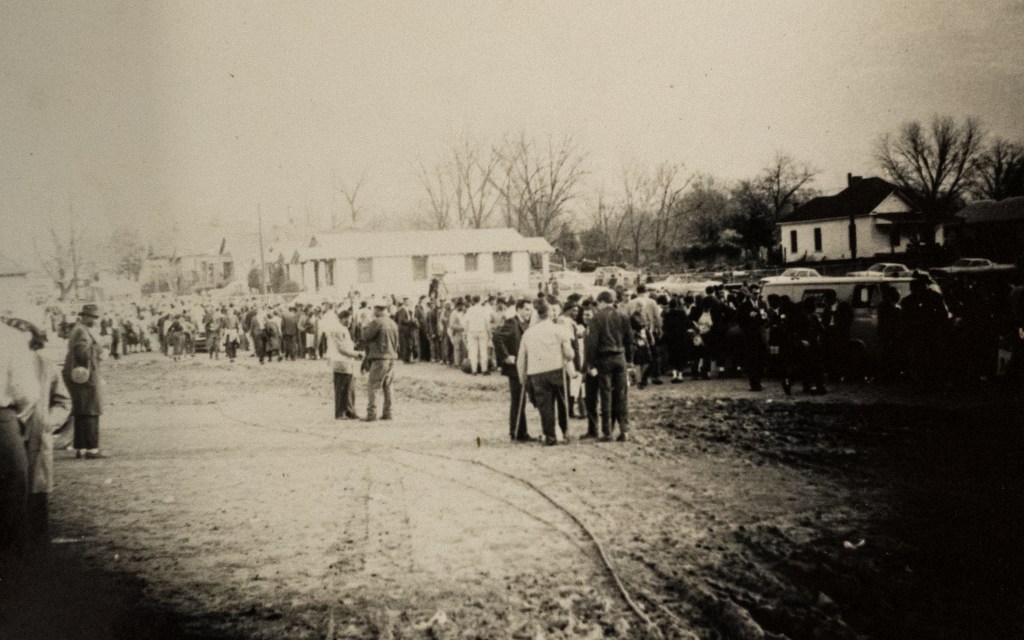
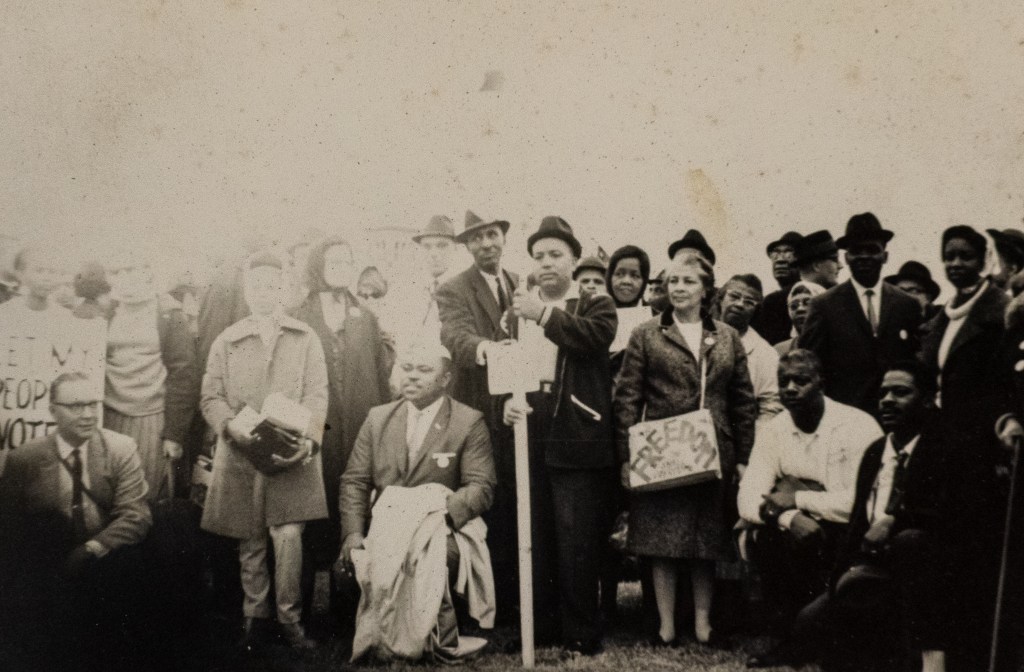
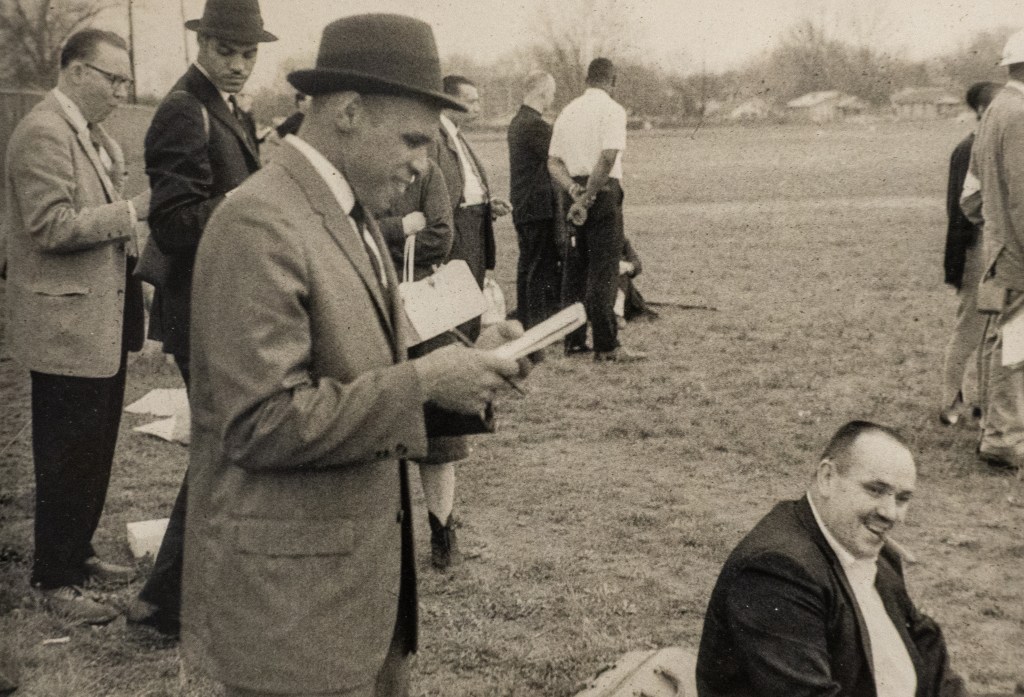
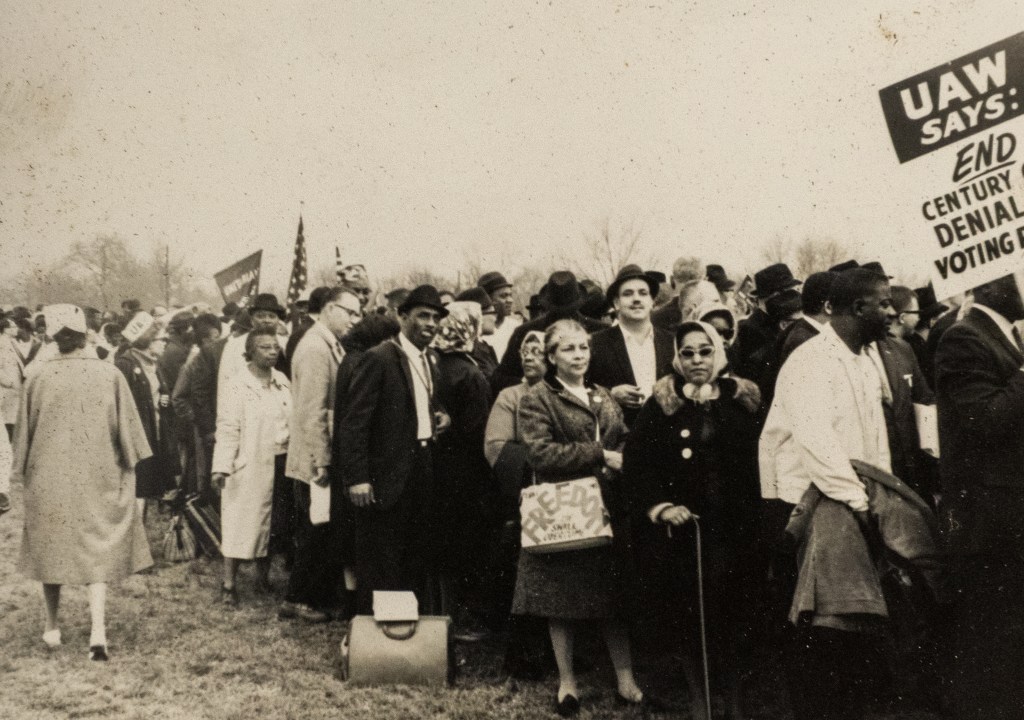
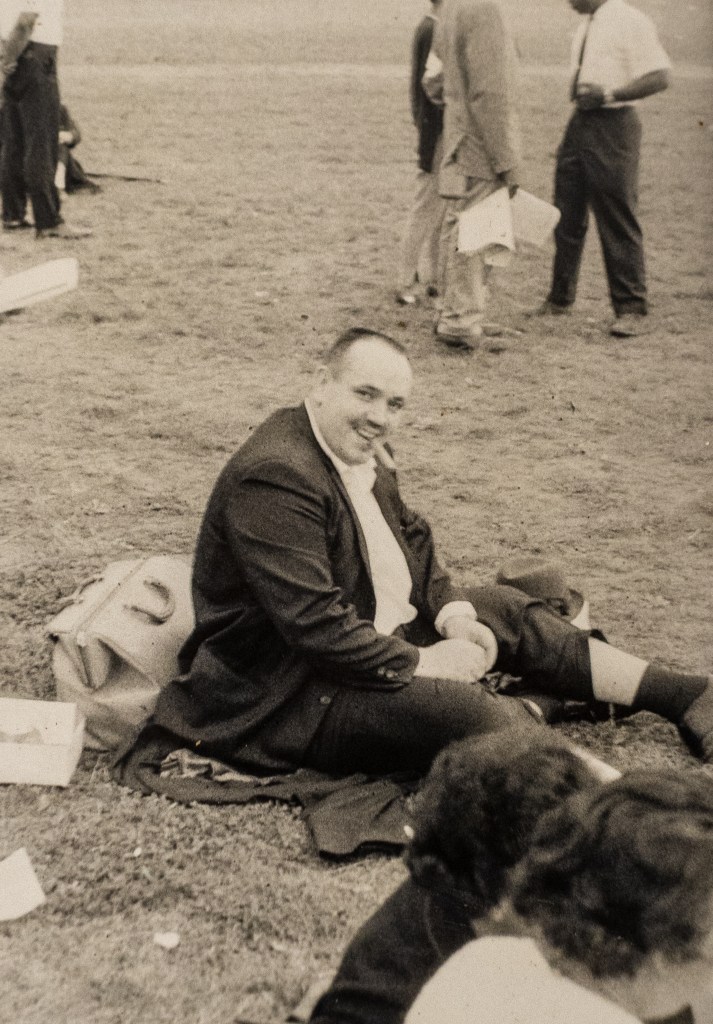
This week, we were fortunate to receive a treasure trove of local civil rights history in the form of a scrapbook that belonged to the late Don Haley, a well-known business owner in the community for many years who also served as a Genesee County Commissioner.
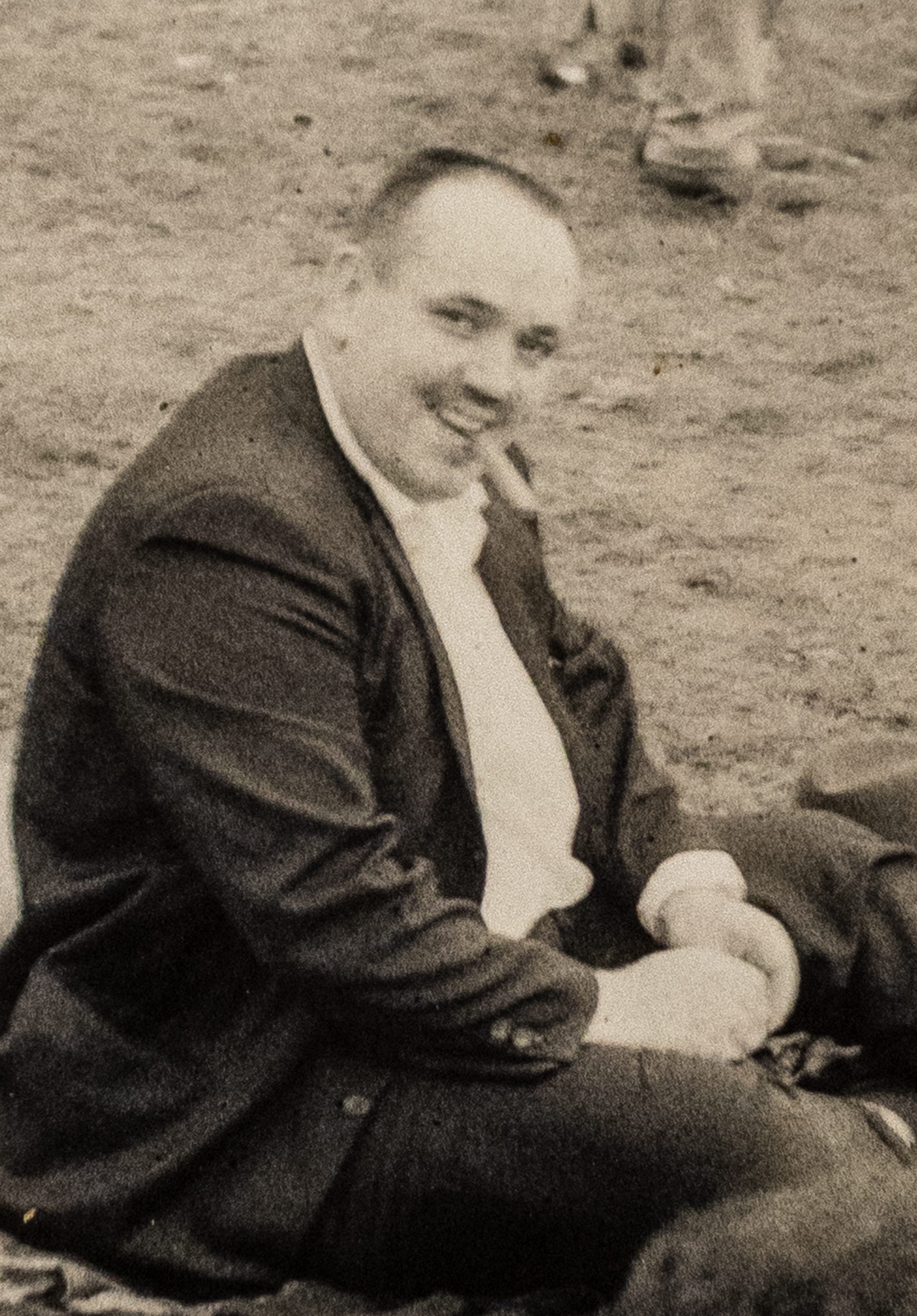
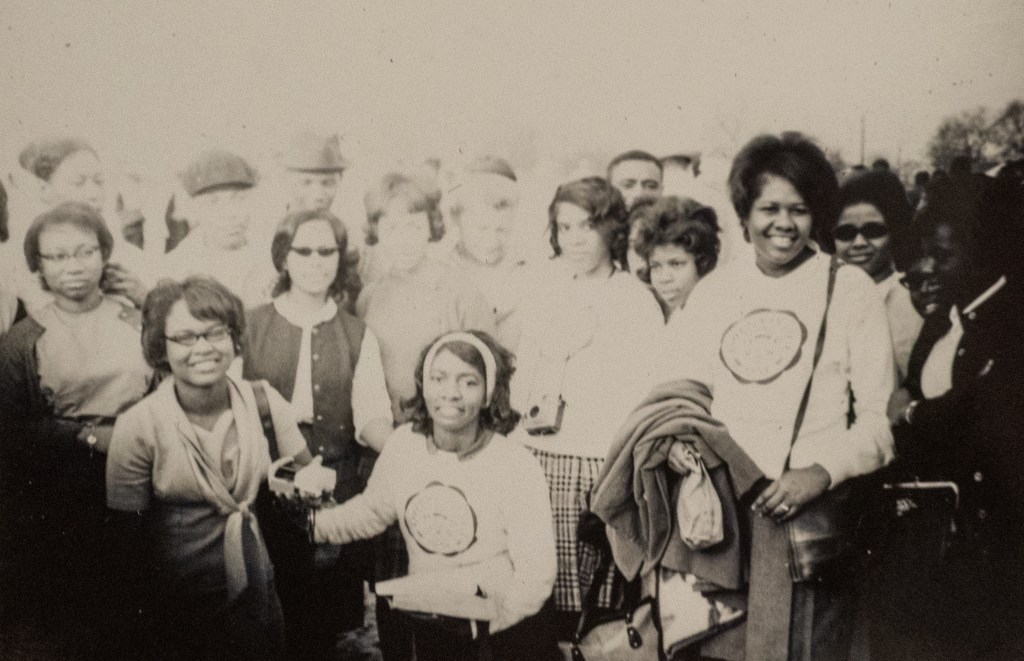
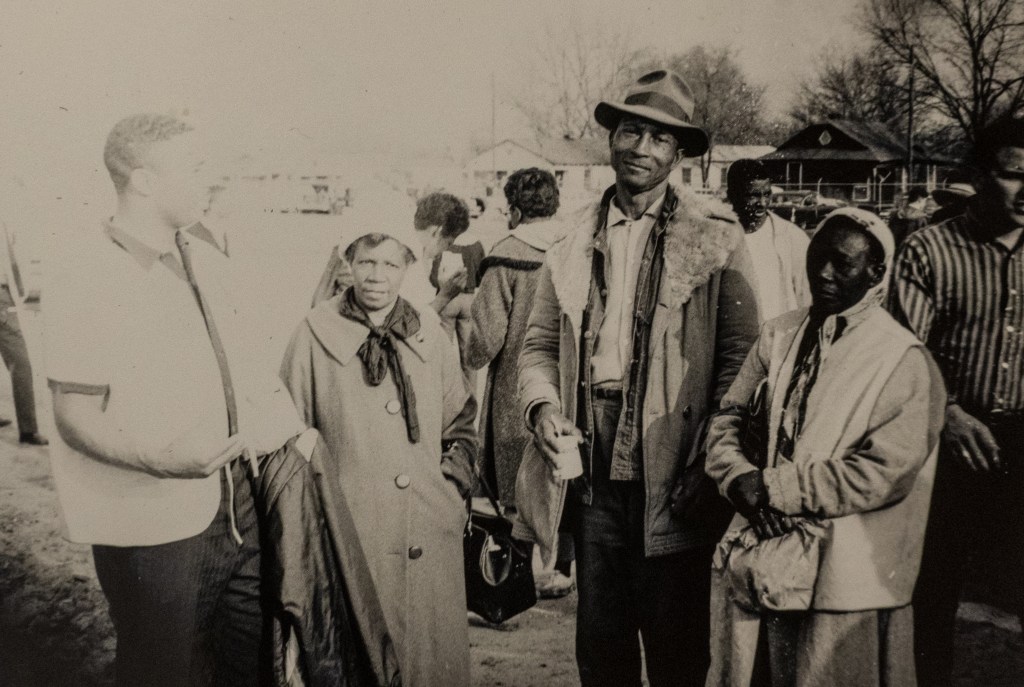
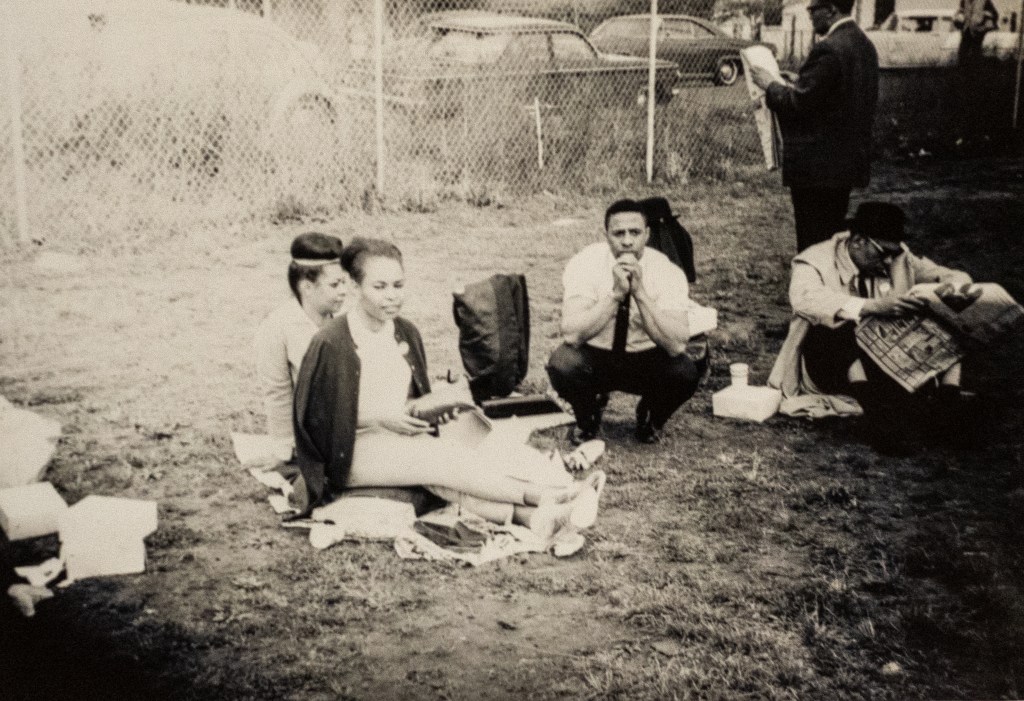
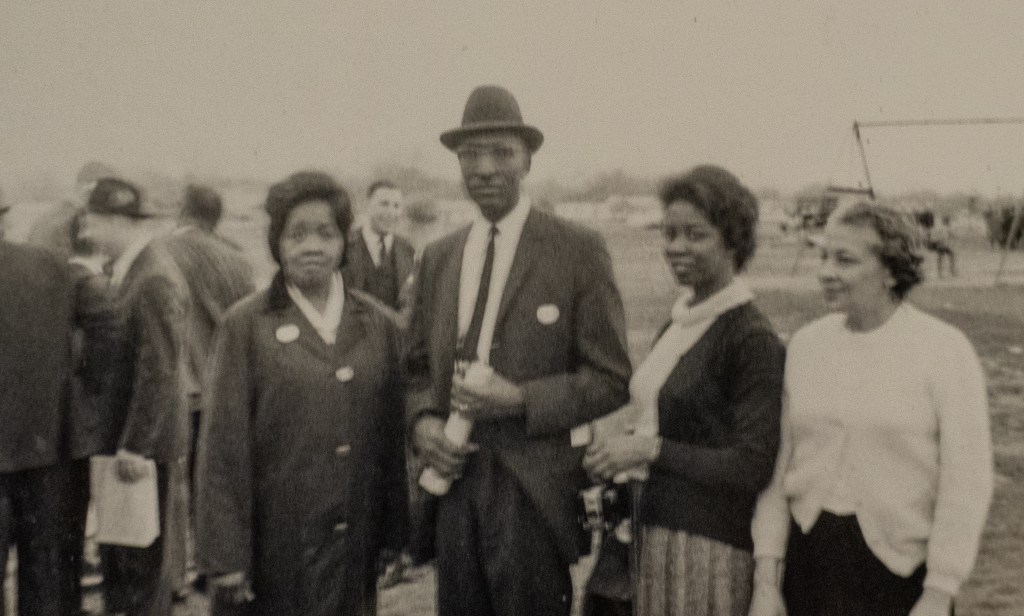
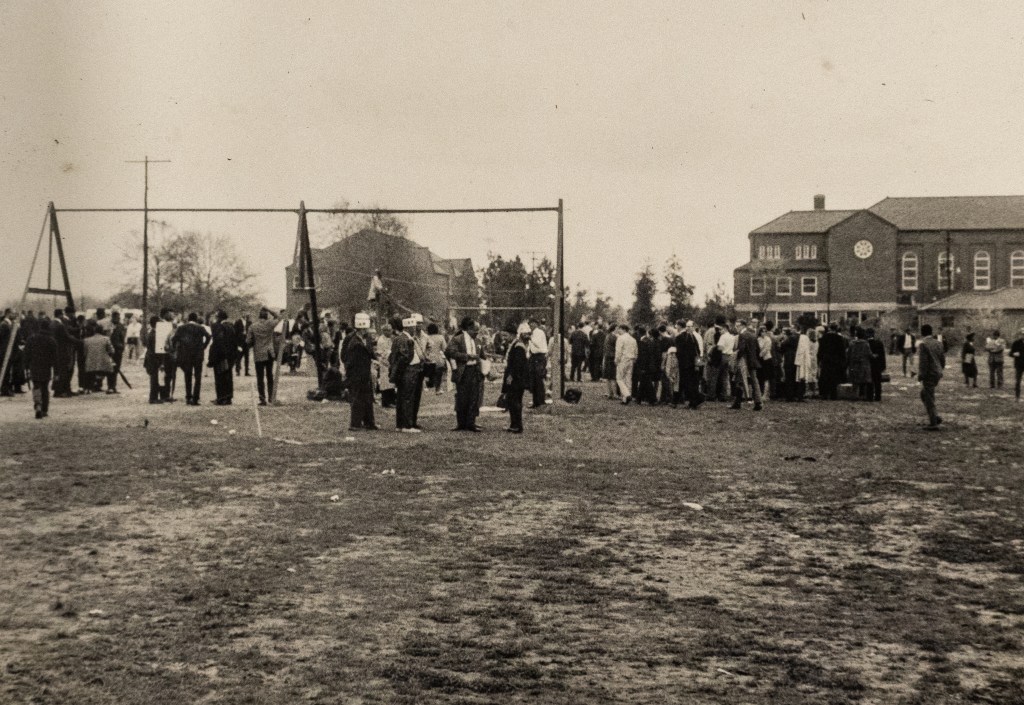
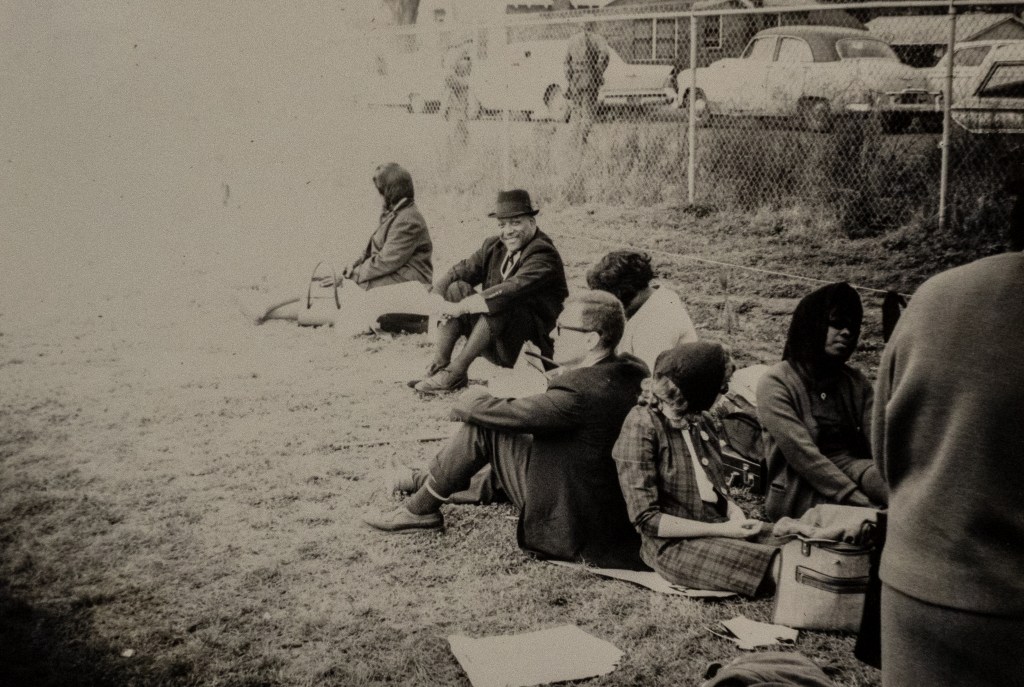
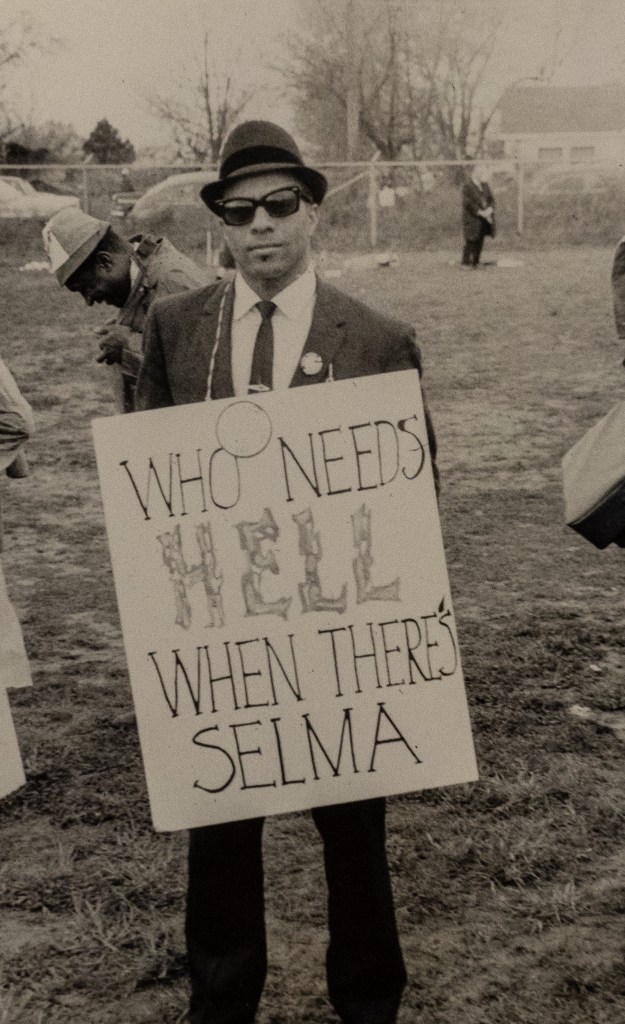
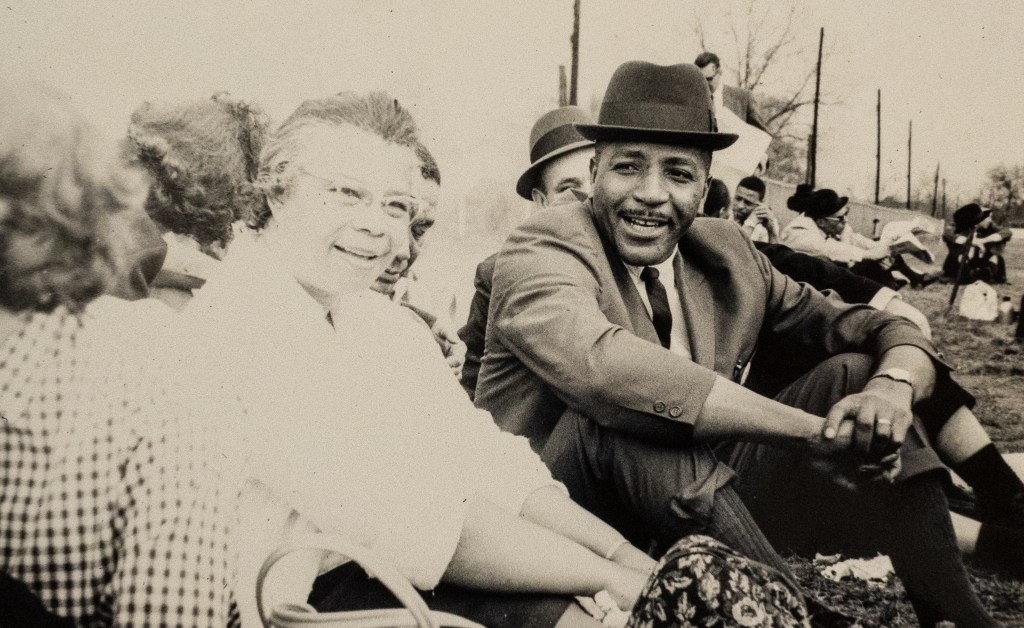
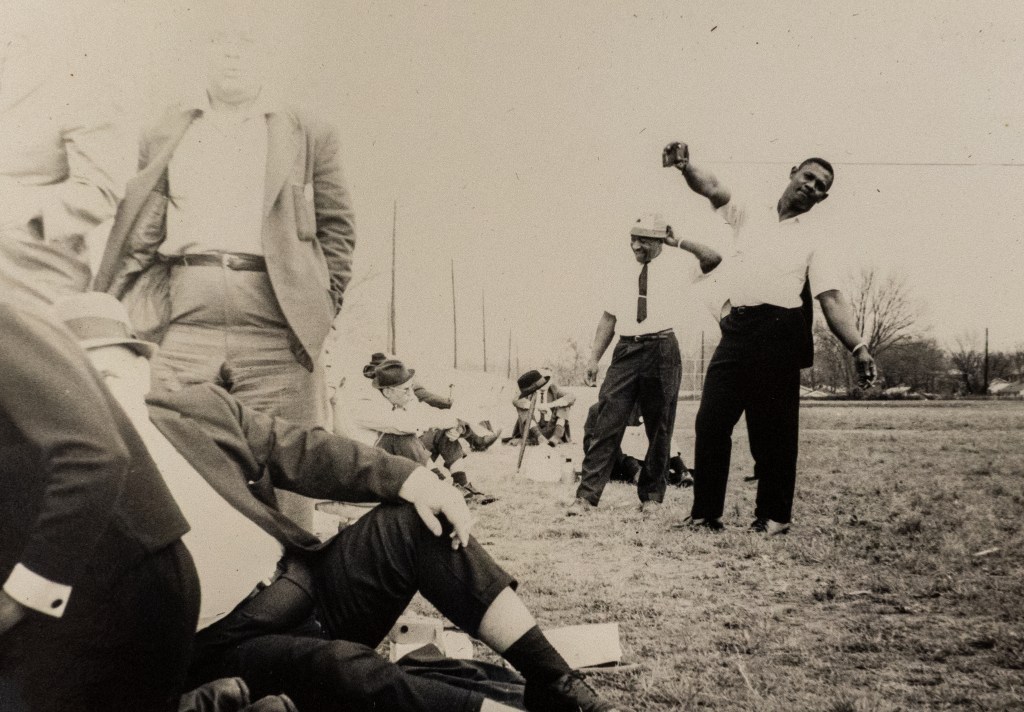
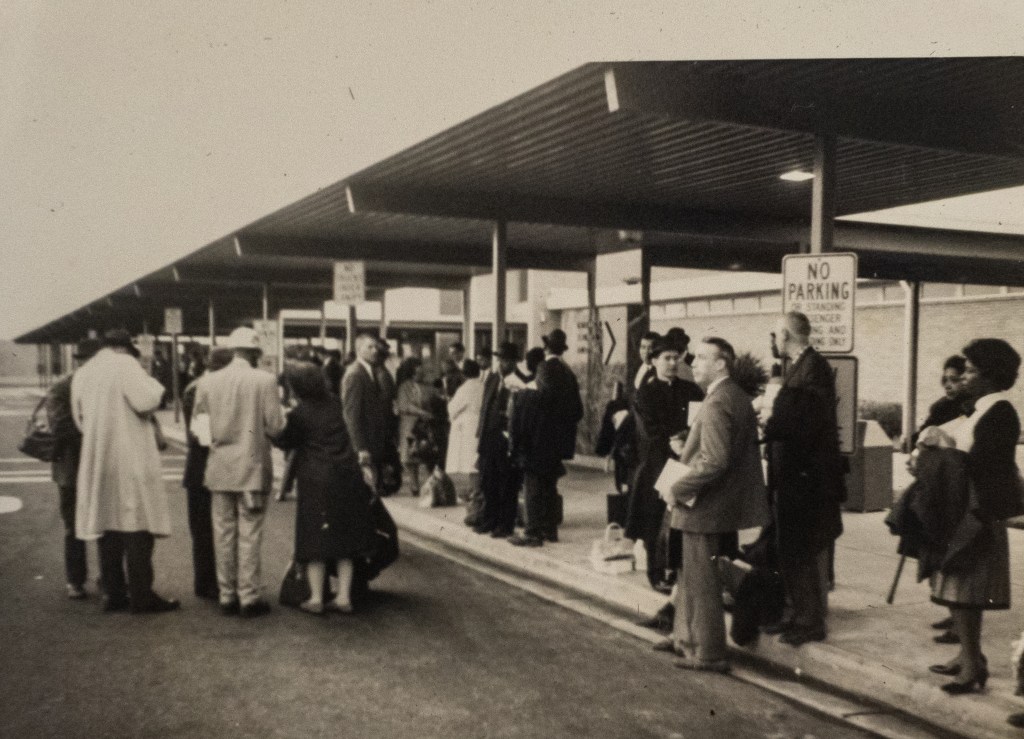
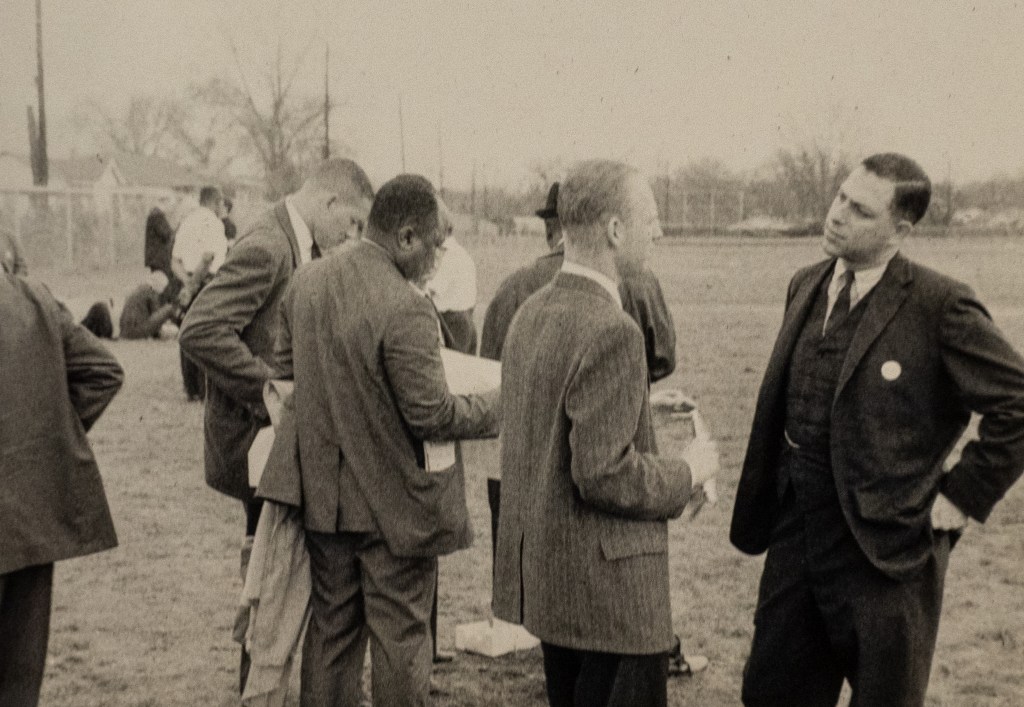
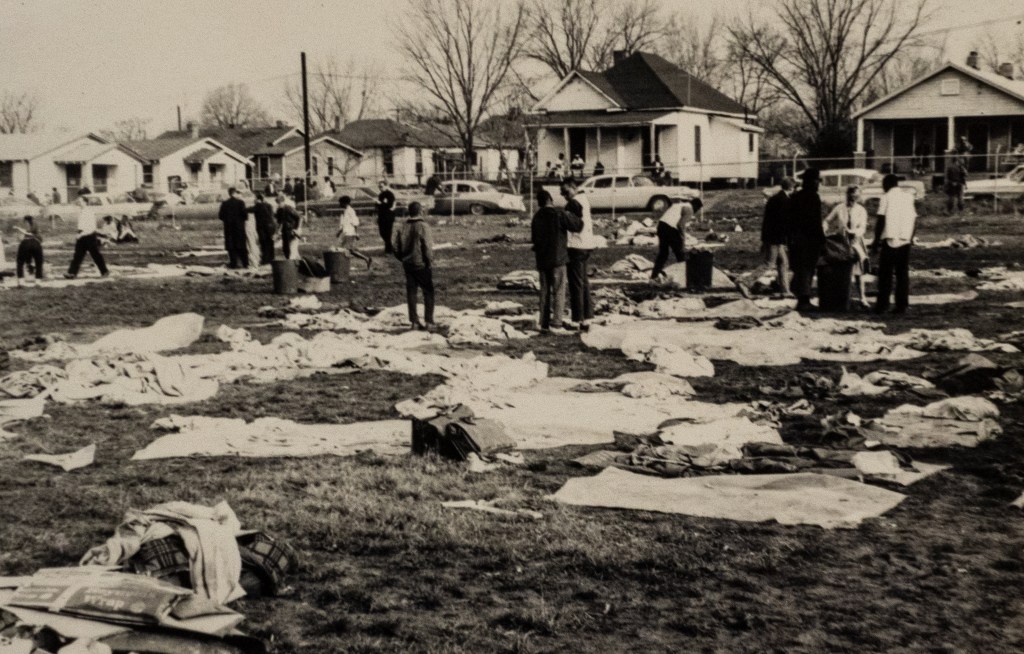
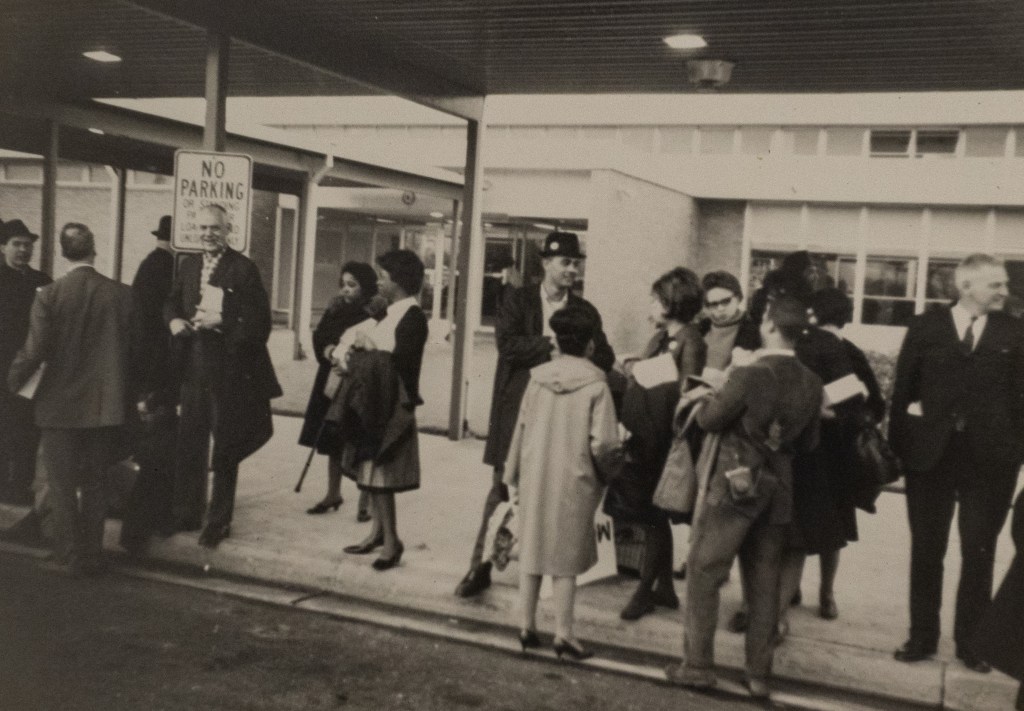
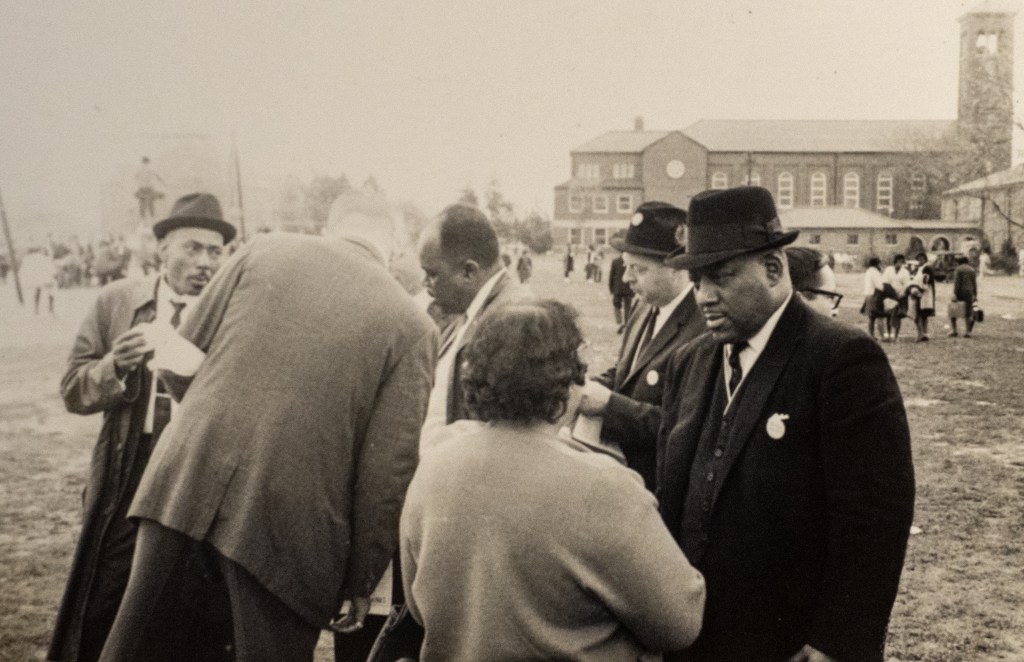
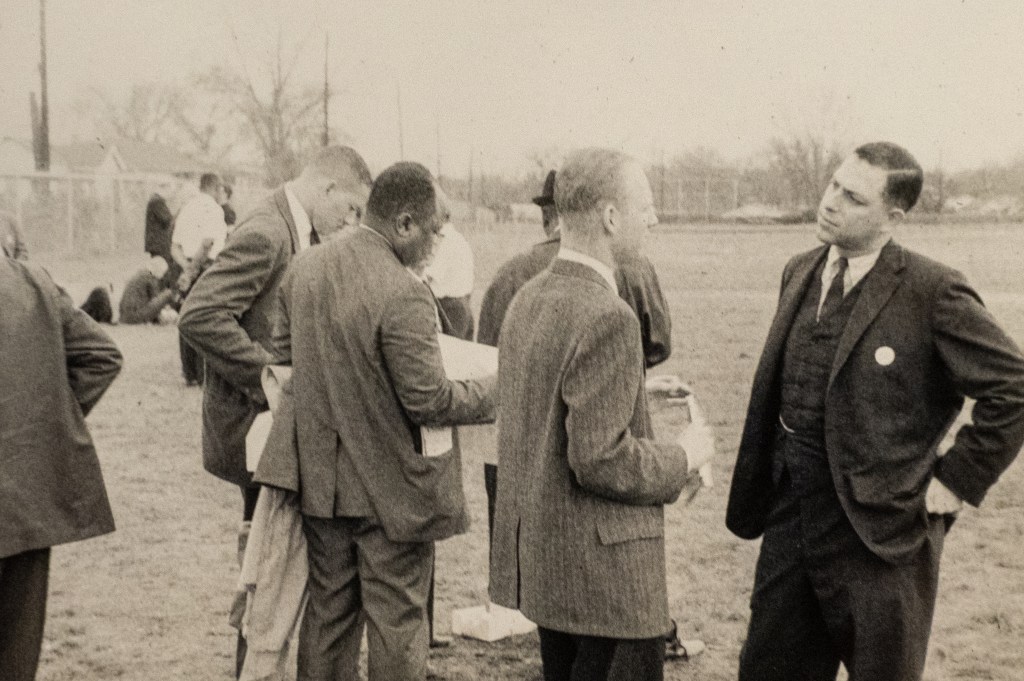
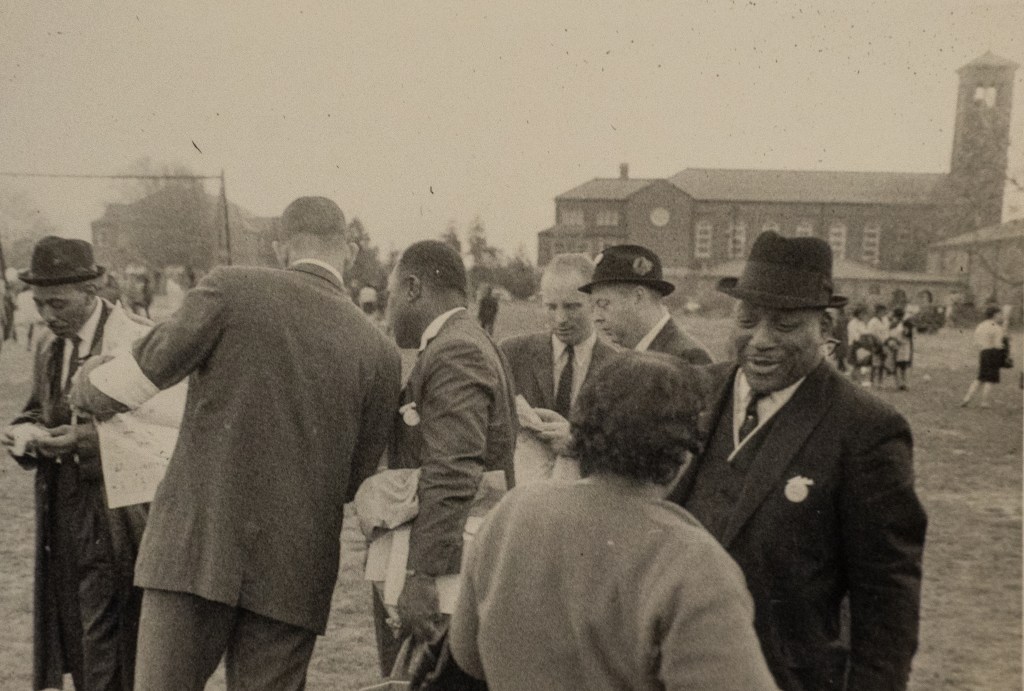
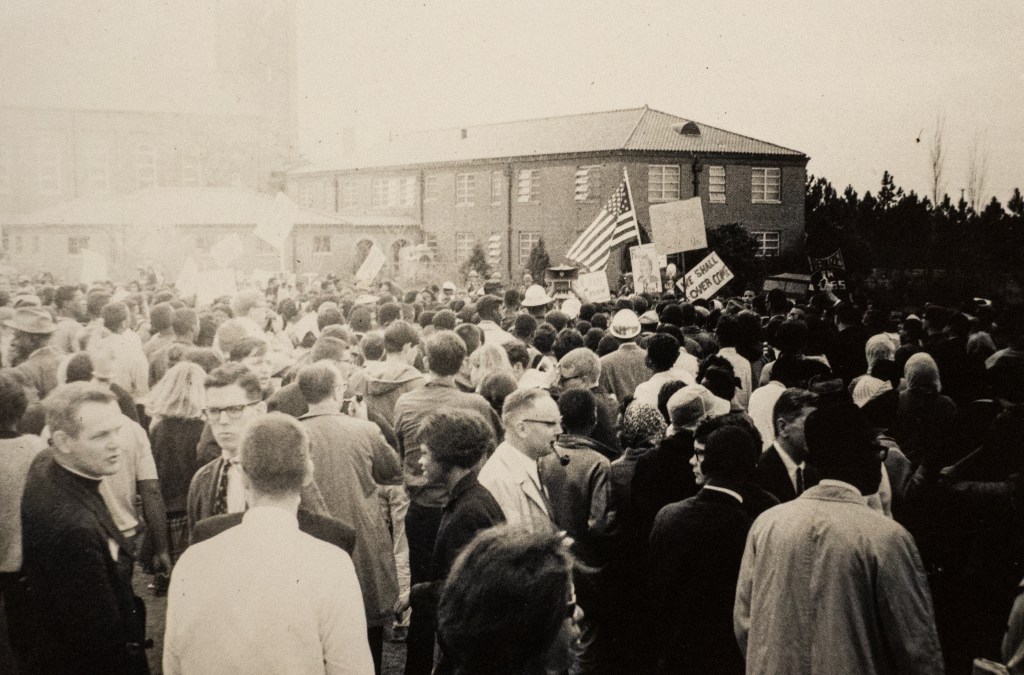
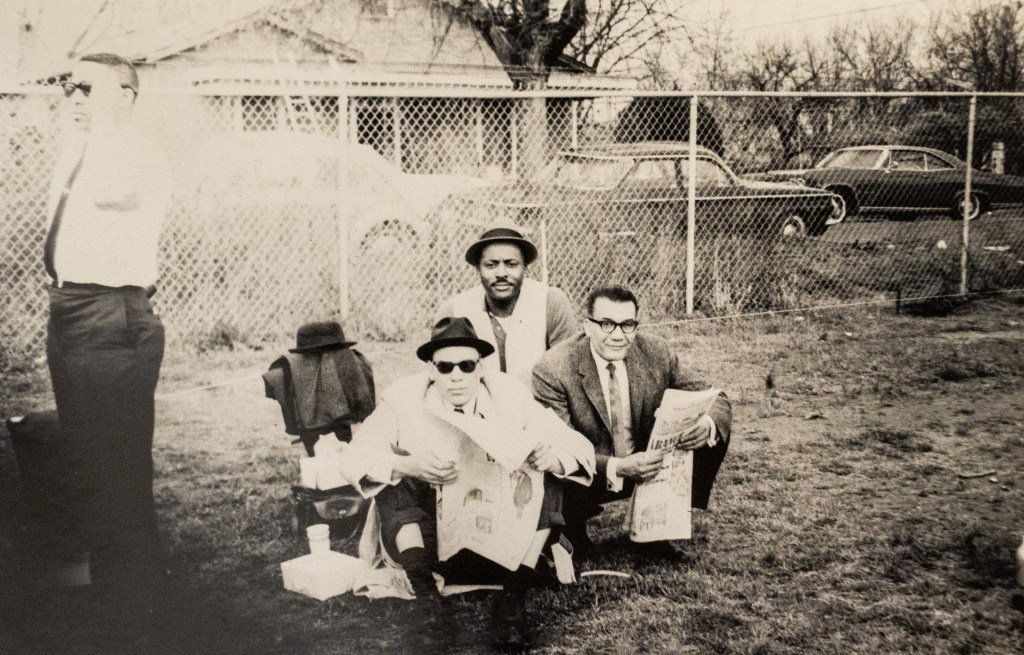
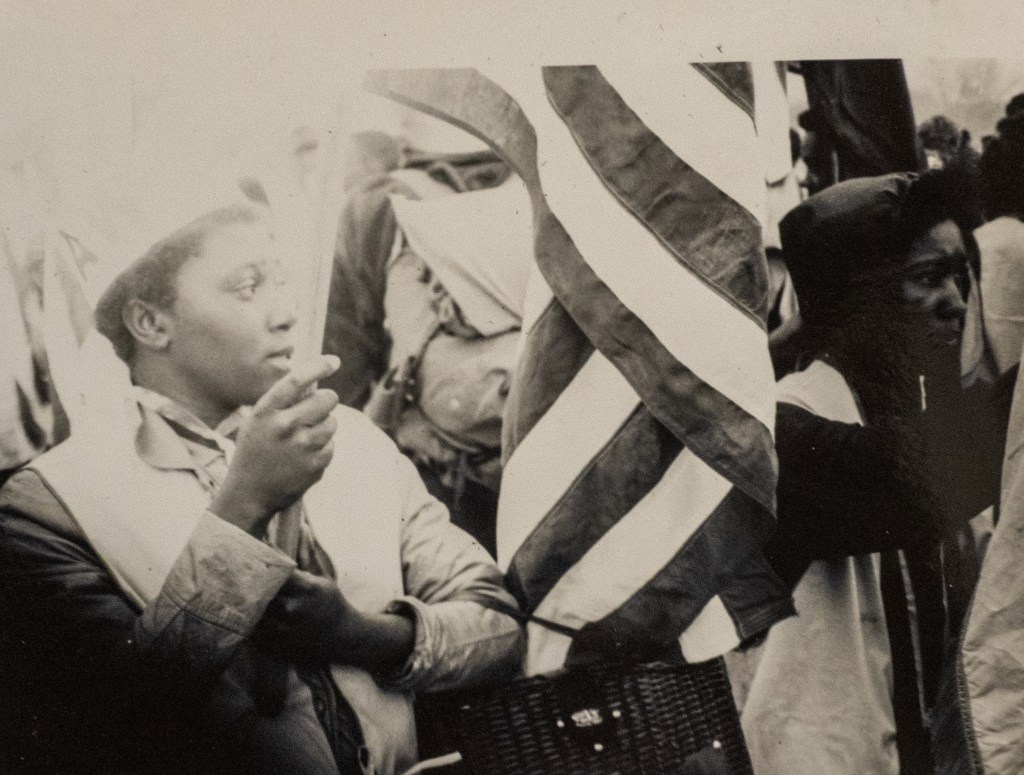
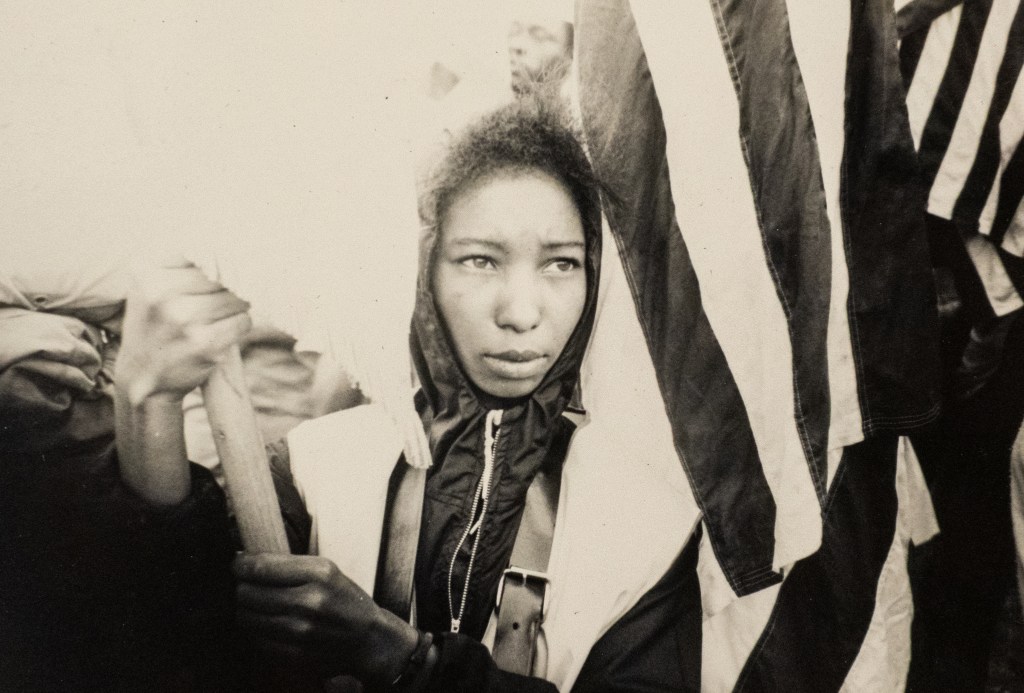
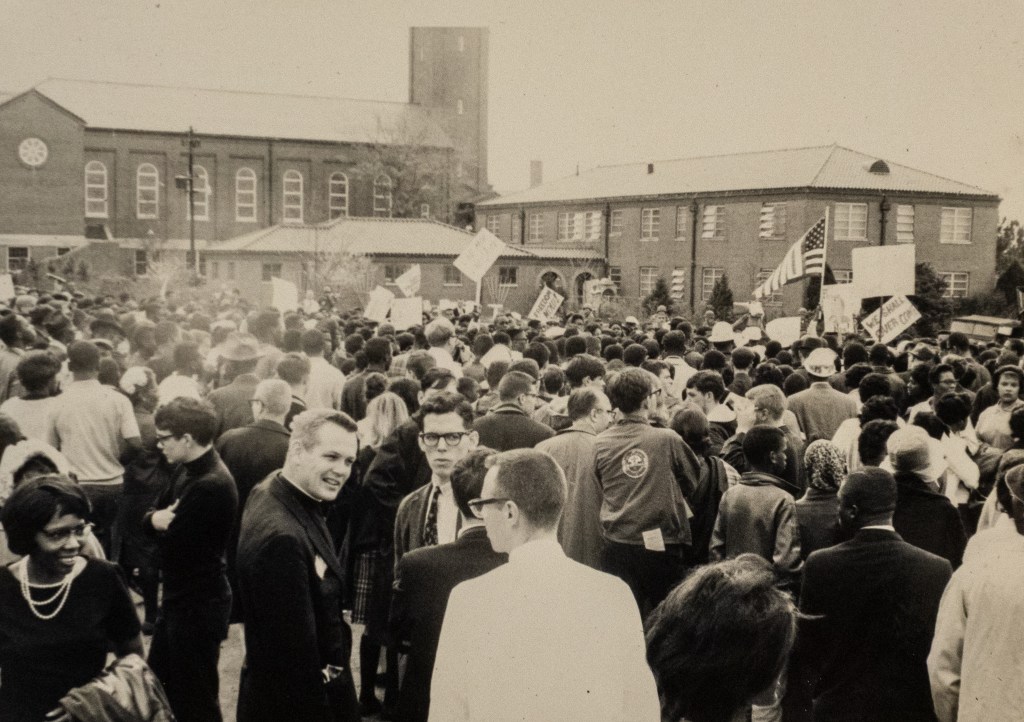
The cover of the scrapbook reads: Don Haley, March 25, 1965 — Montgomery, Alabama. His daughter, Joann Herman, is a Public Health Nurse Coordinator for the Genesee County Health Department. She kept her father’s scrapbook after his passing, noting the historical import of the images developed upon returning home from the historic 54-mile march from Selma, Alabama to Montgomery.
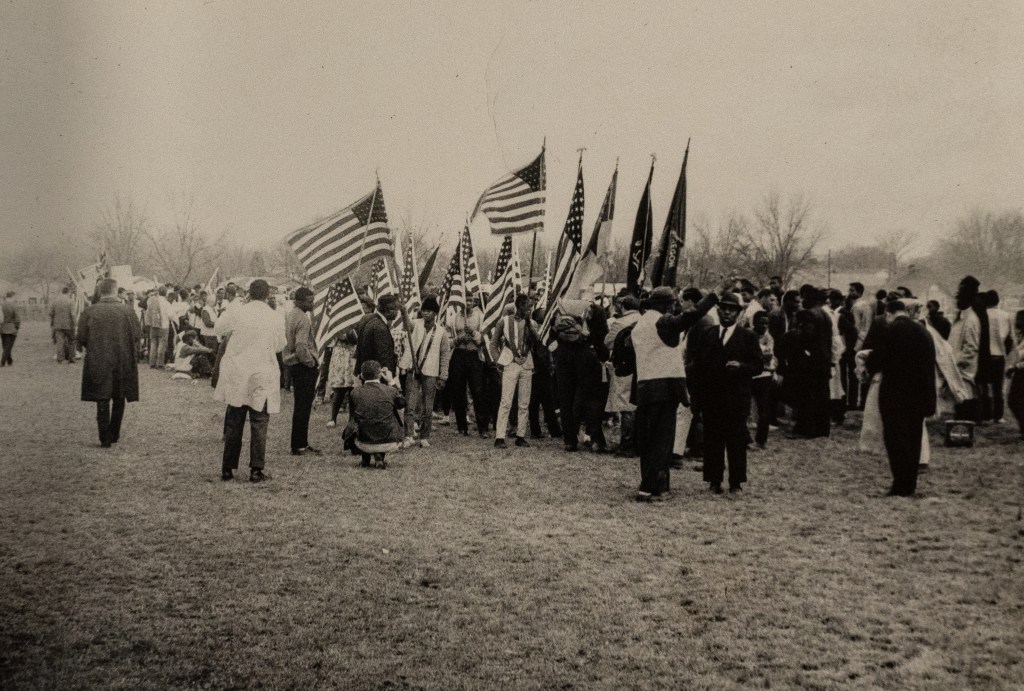
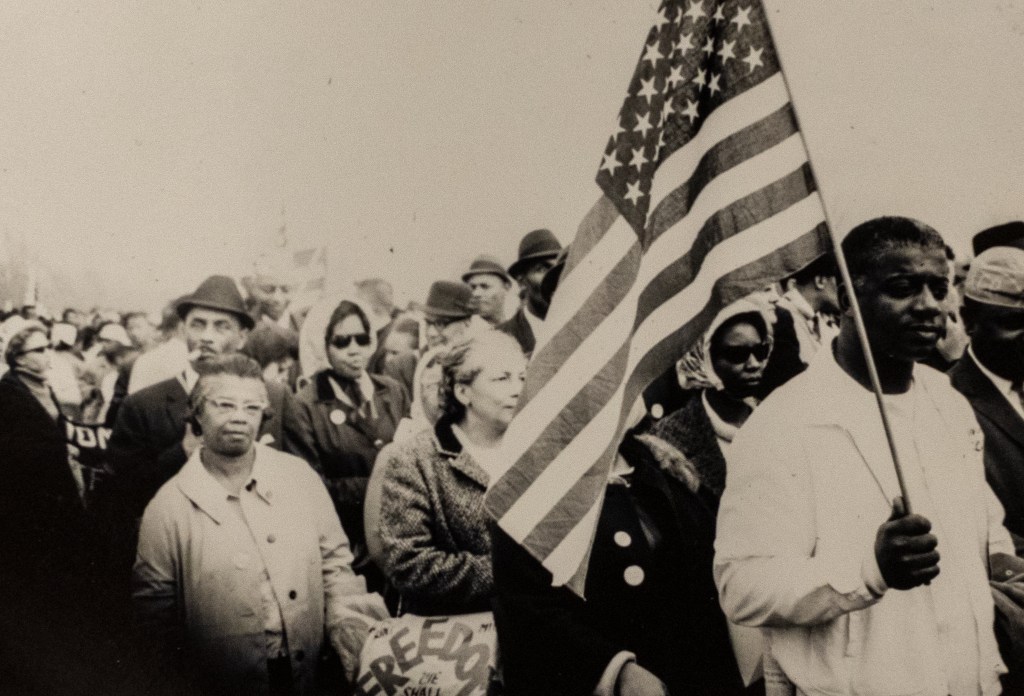
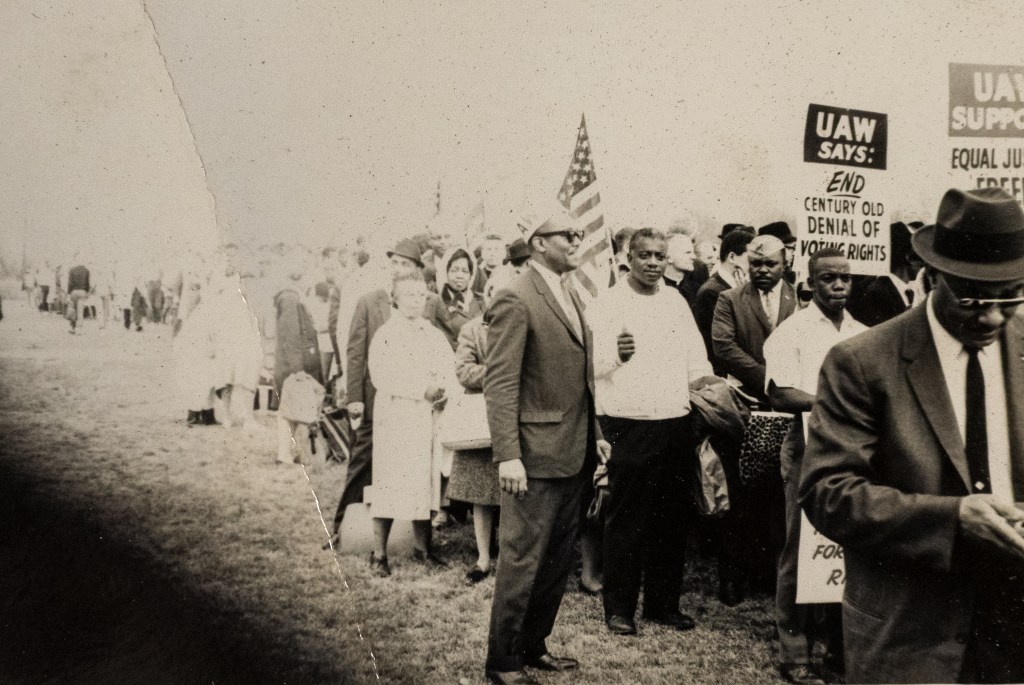
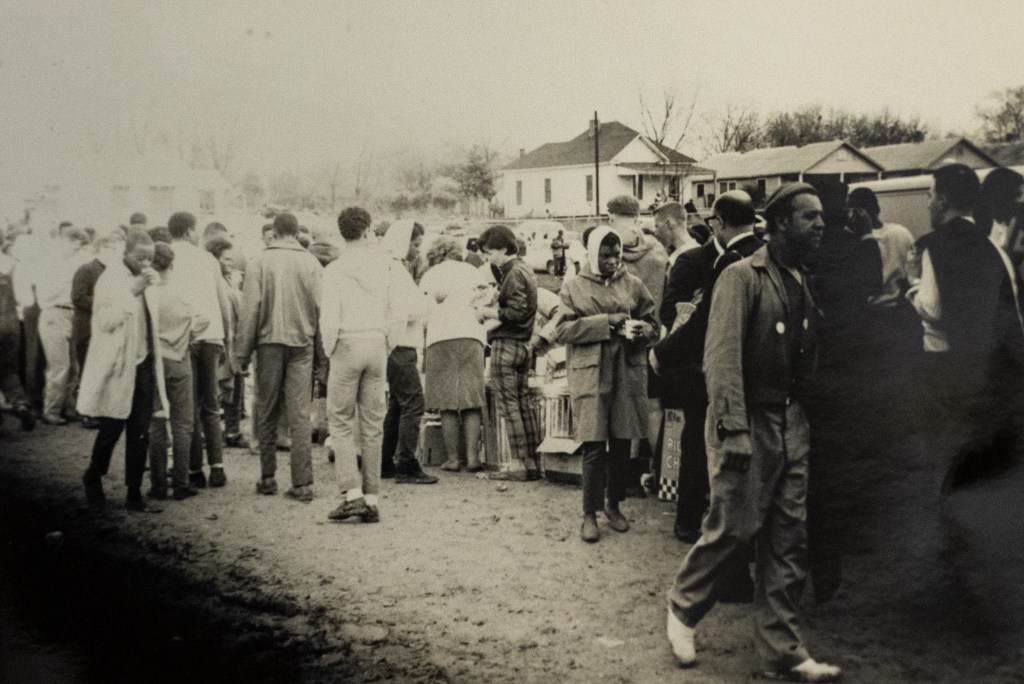
Haley marched shoulder to shoulder with as many as 8,000 people, including 78 Genesee County residents, in what was the third march of its kind in March of 1965. Unlike the others, this one did not end in violence or with threats of violence; it successfully ended at the steps of the Alabama State Capitol Building in Montgomery, protected by federalized National Guard troops. On the steps of the Capitol, Dr. Martin Luther King, Jr. gave his famous “How Long, Not Long” speech before a crowd that had swelled to 25,000.
The speech is remembered as one of the most powerful and poignant in American history, and yet, as you will read in the article transcribed below, the lasting memory among many from the experience was not the speech, but their many confrontations with hate and prejudice along the way.
Though a majority of the Jim Crow laws that discriminated against Black Americans had been made illegal under federal law by the spring of 1965, many were still being enforced (and the Voting Rights Act wouldn’t be signed until the summer).
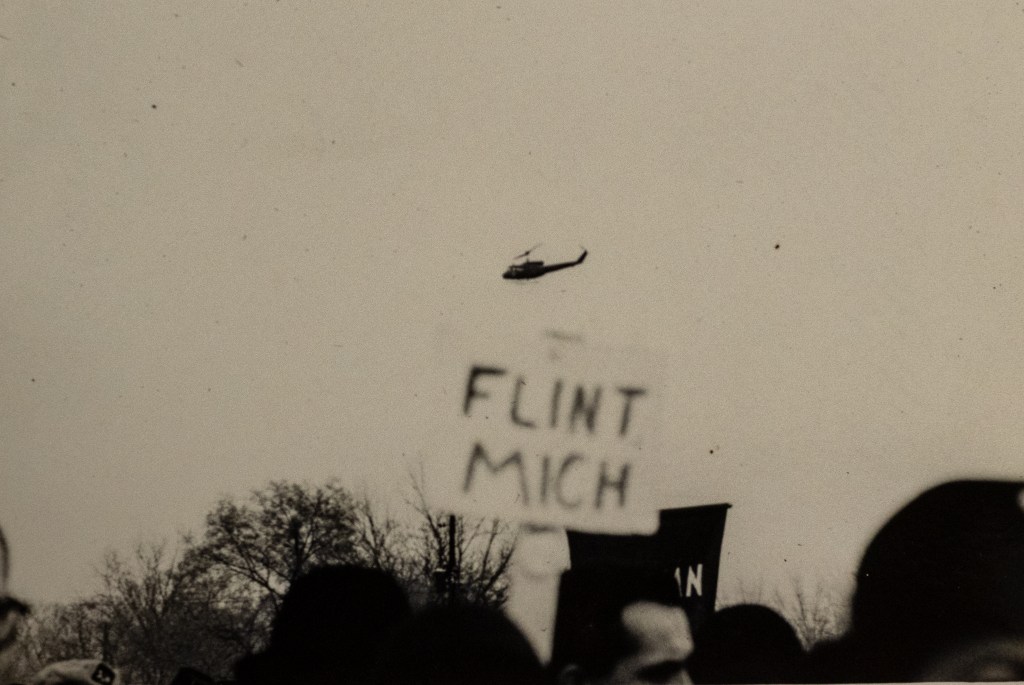
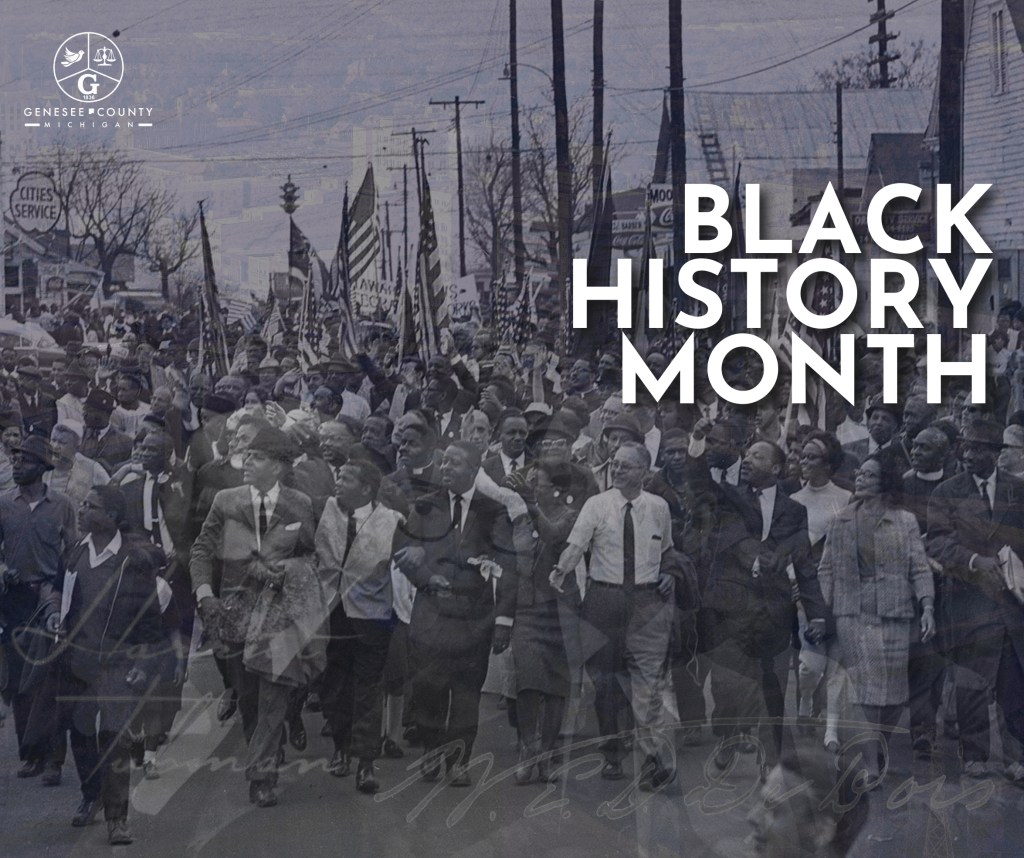
The focus of the march was to shine a light on the voter suppression endured by Black Americans. The march became a decisive turning point in the Civil Rights Movement and is often credited with helping build momentum for the Voting Rights Act passed just five months later.
On March 24, 1985, two decades after the march to Montgomery, the Flint Journal published a retelling of the march from the perspective of those who were there, including Don Haley, the Rev. Alfred L.C. Robbs, pastor of Christ Fellowship Baptist Church in Flint.
The article was transcribed from the newspaper clippings Haley had taped into his scrapbook:
Flint marchers heard King but felt the hate in Alabama
By JEFF SMITH
Journal staff writer
Twenty years have passed since nearly 80 Flint-area residents flew to Alabama to march in support of civil rights leader the Rev. Martin Luther King, Jr.
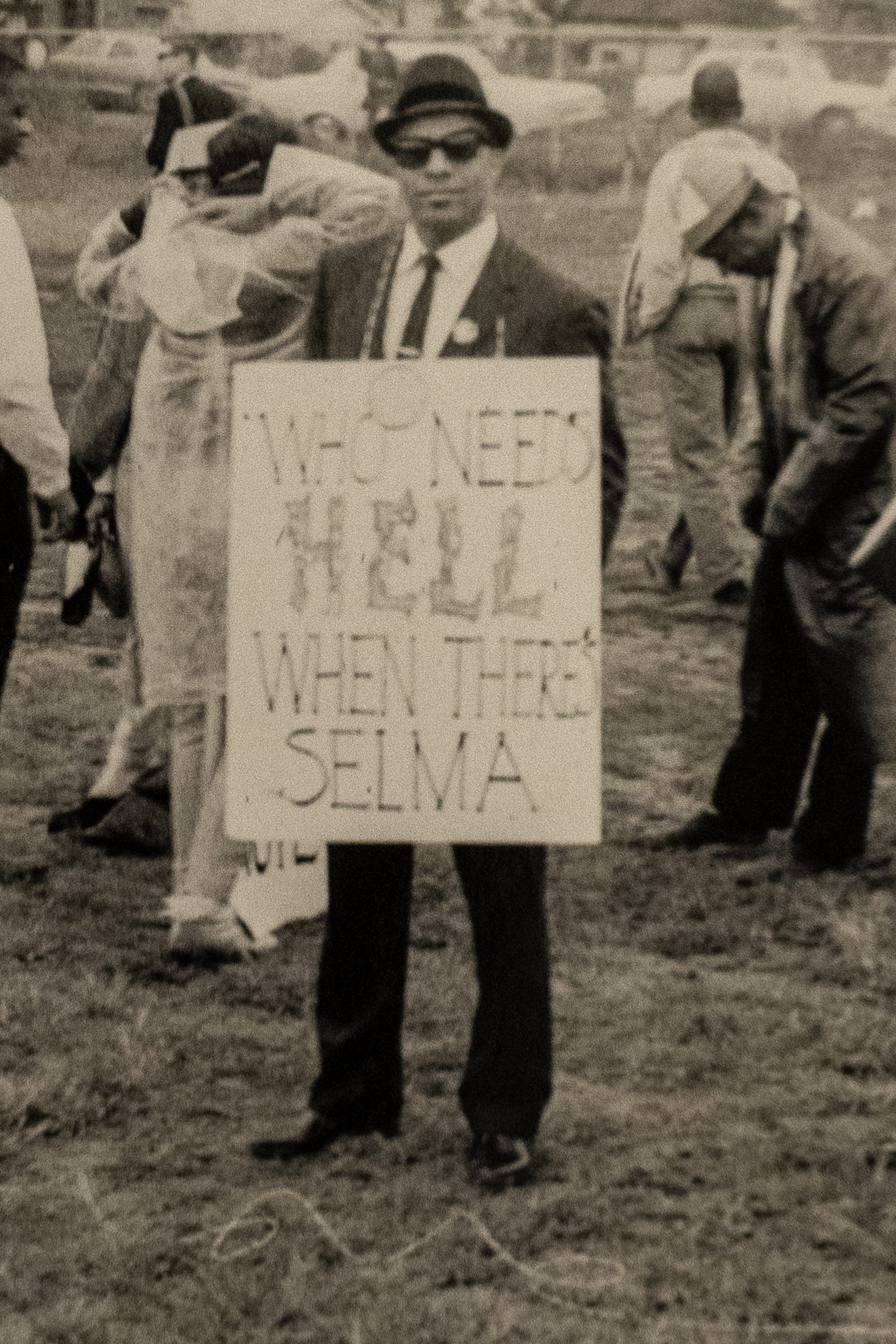
The three-day march from Selma to Montgomery was one of the most historic demonstrations of the civil rights era. Over the weeks after the march, the world’s attention was drawn to another march, a 54-mile journey from Selma to Montgomery to protest black disenfranchisement.
The first march was marred by violence when state police used tear gas and bullwhips in an attempt to stop the marchers from crossing the Edmund Pettus Bridge.
The Flint marchers, in coordination with leaders across the nation, traveled south to retrace the last steps of the earlier marchers along the route they were not able to complete in their struggle.
“When we boarded the plane to go down there, I didn’t realize the tension,” said the Rev. L.C. Robbs, pastor of Christ Fellowship Baptist Church. “But as soon as we got off the plane the tension was so high you could feel it.”
Robbs said his faith in God eased his tensions.
DURING THE MARCH, people threw rocks and bottles and attempted to hit, kick and spit on the marchers as they passed. The militia, as well as others who were sent to protect them, looked the other way.
The marchers, believers in peaceful resistance, refused to fight back.
The Flint group was organized primarily through the efforts of the local NAACP, the Urban League and the Flint Community Civic League. In addition to church, social and other organizations, the president of the Flint chapter of the NAACP, the Rev. Joseph Lowery, was among the organizers.
Other people, including community and political leaders — a total of 78 — were in the marchers’ ranks.
Harold Banks, NAACP national board member and administrative vice president of the Urban League, was among the leaders who helped organize the Alabama trip.
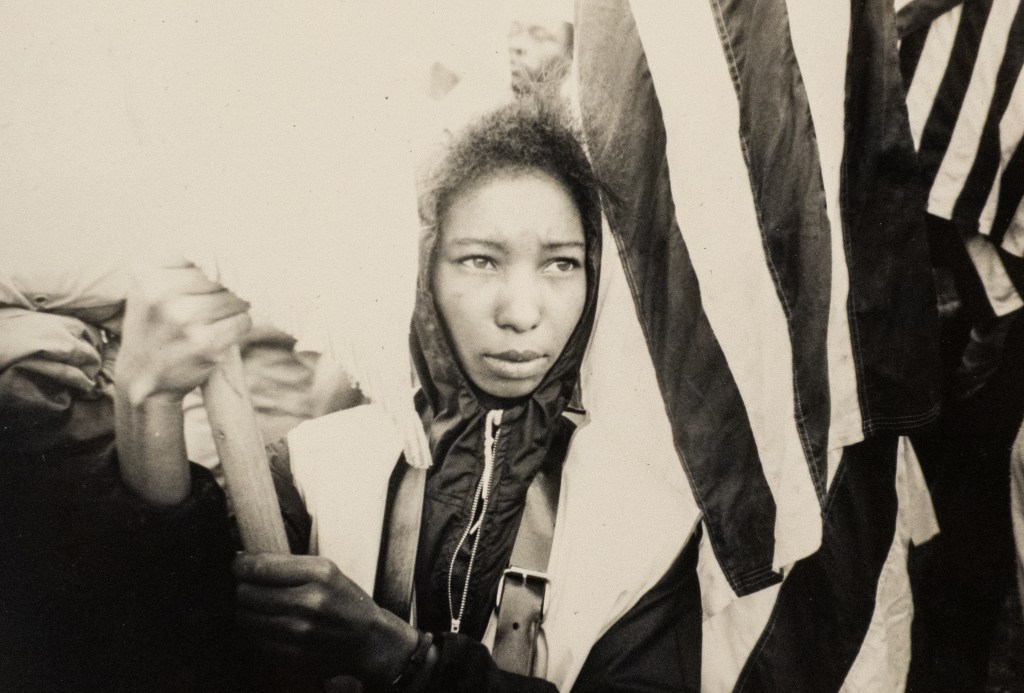
Several days before March 24, Alabama Gov. George C. Wallace defied orders by President Lyndon B. Johnson to protect demonstrators. Wallace vowed to maintain Jim Crow by promising “segregation now, segregation tomorrow, segregation forever.”
JOHNSON RESPONDED by federalizing the Alabama National Guard and ordering the troops to protect the demonstrators, he said. Despite this action, some marchers admitted to being fearful.
Upon arriving that morning in Montgomery, a priest invited the group to the state capital, where they gathered in a Catholic church to start the journey to the state capital, where King was to speak. Don Haley, a local white businessman, stood with the group and identified himself as a friend of some of the organizers of the march.
“It was an opportunity to prove his support for civil rights,” Robbs said. “Blacks used to help every time they wanted help; people shied away.”
However, whites were far outnumbered by blacks, they had to withstand hecklers and other threats along the route.
“I remember vividly that a man broke out of the crowd, ran right into us and got in front of a woman (a white nun) and spat right into her face. And she didn’t move, she didn’t move a muscle. Kept right on marching,” Haley said.
WHILE THE marchers had gone to Montgomery to hear the man many regarded as the leader of the civil rights movement, many confess they could not recall his speech. Instead the symbol of resistance of some Southern whites is what stands out in their minds.
“When they got to the capitol, the confederate flag was flying everywhere including the flagpole where the U.S. flag is usually,” Harvey said. “In fact the U.S. flag was nowhere to be seen except in the crowd with the marchers.”
Harvey had watched the gathering on television. He had remained in Flint to maintain the lines of communication between the demonstrators and the state.
Hightower remembered a young, white woman who stood near him as he listened to King speak. She expressed concern for a black child who was sleeping on the grass, he said.
She then asked for a drink of water out of his canteen. When he reached for a cup to pour the water in, she took the canteen from his hand and drank from it.”
The woman was Viola Liuzzo, a Detroiter, who was fatally shot by whites that night as she drove a marcher to the airport.
HIGHTOWER LEARNED of her name and death that night through a television news broadcast during which her photo was shown. He was waiting at the Alabama airport along with the entire Flint group.
The airplane, which the marchers had chartered, had been grounded shortly after the landing because of a malfunction, Hightower explained. Officials at the airport had refused to sell the mechanic the necessary parts, so the Flint residents were stranded.
Aggravating the situation was group of angry whites standing outside the airport gate.
Hightower placed a phone call from a telephone booth to Vice President Hubert H. Humphrey and informed him of the dilemma. A call also was made to Harvey who in turn contacted U.S. Sen. Philip A. Hart, D-Mich.
From the White House, Hightower speculates, Michigan’s Republican Governor George W. Romney was called and he in turn called Wallace.
On March 25, a U.S. Army transport plane arrived at the airport to bring the Flint residents back home that evening.
THAT YEAR, Congress approved passage of the Voting Rights Act, eliminating literacy tests and poll taxes, which discriminated against blacks.
The recognition of the economic power of black Americans by white businessmen is what Hightower believes to be a major factor in removing Jim Crow laws from the books.
Blacks with the money can now patronize hotels, restaurants and theaters, where they once were turned away, he said.
To gain economic, social and political equality with whites, Hightower urged blacks to “stop being consumers and start being investors.”
While most of the more blatant barriers of institutional racism have fallen in the last two decades, for some march participants, the struggle for racial equality must continue.
“(THE EFFORT) nationally, is to turn back the clock back so that black people in the last few years have been in a holding position,” said C. Frederick Robinson, a lawyer.
“Nobody is talking about conquering new worlds. They’re trying to hold on.”
Though all agree that blacks have a long way to go before achieving parity with whites in American society, they also admit that major strides have been made.
Robbs, who went to Alabama in the 1970s for a convention of the National Baptist Congress of Christian Education, said the white people there expressed sorrow for what had happened. “It was as if somebody had turned on a light in a dark room.”
End
Black History is American History. We must never forget where we came from as a nation; we must remember that every ounce of progress came about because of the sacrifices made by those who had the courage to march against the threat of violence, and those who chose to ally themselves with the noble cause of freedom and justice for all.
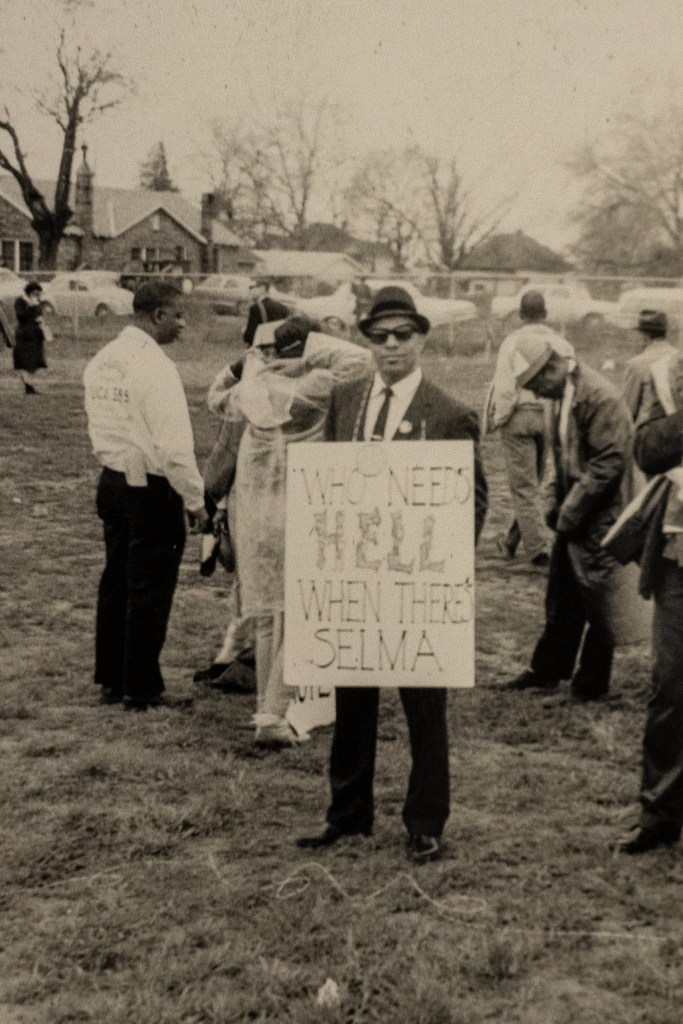
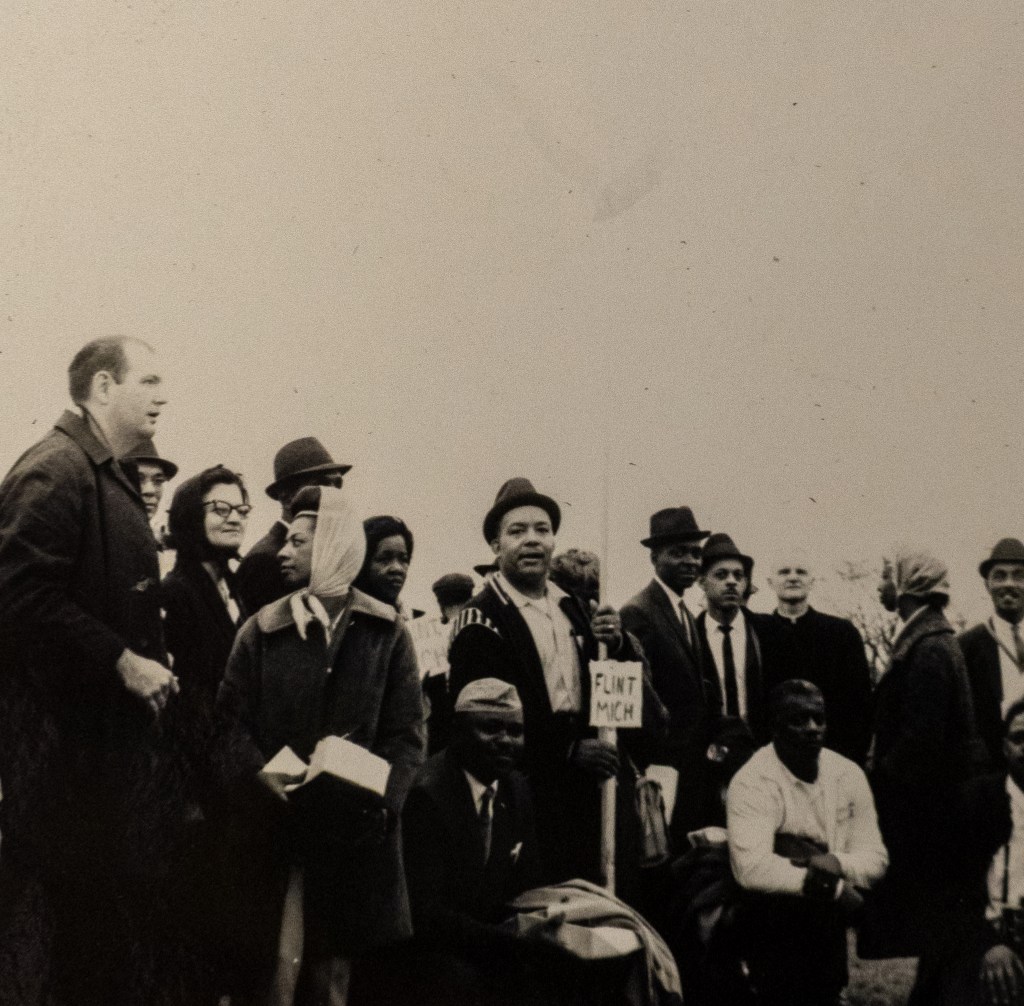
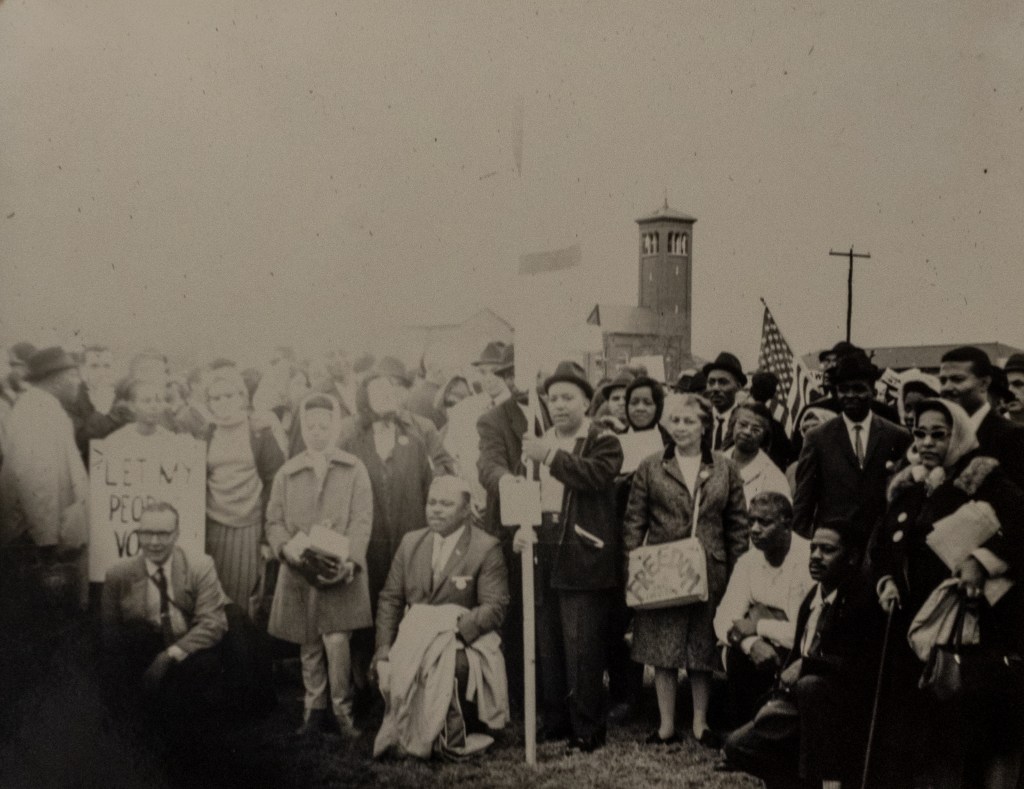
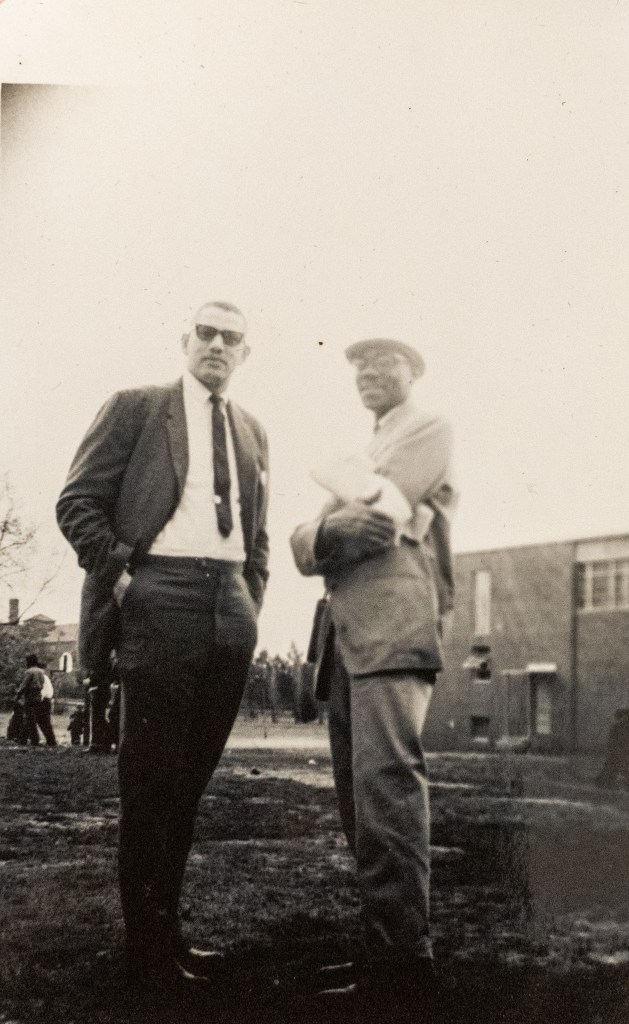
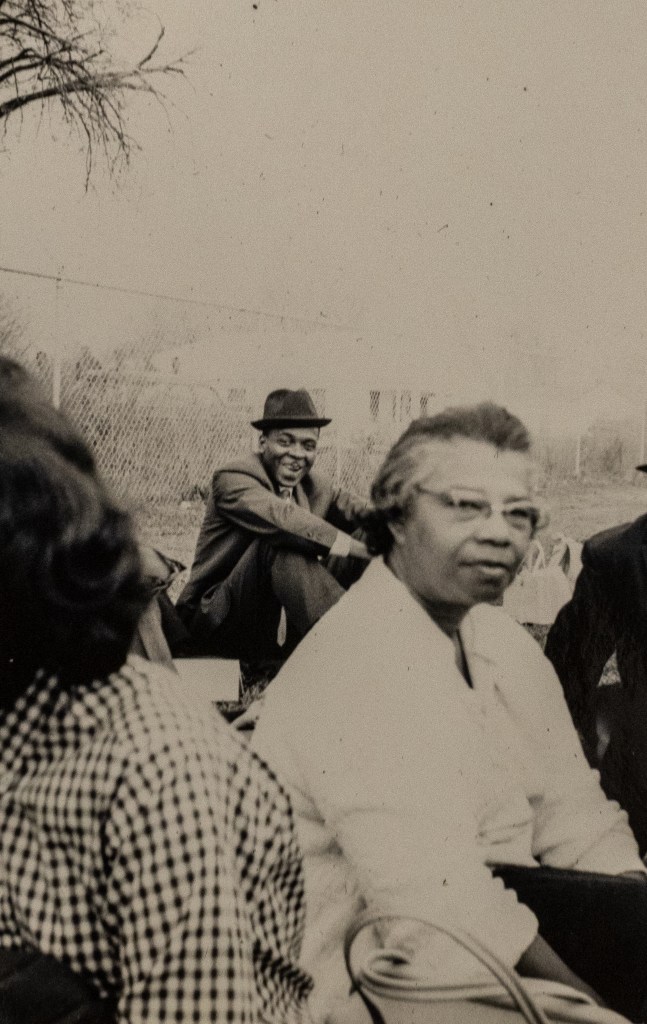
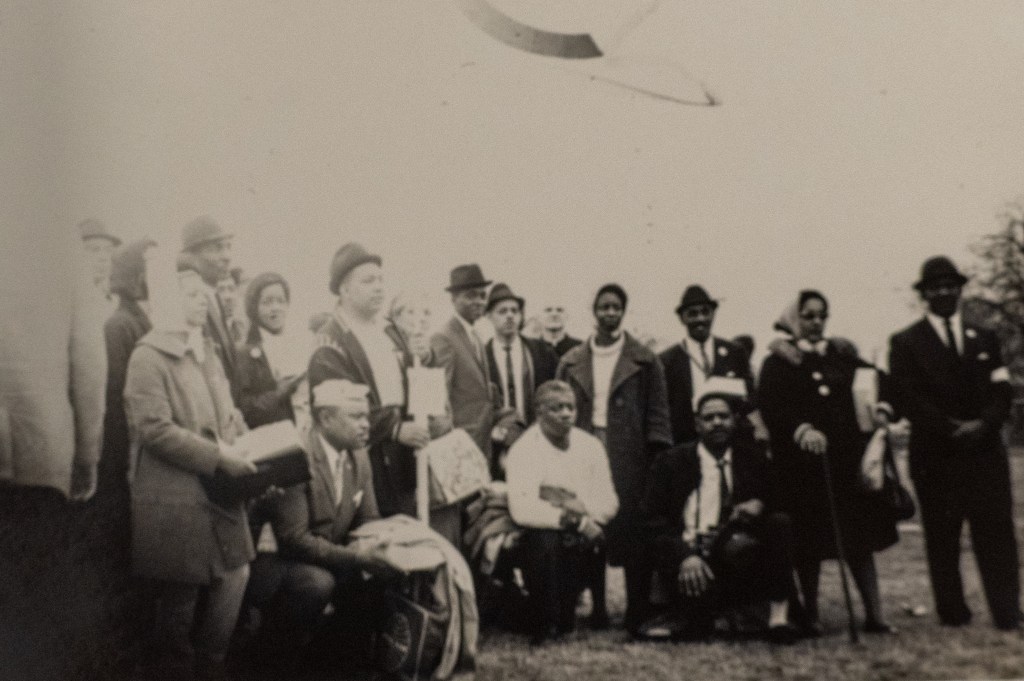
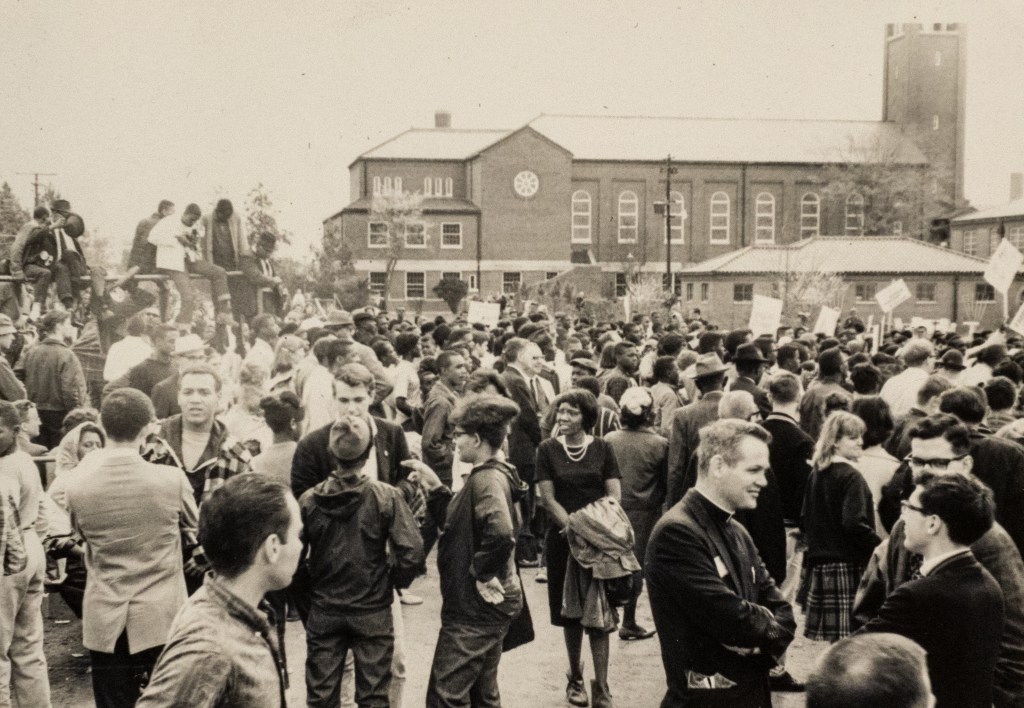
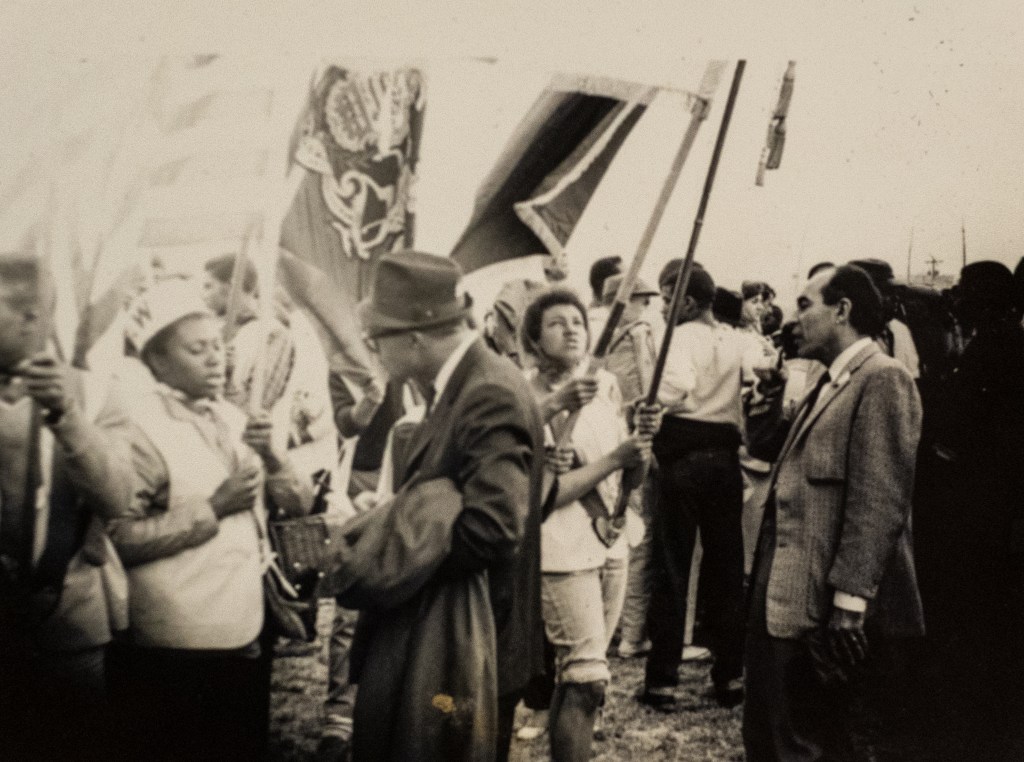
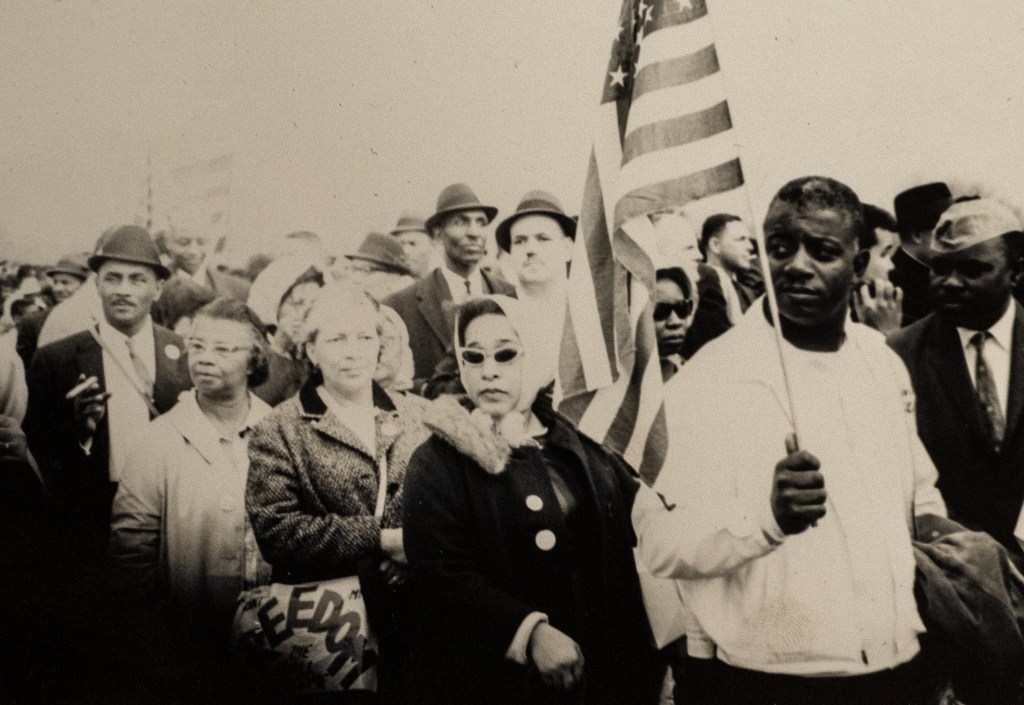
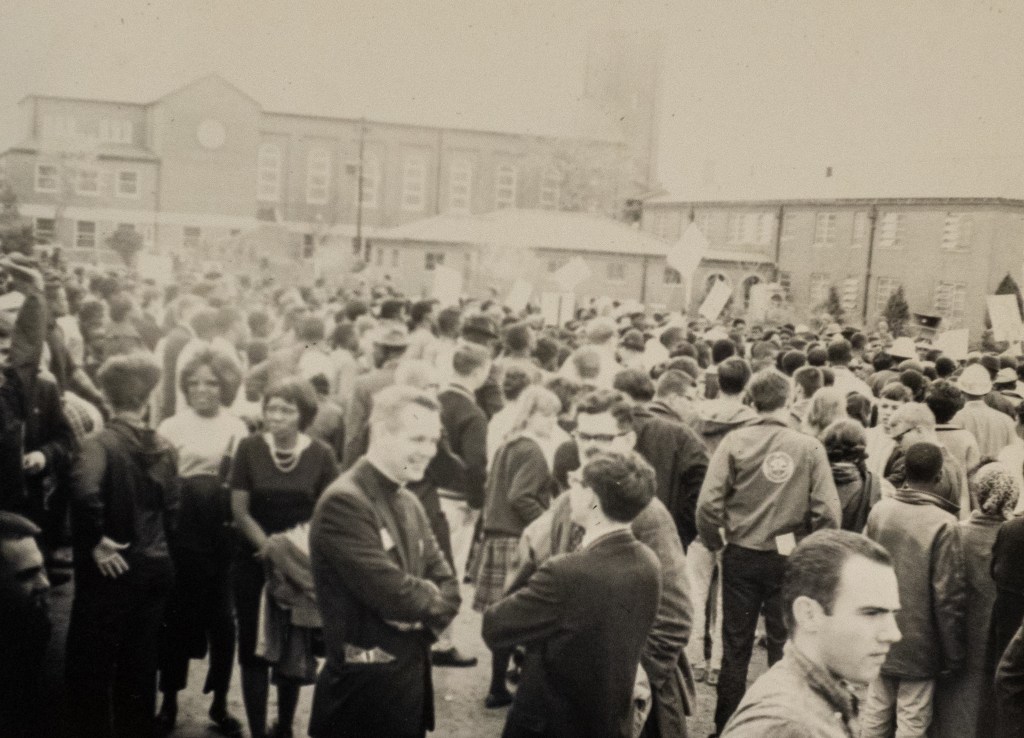
Scrapbook Photos from 1965
We need your help naming as many people in these photos as possible. Some of the photos were taken in Flint (you can see St. Agnes Parish in a couple), and others were taken in Alabama. Please reach out to Jared Field, Director of Communications, at jfield@geneseecountymi.gov if you can assist.



 1836 Place
Leave a comment